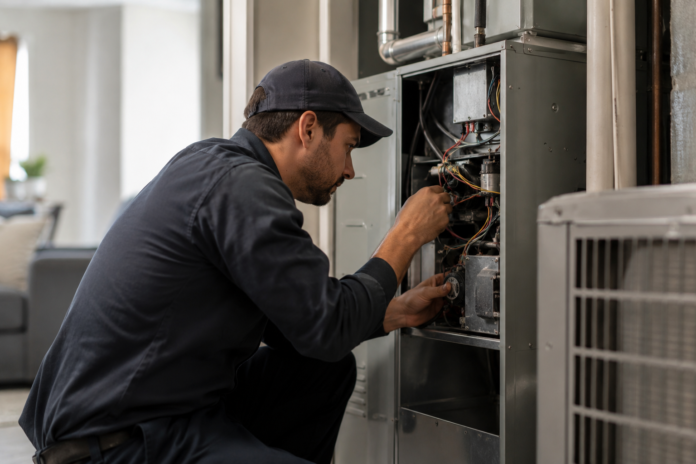

A comfortable indoor space makes it easier to relax at home and keep business activities running uninterrupted. However, it can feel frustrating when the HVAC system suddenly struggles, and the indoor temperature starts changing without any clear reason. What begins as a minor issue can quickly grow into a costly repair if the warning signs remain unnoticed.
Professional HVAC technicians can locate the real cause and restore reliable heating or cooling before conditions worsen. A timely repair also helps protect the system, improve efficiency, and reduce the chance of a complete breakdown. Here, we outline the key signs that show your home or business may need emergency HVAC repair as soon as possible.
The System Stops Without Warning
A sudden breakdown demands immediate attention, and residential and commercial HVAC services help restore safe indoor comfort without delays. Complete system failure can leave families without climate control and interrupt business operations that depend on comfortable indoor conditions. Quick professional inspection helps identify electrical faults, damaged components, or equipment failure. Fast action also protects valuable equipment, reduces inconvenience, and helps restore dependable heating or cooling with greater confidence.
Weak Airflow Creates Uneven Comfort
Weak airflow usually means conditioned air cannot reach every room with the strength required for consistent indoor comfort. Employees may notice uncomfortable work areas, and families may struggle with rooms that never reach the desired temperature. Restricted airflow can result from blocked ductwork, blower issues, clogged filters, or damaged internal components that require expert evaluation. Early repair improves air distribution, supports better efficiency, and helps every occupied space feel comfortable without unnecessary strain on equipment.
Loud Sounds Point to Internal Equipment Problems
Unusual noises rarely disappear without attention and usually indicate mechanical or electrical trouble inside the HVAC equipment. Banging sounds may suggest loose parts, buzzing can indicate electrical concerns, and rattling sometimes signals damaged internal components. Ignoring these warning signs increases the chance of larger repairs that affect comfort, productivity, and long-term equipment reliability. Professional diagnosis helps locate the exact source, replace worn parts, and restore quiet operation before additional damage develops.
Incorrect Indoor Temperatures Reduce Comfort and Productivity
An HVAC system should maintain stable indoor temperatures instead of producing warm air during cooling or insufficient heat during colder weather. Inconsistent temperatures can create frustration for homeowners and make commercial spaces uncomfortable for employees, visitors, or customers. Problems involving refrigerant levels, thermostats, compressors, or heating components may reduce overall system performance without obvious external damage. Prompt repairs restore dependable climate control, improve indoor air quality, and help occupants return to normal routines easily.
High Energy Bills Can Signal Hidden HVAC Trouble
Unexpected increases in utility costs sometimes indicate the HVAC system works harder than necessary to maintain indoor comfort. Worn components, restricted airflow, or malfunctioning controls can reduce efficiency. Higher energy use without noticeable comfort improvements usually deserves professional evaluation before operating expenses continue to increase. Timely repairs improve system performance, reduce wasted energy, and help property owners avoid larger repair expenses later.
Frequent Cycling Places Extra Stress on the System
An HVAC unit that repeatedly starts and stops may struggle with thermostat problems, electrical faults, or failing internal components. Constant cycling increases equipment wear, shortens service life, and places unnecessary pressure on important mechanical parts over time. A professional inspection helps identify the underlying cause before repeated cycling leads to more extensive system damage.
During the inspection, technicians commonly evaluate
- Thermostat operation and calibration.
- Electrical connections and control components.
- Air filter condition and airflow restrictions.
- Blower motor and fan performance.
- Refrigerant level and system pressure.
Unexpected HVAC problems rarely improve without attention, and early action can prevent larger repairs and unnecessary inconvenience. Timely residential and commercial HVAC services help restore dependable performance before minor concerns develop into expensive repairs. So, notice the signs early and arrange a professional inspection to help reduce long-term repair costs.