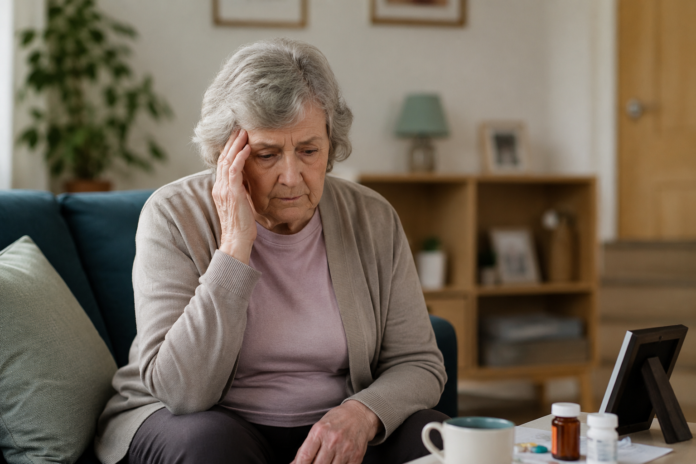

It is not always easy to tell when an older relative needs extra help, especially if they are determined to remain independent. Changes can happen gradually, and what initially seems like a small inconvenience may eventually become a sign that everyday life is getting harder to manage.
Knowing what to look out for can help you step in at the right time, without taking away your relative’s sense of control or independence.
Their Home Is Becoming Harder to Manage
One of the first signs may be a noticeable change in the home. Perhaps dishes are piling up, laundry is being left undone, or rooms that were once kept tidy are becoming cluttered. This does not necessarily mean something is seriously wrong, but it may suggest that household tasks are becoming physically tiring or difficult to keep on top of. Offering practical support with cleaning, shopping, or other chores can make a big difference.
They Are Struggling With Personal Care
Changes in personal hygiene or appearance can also indicate that someone needs more support. You might notice that your relative is wearing the same clothes repeatedly, bathing less often, or finding grooming more difficult.
Mobility problems, fatigue, or difficulty remembering routines can all contribute. These changes are worth approaching sensitively, as personal care can feel like a very private subject.
Meals Are Becoming Less Regular
Take a look at what is happening in the kitchen. Is there enough fresh food in the refrigerator? Are meals being prepared regularly, or does your relative seem to be relying heavily on snacks and convenience foods?
Cooking can become harder with age, particularly if someone has reduced mobility, low energy, or difficulty shopping for groceries. Unexplained weight loss can also be a reason to pay closer attention.
Medication Is Becoming Difficult to Keep Track Of
If your relative takes several medications, managing different doses and schedules can become complicated. Missed tablets, duplicate doses, or confusion about prescriptions may indicate that a little more assistance is needed. When you have concerns about how medication is being taken, speak with an appropriate healthcare professional as soon as you can.
They Seem More Isolated
Needing help at home is not always about practical tasks. Loneliness and social isolation can have a significant effect on an older person’s quality of life. Your relative may stop attending activities they previously enjoyed, make fewer phone calls, or appear less interested in seeing friends and family. Regular companionship and support can be just as valuable as help with household routines.
Everyday Safety Is Becoming a Concern
Falls, forgotten appliances, difficulty using stairs, or problems getting in and out of the bath can all suggest that the home environment needs attention. Sometimes, small adaptations are enough. In other situations, more regular support may be appropriate. Families exploring options might consider talking to a live in care agency about whether continuous support at home could help their relative stay safe while maintaining familiar routines.
Start the Conversation Early
You do not have to wait for a crisis before discussing additional support. In fact, talking about it early can give your relative more opportunity to express what they want and what kind of help they would feel comfortable accepting. The aim should not be to take over. It is to find ways of making everyday life safer, easier, and more enjoyable while helping your relative maintain as much independence as possible.