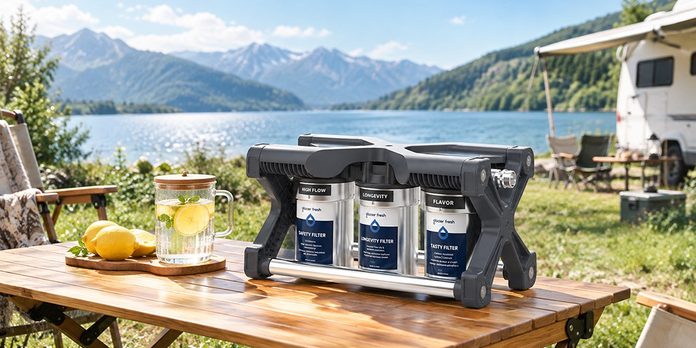

Traveling in a recreational vehicle (RV) provides the freedom to explore new destinations, enjoy outdoor adventures, and experience the comfort of home while on the road. However, maintaining access to fresh-tasting drinking water can sometimes be challenging. Water quality may vary between campgrounds, public water connections, and freshwater filling stations, affecting its taste and odor. An RV drinking water filter system can help address these concerns by reducing certain unwanted substances and making drinking water more enjoyable throughout your journey.
Whether you travel occasionally or live in your RV full-time, choosing a reliable filtration solution can improve your daily routine. Understanding how filtration works, what features to consider, and how to maintain your equipment will help you make an informed decision.
Why Drinking Water Taste and Odor Matter in an RV
Water is essential for drinking, cooking, preparing beverages, and maintaining personal hygiene during an RV trip. Although many campground water supplies are treated, their taste and odor can differ depending on the source, treatment methods, and distribution system. Chlorine, sediment, and certain naturally occurring substances may contribute to noticeable changes in water quality.
Unpleasant-tasting water can make drinking less enjoyable and affect the flavor of coffee, tea, and meals. For travelers who frequently visit different locations, these changes can become a recurring inconvenience.
A suitable rv water filter provides an additional treatment step that can improve water taste and reduce specific unwanted substances. The results depend on the filtration technology used and the contaminants the product is designed to address. Choosing a system with clearly documented performance can help you find a solution that meets your drinking water needs.
How an RV Drinking Water Filter System Works
An RV drinking water filter system treats water as it passes through specialized filter media. Different technologies target different water-quality concerns, making it important to understand the purpose of each filtration stage.
Sediment filters capture suspended particles such as sand, dirt, and rust. These particles may enter the water supply through plumbing connections or distribution pipes. Removing them can improve water clarity and reduce the amount of sediment entering your RV’s plumbing system.
Activated carbon filtration is commonly used to improve taste and odor. Carbon can reduce chlorine and certain organic compounds that contribute to unpleasant flavors. Some advanced systems combine multiple filter cartridges to address several water-quality concerns within one setup.
However, filtration capabilities vary by product. Standard sediment and carbon filters do not necessarily remove bacteria, viruses, or every chemical contaminant. Reviewing the manufacturer’s specifications and applicable certifications is essential when choosing a system for drinking water.
Choosing the Right RV Water Filtration System
Selecting the right rv water filtration system depends on your travel habits, water usage, available installation space, and desired filtration performance. A suitable system should provide the required treatment without making your RV’s water setup complicated.
Consider Your Filtration Needs
If your main concern is chlorine taste and odor, a compatible activated carbon filter may be sufficient. Travelers who regularly encounter sediment or want additional contaminant reduction may prefer a multi-stage filtration system. Before purchasing, identify the water-quality concerns you want to address and compare products based on their verified capabilities.
Check Water Flow and Compatibility
Water flow is an important consideration for RV owners. A filter that significantly restricts flow can make filling drinking bottles, washing dishes, and using other water outlets inconvenient. Look for a system that provides an appropriate flow rate while operating within your RV’s recommended water pressure.
Check the connection sizes, installation requirements, and available space before choosing a product. Inline systems can be convenient for external hose connections, while under-sink or canister systems may suit travelers who prefer a more permanent installation.
Review Filter Replacement Requirements
Filter cartridges need replacement according to the manufacturer’s recommendations. Their service life depends on the model, incoming water quality, and the amount of water processed. Comparing replacement costs and cartridge availability can help you select a practical system for long-term use.
Benefits of Better-Tasting Drinking Water
One of the main advantages of a suitable filtration system is improved drinking water taste. Reducing chlorine and certain odor-causing compounds can make water more enjoyable throughout the day. Better-tasting water can also improve the flavor of coffee, tea, soups, and other beverages prepared inside your RV.
Another benefit is convenience. Having filtered water readily available may reduce the need to purchase and store bottled water when the original source is suitable for the selected filter. This can save storage space and help reduce plastic waste during extended trips.
A properly selected filter may also capture sediment before it reaches faucets and other compatible plumbing components. However, filtration does not replace regular plumbing maintenance, freshwater tank cleaning, or sanitization.
Maintaining Your RV Drinking Water Filter
Regular maintenance helps ensure consistent filtration performance. Follow the manufacturer’s instructions for replacing cartridges, cleaning housings, and storing equipment between trips. Inspect hoses, fittings, and seals for leaks before connecting to a water supply.
Use hoses specifically designed for potable water, and sanitize your RV’s freshwater tank and plumbing according to the vehicle manufacturer’s guidelines. During freezing weather, protect or disconnect the filtration equipment as instructed to avoid damage.
If a water source is suspected of contamination, do not rely on taste or odor alone to determine its safety. Use an appropriate treatment method designed for the identified hazard, because many harmful contaminants cannot be detected through smell or appearance.
Conclusion
An RV drinking water filter system can make life on the road more comfortable by helping improve water taste and reduce unpleasant odors. Whether you choose a simple carbon filter or a more advanced multi-stage solution, the best option depends on your water source, filtration requirements, and travel lifestyle.
Investing in a dependable RV water filter and maintaining it properly can provide convenient access to better-tasting water during your adventures. By evaluating product performance, checking replacement requirements, and following safe water practices, you can enjoy a more pleasant drinking water experience wherever your travels take you.