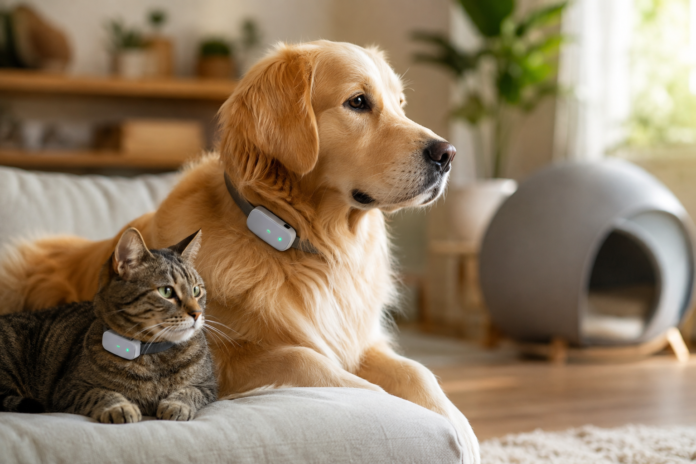

Pets rarely tell us when something feels off. A slightly slower morning, a shorter walk, a few extra hours of sleep, and the change slips past us until it becomes a bigger problem. That quiet gap between what our animals feel and what we notice is where most preventable issues start. A modern pet health monitor closes that gap by translating everyday signals — activity, rest, breathing patterns, temperature trends — into information you can actually use. The benefit is not futuristic dashboards or clinical jargon. It is calmer mornings, better-informed vet visits, fewer late-night worries, and a stronger connection with the animal who shares your home. This guide focuses on the tangible, day-to-day payoff of using a health monitor and how it changes the small routines that shape long, comfortable lives for our pets.
The Everyday Difference a Health Monitor Makes
The first benefit most owners notice is subtle but powerful: reassurance. Before a monitor, you rely on memory and mood readings. After a monitor, you have a soft, running record of how your pet actually behaves. That means you no longer wonder if your dog is truly resting well or if your cat’s appetite really is slipping. You have a steady baseline, and when something drifts, you catch it early. A well-designed pet health monitor gives you information without demanding constant attention, so you can enjoy your pet instead of watching them like a hawk.
Early detection is where the tangible value adds up. Many chronic issues in pets — joint stiffness, respiratory changes, dental discomfort, kidney concerns — announce themselves through small behavioral shifts long before a clinical sign appears. A monitor gives you the receipts. When your senior dog’s total daily movement drops by even a modest amount over two weeks, you see the trend rather than blaming a rainy weekend. When your indoor cat’s rest becomes fragmented at night, you know to check in rather than dismiss it as a phase. Catching change early usually means simpler treatment, lower costs, and less discomfort for your companion.
Better Conversations With Your Veterinarian
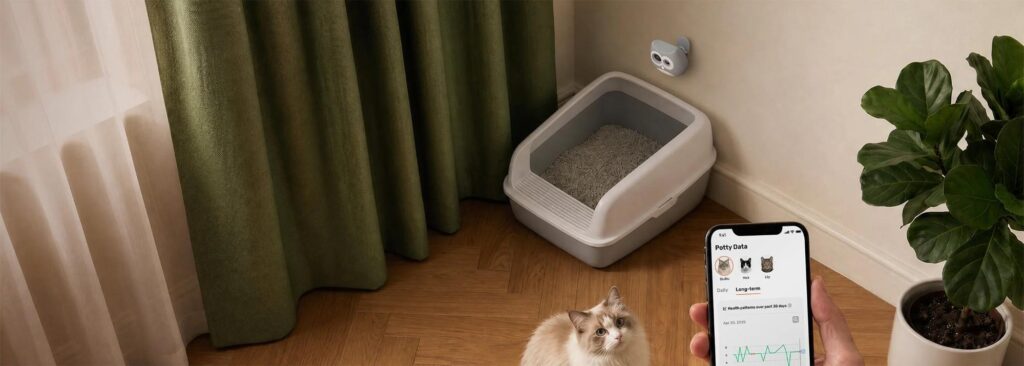
Vet visits often feel rushed, and both owner and animal are stressed. You forget details, your pet acts differently in the exam room, and the doctor is left piecing together clues from a short window. A health monitor changes that dynamic. Instead of trying to recall whether your dog slept restlessly last Tuesday or the Tuesday before, you can share real trends. Weight patterns, activity dips, sleep quality, resting heart rate ranges — these turn a five-minute intake into a data-informed conversation. Veterinarians can move faster from question to plan, and you leave the clinic with more clarity and fewer “let’s wait and see” moments.
This is especially valuable during recovery. Post-surgery periods, medication trials, and weight management plans all benefit from measurable feedback. If a new anti-inflammatory should improve your dog’s mobility, a monitor shows you whether daily movement actually goes up. If a prescription diet is working, you see the resting rhythms normalize. Instead of guessing, you and your vet adjust based on evidence. That reduces trial-and-error and helps your pet feel better sooner.
Simpler Routines and Smarter Habits at Home
Owners often describe the biggest lifestyle benefit as gentle guidance. A health monitor nudges you toward healthier routines without turning care into a chore. If your dog’s activity has been low for several days, the data quietly reminds you that a longer walk or a play session might be overdue. If your cat’s sleep has been unusually deep, you might notice and offer more enrichment. Small course corrections, made consistently, compound into a healthier animal.
The same is true for weight and feeding. Most pet obesity creeps in unnoticed because a few extra grams a week look invisible in the moment. A steady record of activity paired with weight trends makes drift obvious before it becomes serious. You adjust portions with confidence rather than second-guessing. You reward with play instead of extra treats. Over months, these tiny decisions add years of comfort. That is the real benefit of a monitor at home: it is not just watching your pet, it is helping you become a slightly better caretaker every single week.

Comfort for Multi-Pet and Busy Households
Households with more than one pet or busy work schedules feel the benefit even more strongly. When you have two dogs, a cat, and a family that comes and goes, it is nearly impossible to keep an accurate mental model of who did what today. Which one refused breakfast? Whose nap seemed off? Who scratched at their ear? A monitor answers those questions without argument. Everyone in the household can see the same picture, so care decisions become collaborative rather than dependent on whoever was home the most.
For pet parents who travel, work long shifts, or rely on sitters, a monitor becomes a bridge of trust. You do not need constant video check-ins to feel connected — you can glance at your pet’s day and know things are steady. Sitters get clearer instructions, and any unusual signals show up before a small issue becomes an emergency. The peace of mind is not abstract; it is the quiet relief of opening an app on your lunch break and seeing that everyone at home is doing fine.
How to Choose a Monitor That Fits Real Life
The best monitor is the one you will actually use, and that means comfort and simplicity matter as much as sensor specs. Look for a device your pet accepts easily, whether that is a lightweight collar attachment, a smart feeder, or an ambient home sensor. Battery life should suit your lifestyle so charging never becomes a hassle. The app should present information in plain language, not walls of graphs. Alerts should be meaningful rather than constant, because a monitor that cries wolf gets ignored.
Also consider ecosystem quality. Brands that focus on smart pet devices, like SiiPet, tend to think holistically about how monitoring fits with feeding, hydration, and daily routines. That integration matters because health is not one data point — it is the pattern across sleep, meals, movement, and mood. When the pieces speak to each other, insights become obvious and action becomes easy. When they do not, you end up juggling apps and missing the story.
Making the Benefits Stick
To get the full value out of a monitor, treat the first two weeks as a learning window. Let your pet adjust to any wearable, and let yourself get used to the baseline data. Do not react to every wiggle in the numbers. Instead, look for sustained changes over three to seven days. Pair the data with your own observations — coat condition, breath, gum color, mood — because a monitor supports your instincts, it does not replace them. Share readings with your veterinarian at annual check-ups so professional judgment shapes how you interpret trends.
Finally, celebrate the wins. If your dog’s activity climbs after a new walking routine, notice it. If your senior cat’s rest quality improves after a joint supplement, take the win. A monitor is not just a health tool; it is a feedback loop that reminds you your care is working. That positive reinforcement keeps you engaged, and engagement is what turns a device into meaningful, lasting benefit for your pet.
Calmer Days, Healthier Years Ahead
The point of monitoring is not to obsess over data. It is to spend less time worrying and more time enjoying the animals who make our homes feel like home. When you can see how your pet slept, moved, and rested, you make small decisions with confidence instead of guesswork. You catch quiet changes early, arrive at the vet prepared, and turn everyday habits into long-term wellness. That is the real benefit — not a screen full of stats, but a steadier, closer, more relaxed partnership with your pet. With the right tools quietly working in the background, the rest of your time together gets to be exactly what it should be: warm, present, and free of unnecessary worry.