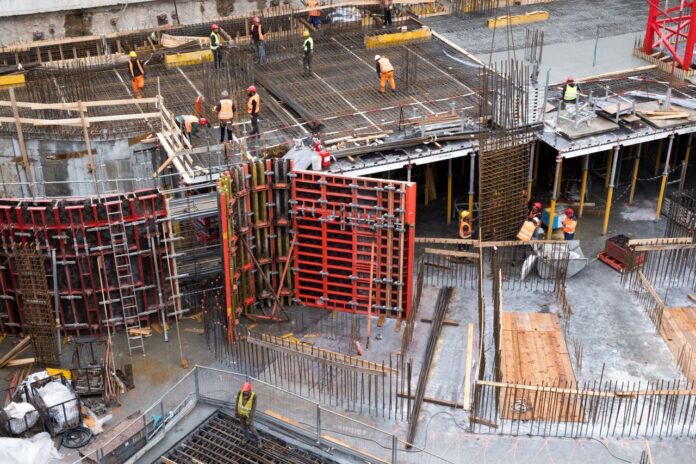

Manufacturing manipulation has changed dramatically over the last few decades. Successful projects no longer depend on guesswork, intuition, or handmade planning techniques at all. Today, predictive and payment-enabled resource intelligence can push managers upward and take into account challenges that allocate resources more accurately.
One place where this technique mainly proves valuable is clothing forecasting. Accurate planning, supported by tree removal costs, allows facility managers to anticipate tree demand earlier, reduce waste, and minimize costly procurement errors.
Predictive auxiliary intelligence combines historical activity records, employee characteristics, material usage statistics, and scheduling statistics. Instead of responding to shortages or delays, leaders could make knowledgeable choices in advance that way.
Key Advantages of Predictive Treatment Intelligence
- Better allocation of effort and resources
- Reduced Event Latency
- Improved tracking of price checks
- Enhanced organizational communication
- Reduce clothing waste
- One of the strongest projects is the prediction accuracy of Traditional Planning.
- Predictive Treatment Intelligence
- Respondent Selection
- Active Decision Making
- Manual Monitoring
- Data-Driven Forecasting
- Good waste greatness
- Optimized significant useful source utilization
- Time changes
- Improved scheduling accuracy
- Limited visibility
- Real-Time Task Introduction
Why Production Managers Want More Predictability
Manufacturing companies have many issues that can be encountered. Labor prices, clothing distribution, climate, mobile phone coverage, and monetary constraints can also affect the impact.
Managers who rely on predictive insights and benefit from a clear picture of the future help with aspirations. This visibility may require them to identify capacity bottlenecks before they can develop.
For example, a task that requires a lot of Lumber Takeoff services agreements can be expected months in advance. Managers can quickly stabilize suppliers, keep them out of market fluctuations, and maintain a steady workflow.
This improves predictive analytics as well as collaboration. Field managers, estimators, procurement agencies, and stakeholders can draw from a set of reliable projections. As the given responsibilities become larger and more complex, predictability evolves from a huge blessing to a significant efficiency manipulation.n
Data-Driven Decision Making for Resource Optimization
The identification office produces a large amount of documents every day. Equipment logs, attendance records, purchase reviews, drawing programs, and pricing documents are valuable information that can make up a future options manual. Organizations that take a keen interest in this will reap great benefits. Many companies use time-digitized services to turn industrial stock estimates into reliable rates and help with predictive safety. Rather than calculating assumptions, decision makers can look for measurable improvements.
- Important Data Sources
- Historical Business Costs
- Working Facts
- Material Intake Report
- Overall Vendor Performance Metrics
- Fees for use of the machine
- Site Development Updates
The following insights help manufacturing managers ask clean and meaningful questions:
Read More: Dimensional 2×6 Lumber Sizes Applied in Building and Remodeling of Home
Predictive analytics and workforce planning
The labor shortage keeps the manufacturing sector a global challenge. The demand for skilled employees remains high, making workforce planning more necessary than ever.
Predictive analytics makes it easier for companies to recognize the need for diligence before starting projects. By using construction estimating services and previous mission data, managers can assess as much as possible the needs of the work crew and schedule employees accordingly.
This technique reduces understaffing and overstaffing.
Labor Benefits
- The Workforce Challenge
- predictive solutions
- Labor shortages
- Rapid recruitment schedule
- Scheduling Conflicts
- Resource Balance
- Fluctuations in Productivity
- Performance Prediction
- Overtime Costs
- Optimized Workforce Allocation
- Skill Gap
- Practice Preparation
When effort sources are aligned with mission requirements, productivity naturally improves. Teams enjoy fewer interruptions, cut-off days appear as higher capacity, and regularly interrupt the nest.
The Role of Technology in Predictive Manufacturing Management
Digital transformation is transforming the control of creation. Modern software platforms now integrate scheduling, estimating, purchasing, and reporting capabilities into integrated systems.
Artificial intelligence, system expertise, and cloud-based platforms provide deeper visibility into challenging operations. This technology identifies images that people may forget.
Construction managers can demonstrate:
- Trends in resource consumption
- budget performance
- Use of Equipment.
- labor productivity
- reliable provider
The result is more responsive and knowledgeable management practices.
Technology does not update management expertise. Instead, it complements decision-making by helping to provide clearer facts and stronger predictive capabilities.
Building Competitive Advantage Through Resource Intelligence
Construction companies operate in highly competitive markets. Margins can be tight, and small mistakes often have significant financial consequences. Predictive resource intelligence helps organizations create sustainable advantages through smarter planning and execution. A reliable Construction Estimating company can contribute valuable forecasting support by identifying resource requirements, analyzing project costs, and improving budgeting accuracy.
Companies that leverage predictive intelligence frequently achieve:
- Higher project profitability
- Improved client satisfaction
- Better schedule performance
- Reduced resource waste
- Stronger risk management
These benefits extend beyond individual projects. Over time, organizations develop a culture of informed decision-making that supports long-term growth.
Future Trends Shaping Construction Resource Management
The future of construction leadership will depend increasingly on predictive technologies and intelligent resource planning.
Several trends are already influencing the industry:
Emerging Developments
- AI-powered forecasting systems
- Real-time project monitoring
- Digital twins for project simulation
- Advanced workforce analytics
- Automated procurement planning
- Integrated project data platforms
These innovations will enable construction teams to respond faster to changing conditions while maintaining control over costs and schedules. Future leaders will need both technical understanding and strategic thinking. Those who can combine data insights with practical field experience will be positioned for lasting success. The ability to anticipate challenges rather than react to them will become one of the industry’s most valuable leadership skills.
Read More: 10-facts-about-purple-heart-wood-characteristics/
Final Thoughts
Predictive resource intelligence is transforming the way construction leaders plan, manage, and execute projects. Instead of relying solely on experience or historical assumptions, organizations can now use data-driven insights to improve decision-making across every stage of construction. From workforce planning and material forecasting to budgeting and risk management, predictive intelligence creates opportunities for greater efficiency and stronger project outcomes. It helps teams stay ahead of challenges, optimize resources, and maintain consistent performance in increasingly complex environments. As technology continues to evolve, construction leadership will become more proactive, informed, and strategic. Companies that embrace predictive resource intelligence today will be better prepared to meet tomorrow’s demands while delivering projects more effectively and profitably.
Frequently Asked Questions
What is predictive resource intelligence in construction?
Predictive resource intelligence is the use of historical data, forecasting tools, and analytical technologies to anticipate future resource requirements. It helps construction leaders improve planning, reduce waste, and make more informed decisions.
How does predictive intelligence improve project performance?
Predictive intelligence identifies potential risks and resource shortages before they affect project schedules. This proactive approach improves efficiency, reduces delays, and supports better budget control.
Why is workforce forecasting important in construction?
Workforce forecasting helps managers estimate labor needs accurately. Proper planning ensures the right number of skilled workers are available when required, reducing productivity issues and overtime costs.
What technologies support predictive construction management?
Common technologies include artificial intelligence, machine learning, cloud-based management systems, advanced analytics platforms, digital twins, and integrated project management software that provide real-time operational insights.
READ ALSO: What Makes Coastal Home Construction Unique