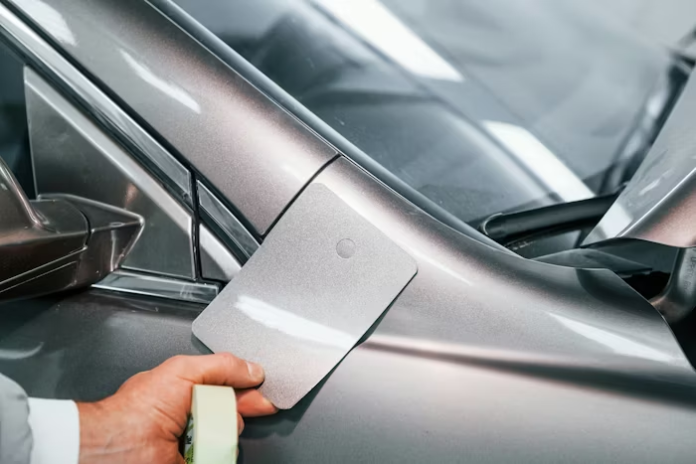

In the automobile sector, Paint Protection Film (PPF) has transitioned from an industry novelty to a standard surface solution for manufacturers, detailers, and fleet managers. PPF protects vehicle exteriors from scratches and chips and UV damage. This surface solution helps sustain brand image, operational efficiency, and investment in assets.
For B2B companies, including automotive OEMs and aftermarket service providers, understanding the CoPPF’s value and fit within PPF’s large-scale operations and the customer value chain is critical for competitive advantage.
Among top innovators, FlexiPPF is a benchmark brand for high-performance protective films with a focus on precision, durability, and sustainability. Visit https://www.flexippf.com/ar/automotive-films/paint-protection-films/ to learn how advanced paint protection films are changing the industry and browse professionally crafted protection solutions with long-term durability.
The Role of PPF in the Modern Automotive Industry
PPF was originally designed for military and aviation applications, but now it is an industry standard in automotive manufacturing and detailing. PPF is a transparent shield that is applied to the painted surface of a vehicle and provides an invisible, durable layer that protects against physical and environmental damage.
In P2P Cases, the use of PPF has great operational and financial advantages:
- Lessening upkeep expenses: Decreases the cost of repainting and repair refinishing.
- Increasing asset worth: Aids in retaining the finishes of new, and maintains the resale value of used vehicles.
- Improving productivity: Less detailing time is required than repainting.
- Fostering brand uniformity: Keeps vehicles in fleets and showroom displays looking brand new and polished.
For automotive companies, PPF is more than just surface protection—it’s about adding value through efficiency, effective, and durable protection.
The Science of PPF
The composition of the material and the engineering of the layers is the reason PPF has the best quality on the market. PPF is more than just plastic wrap; it’s a nanostructure with complex durable systems.
The 3 Critical Construction Layers of PPF
- Topcoat Layer: “
This is made of a thermoplastic polyurethane (TPU) or polyurethane with very high elasticity. This material is scratch and pollutant resistant. Additionally, it has a self-healing characteristic where minor scratches disappear via an increase in heat.
- Base Film:
This layer provides the PPF with structure, integrity, and clarity, and is the primary protector of the paint on your car. This layer does not interfere or diminish the vehicle’s gloss and color.
- Adhesive Layer:
This layer contains a PSA (Pressure Sensitive Adhesive) that allows the film to bond with the vehicle’s surface but allows the film to be repositioned while it’s being applied—this is key when having to deal with large vehicles and projects.
Release Liner:
Keeps the adhesive sheltered prior to use to ensure a dust-free and seamless operational process.
Functional Advantages
- Optical Clarity: Preserves the vehicle’s paint color and the finish.
- UV & Chemical Resistance: Stops the risk of light damage, fading, and oxidation as well as staining.
- Hydrophobic Properties: Make cleaning easy as dirt and water are repelled.
- Elasticity & Self Healing: Micro-scratches repair immediately due to heat.
- Long-Term Adhesion: Able to endure extreme weather and will not yellow or peel.
FlexiPPF incorporates nanotechnology and other innovative polymers to manufacture films that offer unmatched optical transparency alongside top industrial grade durability.
Why PPF Matters For B2B Operations
B2B organizations that own vehicle assets or offer vehicle detailing paint protection film is an operationally sound investment. benefits operational consistency, customer satisfaction and targets sustainability objectives.
For Automotive OEMs And Manufacturers
The PPF is added in the production line of automotive OEMs or is offered as a premium upsell. This reductions paint related damage warranty claims and protects the paint damage warranty claim risk.### For Dealerships and Car Rental Companies
PPF improves profit retention and customer retention. Rental and fleet businesses implement PPF to increase asset longevity and keep aesthetics intact on their vehicles throughout their frequent usage.
For Fleet Management Providers
With commercial fleets, there is an expectation for seamless branding and longevity. PPF added to vehicles ensures consistent appearance, lower upkeep, and reduced downtimes due to repainting or panel damages.
For Distributors and Installers
Distributors of the films and skillful installers benefit from uniform, high-quality, standardized components, bulk shipments, instructional materials, and predictable quality of installations.
For Industrial Equipment and Specialty Vehicles
In addition to automobiles, PPF covers construction, agricultural, and marine equipment, protecting them from corrosion and fading due to extreme weather.
Business and Environmental Benefits of PPF
At the organizational level, implementing PPF solutions offers numerous quantifiable advantages in addition to protecting the vehicles.
Cost Efficiency
PPF results in lower repainting costs and downtime for fleets and dealerships. Rather than undergoing a paint restoration process, surface wear on a panel can be addressed by film replacement, mitigating costs and disruption.
Sustainability and Waste Reduction
The traditional repainting of surfaces creates waste in the form of solvents and VOCs. With PPF there is no need for chemical coatings, allowing for the environmental compliance and sustainability goals in the B2B supply chain.
Scalability and Standardization
Standardization of performance is required in global B2B operations. The use of homogeneous PPF systems, such as those offered by FlexiPPF, allows for uniformity in results in different countries and different service hubs.
Enhanced Resale and Asset Value
The PPF protection of vehicles allows for the preservation of their original factory finish. This is beneficial for the residual profit and the overall profit during the duration of the lease and company fleet business.
Brand Image and Quality Assurance
PPF`s long-lasting gloss and clean surfaces maintains the unblemished reputation of leading manufacturers and service providers while also displaying their vehicles in compliance with their corporate professionalism.
The Future of Paint Protection Film Technology
To keep up with the evolving technology in vehicle design, PPF shall continue improving on the innovation of their materials, production, and integration of smart technology as vehicle design technology and standards in sustainability continue evolving.
Self-Healing and Regenerative Coatings
The next generation of PPF is integrated with thermally activated self-healing polymers that allow for the repair of deeper scratches with very little heat and will ensure a longer product life.
Nano-Ceramic Hybrid Films
PF films integrated with ceramic coatings are known as hybrid systems which provide superior hardness, improved hydrophobic performance and a high resistance to UV degradation.
Pre-Cutting Systems for Digital Installation
Professional installers now use digital pattern databases to pre-cut PPF for all vehicle models. This automation substantially lowers waste, installation time, and minimizes human error, which will be B2B scalable.
Sustainable Manufacturing
The PPF sector is adopting the use of solvent-free adhesives, recyclable film structures, and minimal energy production. Brands like FlexiPPF are helping lead this shift to ensure eco-responsibility and sustain high quality.
Compatibility with Future Intelligent Mobility
Future paint protection systems should use sensor-friendly materials that do not block the radars or LiDAR systems integrated into autonomous vehicles. This is especially important for OEM partners and sophisticated fleets.
Summary
Paint Protection Film (PPF) is a game changer for the automotive world, altering how professionals manage the surface care, branding, and lifecycle performance of a vehicle. For B2B companies in this sector, it offers unprecedented efficiency, sustainability, and protection of an asset over time.
FlexiPPF is an industry pioneer that continues to lead the way in polymer science, nanotechnology, and eco-minded manufacturing. Its products are not just physical barriers but critical enablers for businesses that demand reliability and excellent branding.