
Key Takeaways
- Active leaks, burst pipes, sewage backups, and water near electricity require fast action.
- Slow drains, dripping faucets, and running toilets can often be scheduled for repair, but should not be ignored.
- Your first goal is to control water and protect people, not to diagnose or complete a complex repair.
- Every adult in the home should know where the fixture shutoffs and main water valve are located.
- Even minor leaks can waste substantial water and raise utility costs over time.
Plumbing problems rarely arrive at a convenient time, but not every drip or drain issue requires an immediate call. Knowing the difference between an emergency and a routine repair can help you protect your home, avoid unsafe situations, and make calmer decisions when something goes wrong.
For homeowners dealing with leaks, backups, fixture failures, or changes in water pressure, a qualified plumbing repair company in Layton, Utah can assess the cause and recommend the appropriate repair. Until help arrives, the priority is to stop water when safe, limit damage, and avoid taking risks with gas or electricity.
Why Plumbing Problems Can Escalate Quickly
Water can travel behind walls, beneath flooring, and inside cabinets long before visible damage appears. A faucet drip may be inconvenient, but a loose washing machine supply hose or cracked pipe can release a large amount of water in minutes. Left overnight, that water may damage drywall, flooring, insulation, furniture, and personal belongings.
Early action often keeps a manageable repair from becoming a restoration project. Treat unexplained water, rapidly spreading moisture, staining, or changes in pressure as warning signs that warrant prompt investigation.
What Usually Counts As A Plumbing Emergency?
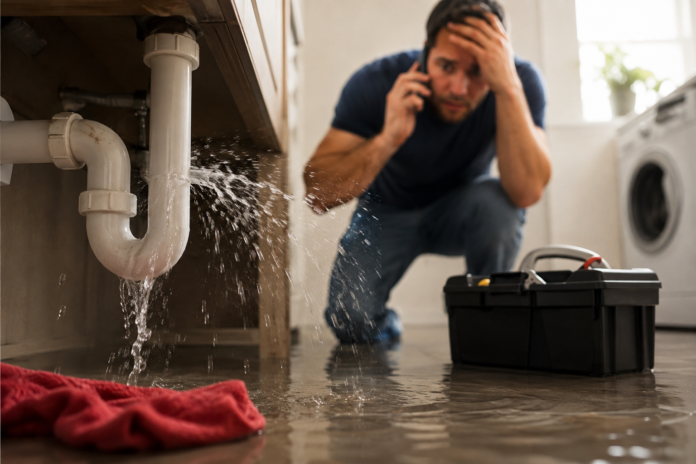
A plumbing emergency creates an immediate risk to property, household health, or essential water service. Call for urgent professional help when you notice any of the following:
- A burst pipe or a pipe that is actively spraying water.
- Water coming through a ceiling, wall, or floor.
- Sewage is backing up into a toilet, tub, shower, or floor drain.
- An overflowing toilet that will not stop after the shutoff is closed.
- A water heater is leaking heavily onto the floor.
- Water pooling near outlets, appliances, electrical panels, or wiring.
- A sudden loss of water throughout the entire home.
- A gas odor near a gas water heater or other gas appliance.
Problems That Can Often Wait For A Scheduled Repair
Waiting for a scheduled appointment does not mean ignoring the problem. It means the issue appears contained, poses no immediate safety risk, and can be monitored until service is arranged. Common examples include a slow bathroom sink, a faucet that drips without cabinet damage, a toilet that continues to run after flushing, low pressure at one fixture, mineral buildup on a showerhead, or a garbage disposal that hums but does not leak.
The First 10 Minutes Of A Plumbing Emergency
- Stop the water. Close the fixture shutoff valve if it is easy to reach. If the source cannot be isolated, close the main water shutoff.
- Avoid electrical hazards. Do not walk through standing water near outlets, appliances, cords, or electrical equipment.
- Stop using water during a backup. Do not flush toilets, run sinks, shower, or start laundry if sewage is coming up through drains.
- Protect belongings. Move electronics, rugs, boxes, and furniture away from wet areas if safe to do so.
- Document the damage. Take a few photos and note when the issue started, which fixtures are affected, and any unusual sounds or odors.
How To Find And Test The Main Water Shutoff
The main shutoff is commonly near the water meter, where the water line enters the home, in a garage, basement, utility room, or exterior meter box. A wheel-style gate valve typically closes by turning clockwise, while a lever-style ball valve usually closes when the handle is perpendicular to the pipe.
Do not force a corroded, stuck, or leaking valve. Instead, have it inspected and replaced if necessary. Label the valve, keep the area accessible, and show household members how to use it before an emergency happens.
Safety Rules For Water Heaters, Gas, And Electricity
If you smell gas, leave the home immediately and contact the gas utility or emergency services from a safe location. Do not operate switches, light matches, or attempt to inspect the appliance yourself. Water near electrical equipment also poses a serious shock hazard; do not open electrical panels, remove appliance covers, or handle submerged equipment.
For a leaking water heater, close its water supply only if the valve is safely accessible. When the source of water is unclear, it is better to step back and seek professional guidance than to take unnecessary risks.
Repair Or Replacement: Questions That Help Guide The Choice
The right solution depends on the cause of the problem, the equipment’s age and condition, and its repair history. Ask whether the failure involves a replaceable part, whether the same issue has happened repeatedly, and whether corrosion, cracking, or unreliable performance points to a larger concern. Replacement may make more sense when a repair would only delay another failure or when newer equipment improves safety and long-term reliability.
Warning Signs That A Small Leak Is Not Really Small
Musty odors, soft drywall, bubbling paint, recurring stains, rusted connections, or damp cabinets can indicate hidden moisture. A water meter that moves when no fixtures are running is another useful clue. The EPA recommends checking the meter before and after a two-hour period with no water use, and using food coloring in a toilet tank to identify silent leaks through simple household leak checks that can reveal water waste before it becomes visible damage.
Simple Prevention Steps For The Rest Of 2026
- Inspect supply lines under sinks and behind toilets for moisture or corrosion.
- Check washing machine hoses, dishwasher connections, and refrigerator water lines.
- Test toilets for silent leaks and promptly repair dripping fixtures.
- Watch for unexpected changes in water pressure or water bills.
- Protect exposed pipes before freezing weather arrives.
- Keep the main shutoff valve clear, labeled, and easy to reach.
Homeowners can also use leak detection and flow monitoring tips to consider alerts or devices that identify unusual water use early, especially when the home is vacant or the source of a leak may be difficult to see.
Questions To Ask Before A Plumbing Visit
Be ready to explain what changed, whether water is still flowing, whether multiple fixtures are affected, and whether there is sewage, gas, or electrical danger. It also helps to share the age of the fixture or water heater, whether the issue has happened before, and which temporary steps you have already taken. Clear details can help a plumber arrive prepared and focus on the most likely cause.
Conclusion
You do not need to solve every plumbing issue alone. Recognize immediate danger, stop the water when it is safe, and schedule repairs before minor issues grow into costly damage. A working shutoff valve, routine inspections, and a simple emergency plan can make plumbing problems far easier to control in 2026.