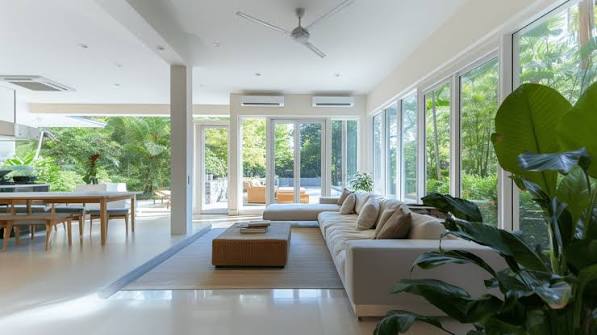

A home does not have to undergo a dramatic renovation to feel brighter, fresher, and more comfortable. Sometimes the biggest difference comes from improving the openings that connect indoor spaces to the outdoors. Windows, doors, and screens all influence how much daylight enters, how easily fresh air circulates, and how well indoor temperatures remain comfortable throughout the year.
For homeowners who enjoy opening an entryway when the weather cooperates, features such as vanishing screens for front door use can make that simple pleasure more practical. Fresh air can move through the home while insects are kept outside, and the screen can remain discreet when it is no longer needed. When combined with thoughtful window and door upgrades, small functional improvements can noticeably change how a home feels from day to day.
Let Fresh Air Work Smarter
Natural ventilation is one of the simplest ways to make a home feel less closed in. Opening windows on opposite sides of a room or house can encourage cross-ventilation, helping stale indoor air move out while fresher outdoor air enters.
The goal, however, is not simply to leave every window and door open. Good ventilation depends on weather, outdoor temperatures, humidity, and the layout of the house. During pleasant conditions, strategically opening a few well-positioned windows may create better airflow than opening everything at once.
Doorways can also become valuable ventilation points. A screen allows an exterior door to remain open without creating an easy path for flies, mosquitoes, leaves, and other unwanted visitors. Retractable designs have an additional advantage because they can move out of sight when the homeowner wants a completely open view or a cleaner-looking entrance.
Invite Daylight In Without Inviting the Heat
Natural light can transform the atmosphere of a room. Bright spaces often feel larger and more welcoming, while good daylight can reduce the need to switch on artificial lighting during parts of the day.
Still, more sunlight is not always better. Large amounts of direct solar exposure can increase indoor heat, particularly through older or inefficient windows. That can leave certain rooms noticeably warmer than others and force cooling equipment to work harder.
Modern window upgrades can help homeowners find a better balance. The size, orientation, glass characteristics, frame condition, and installation quality can all affect how a window performs. Homeowners should think about both appearance and function, considering where they want brighter interiors and where controlling unwanted heat may matter more.
Screens can play a role here as well. Different mesh densities allow different amounts of air, light, and solar exposure through an opening. A more open mesh may favor airflow and visibility, while a tighter option may provide more shade or privacy. Choosing based on the room’s actual needs generally produces a better result than assuming the same screen should be used everywhere.
Make Windows and Doors Work as a Team
A beautiful new window or door can still underperform if the opening around it is not properly prepared and sealed. Fit matters because small gaps can allow conditioned indoor air to escape and outdoor air to enter, making rooms harder to keep comfortable.
Doors deserve just as much attention as windows. An aging entry door may become difficult to close correctly, develop gaps around the frame, or simply stop matching the performance expected from the rest of the house. Patio and exterior doors also influence how naturally people move between indoor and outdoor areas, so operation and layout should be considered alongside insulation and appearance.
It often makes sense to look at these elements as one connected system rather than several unrelated projects. A homeowner might improve an inefficient window, replace a poorly fitting exterior door, and then add screening that makes it easier to ventilate the space when conditions are pleasant. For those considering professional help, planning an upgrade with ecoview window and doors of rhode island can provide a way to think carefully about fit, installation, and the performance of major exterior openings. The best result is one where the individual improvements support each other.
Look Beyond the Product on Installation Day
Product specifications receive plenty of attention during home improvement planning, but installation quality can be equally important. Even a well-made window or door may struggle to deliver its intended benefits if measurements are inaccurate or the surrounding opening is not properly sealed.
Before choosing an upgrade, homeowners should inspect the existing area carefully. Signs such as drafts, moisture around frames, sticking components, deteriorated seals, or obvious gaps may reveal problems that need to be addressed during installation rather than covered up.
Screens also benefit from accurate fitting. A retractable system needs to operate smoothly within the available opening, and doors need enough clearance for normal household traffic. Families with pets or young children may also want to consider latching, screen-retention, and durability features when comparing options.
Thinking through these details beforehand can prevent a visually attractive upgrade from becoming an everyday frustration later.
Build a Home That Adapts With the Seasons
One of the most useful qualities a home can have is flexibility. During mild weather, homeowners may want windows and doors open to capture a breeze. On very hot or cold days, those same openings need to close tightly and help maintain comfortable indoor conditions.
That flexibility is why airflow, daylight, and energy efficiency should not be treated as competing goals. Good planning makes it possible to enjoy all three at different times. Efficient windows can help limit unwanted temperature transfer when closed, while operable windows, well-designed doors, and screens provide opportunities for natural ventilation when outdoor conditions are favorable.
The most successful upgrades are often the ones homeowners barely notice after a while. Rooms simply feel brighter. Fresh air is easier to enjoy. Doors operate properly. Views remain open, and indoor temperatures feel more consistent.
Rather than chasing one dramatic improvement, homeowners can look at how windows, doors, screens, sunlight, and airflow interact throughout the entire house. Improving those connections can create a space that feels more open when desired, more protected when necessary, and more comfortable every day in between.