
Key Takeaways
- Michigan winter weather adds practical challenges for drivers required to use a Breath Alcohol Ignition Interlock Device, commonly called a BAIID.
- Cold, snow, road salt, moisture, and battery trouble can affect a vehicle and complicate daily device use.
- Every warning, lockout, or unusual device message should be taken seriously, documented, and reported promptly.
- Extra time, routine vehicle maintenance, and careful testing habits can reduce avoidable winter stress.
- License restrictions and program rules can differ by case, so drivers should confirm requirements with the appropriate authority.
Michigan winters demand preparation from every driver, but a person using a BAIID has additional steps to manage before, during, and after each trip. For practical Ignition Interlock Michigan guidance, Smart Start Michigan provides information about BAIID installation, service, and monitoring for drivers throughout the state, including Detroit, Grand Rapids, Lansing, and surrounding communities. Because the company specializes in ignition interlock and electronic monitoring programs, its guidance can help drivers prepare for required service appointments and routine device use. Winter conditions do not excuse missed tests, ignored warnings, or unauthorized changes to equipment. A simple plan that accounts for weather, vehicle reliability, and program responsibilities can make daily driving safer and more predictable.
Why Michigan Winters Create Extra Driving Challenges
Lake-effect snow, freezing rain, black ice, high winds, and reduced visibility can turn an ordinary drive into a long trip. Detroit-area drivers may face congested freeway traffic and slush, while Grand Rapids and western Michigan can experience lake-effect snow. Lansing and Ann Arbor often deal with icy side streets and changing temperatures, while Northern Michigan drivers may encounter deeper snow, rural roads, and longer distances between services.
For a restricted driver, weather delays can affect work, treatment, school, court appearances, and scheduled BAIID service. The device is only one part of safe winter travel. Tire condition, battery strength, working lights, clear windows, fuel level, and cautious driving still matter every time the vehicle leaves the driveway.
How A BAIID Fits Into Michigan Driving Rules
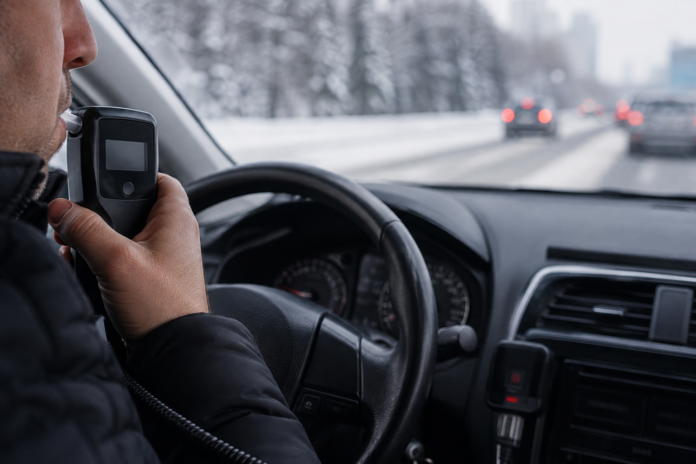
A BAIID is an alcohol-measuring device connected to a vehicle’s starting system. Before starting the vehicle, the driver provides a breath sample. The device may also request rolling retests during a trip. Under the legal definition of an ignition interlock device, the system uses a deep-lung breath sample and prevents the vehicle from starting at a specified alcohol level. Exact rules may depend on a conviction, license status, a hearing decision, a court order, or a sobriety court program. A device does not expand the terms of a restricted license. Drivers should confirm where, when, and in which approved vehicle they may drive.
Winter Problems That Can Affect Daily Use
Cold Temperatures
Extreme cold can strain a vehicle’s battery, starter, dashboard display, and electrical connections. A warning may involve the device, the vehicle, or both. Do not assume that every problem is caused by alcohol use or user error. Record what occurred and contact the provider for instructions.
Snow, Ice, And Road Salt
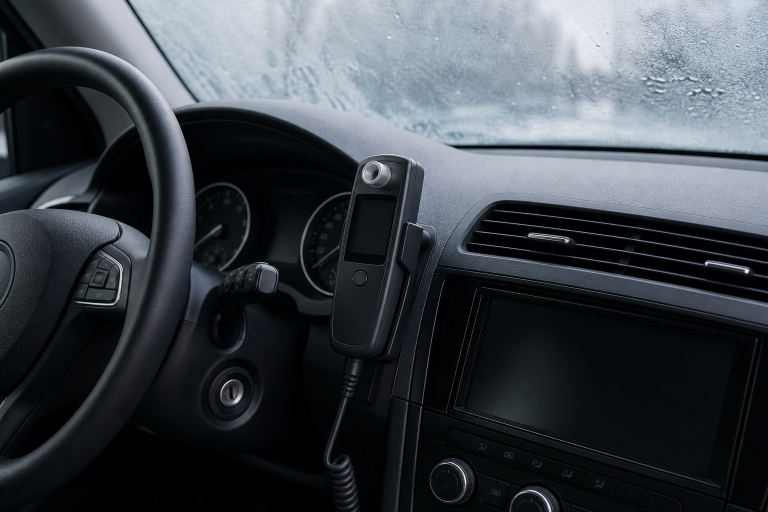
Wet boots, melted snow, spilled drinks, and road salt can create moisture and debris concerns inside and outside a vehicle. Keep the passenger area reasonably dry, avoid placing wet items near the handset, and do not attempt to inspect, disconnect, or repair protected wiring yourself.
Dead Batteries And Emergency Starts
Carry jumper cables, a portable jump starter, or roadside-assistance contact information during severe weather. Before replacing a battery, modifying wiring, or arranging an emergency start, contact the installer or monitoring authority when required. Unauthorized changes can create serious compliance questions.
Five Steps For Safer Winter BAIID Use
- Check the vehicle before leaving. Clear snow from the roof, windows, lights, mirrors, cameras, and license plate.
- Warm up safely. Follow local rules and never leave a running vehicle unattended in an unsafe setting.
- Keep the device dry. Protect the handset from moisture, snow, and beverage spills.
- Leave extra time. Snow, slow traffic, and safe test stops can make a short drive much longer.
- Respond carefully to prompts. If a rolling retest occurs, pull over safely when needed and follow the instructions without rushing.
How To Reduce False Alerts And Confusion
Avoid providing a breath sample immediately after using alcohol-based mouthwash, breath spray, cough products, or similar items. If a product may affect the reading, rinse with water and wait as directed by the provider before testing. Never try to bypass, disconnect, cover, or tamper with the device. Keep receipts, calibration records, warning messages, repair orders, and appointment details together. A later clean retest may be important, but it does not automatically remove an earlier event from the monitoring record. Good documentation gives the provider or authority a clearer picture of what happened.
What To Do After A Device Warning
- Move to a safe location when possible.
- Read the display and follow the device instructions.
- Write down the date, time, temperature, road conditions, and events before the warning.
- Photograph visible moisture, damage, battery issues, or dashboard alerts.
- Contact the device provider, court contact, or monitoring authority promptly.
- Save all service and repair documentation.
Planning Winter Trips Around Michigan
Check the forecast before leaving for work, treatment, school, court, or a service visit. Build a backup plan for road closures and heavy snow, keep a reasonable amount of fuel in the tank, and carry a charged phone, a charger, a flashlight, a blanket, water, and basic first-aid supplies. When conditions are unsafe, use an approved transportation option rather than taking unnecessary risks.
Why Compliance Is More Than A Legal Task
Consistent device use can support safer decisions and dependable routines, but an interlock is only one part of a broader process that may include treatment, testing, supervision, and license restrictions. Earlier Michigan program research found stronger sobriety court outcomes among comparable participants ordered to use interlocks, reinforcing the value of following the full program plan.
Common Questions From Michigan Drivers
Can Cold Weather Cause A BAIID Problem?
Cold may contribute to battery, starting, display, or electrical problems. Report every issue and allow the provider or authority to determine the cause.
Can A Driver Use Any Vehicle?
No. Vehicle permissions depend on individual restrictions and program rules. Confirm which vehicle must have an approved device before driving.
What If A Snowstorm Prevents A Service Visit?
Contact the service location as soon as possible, document weather conditions, and ask the monitoring authority which steps apply.
Who Can Answer Case-Specific Questions?
The Michigan Secretary of State, a court or sobriety court contact, and a qualified Michigan attorney can address case-specific legal requirements.
Conclusion
Michigan winter driving requires patience, preparation, and consistent attention to changing road conditions. For BAIID users, that preparation also includes carefully completing required testing, maintaining accurate records, reporting problems promptly, and keeping the vehicle in reliable working condition. Snow, ice, freezing temperatures, and road salt can create additional challenges, so drivers should allow extra time and avoid rushing through required procedures before starting a trip. Keeping important compliance documents organized can also make it easier to respond to questions or address issues when they arise. A practical winter plan can reduce confusion, support consistent compliance, and help keep each trip focused on safety, lawful driving, responsible vehicle care, and steady progress through the season.