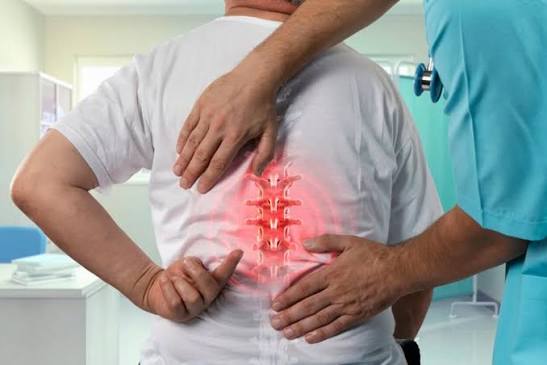

Lower back pain can turn everyday activities into challenges. Sitting through a workday, getting out of bed, exercising, or spending time with family may become difficult when discomfort keeps returning. Many people try stretching, massage, chiropractic care, or physical therapy, only to find that the relief does not always last.
Exploring non-surgical treatment for lower back pain can help people understand different recovery approaches and develop a more consistent plan for improving movement and physical function.
Why Does Lower Back Pain Keep Coming Back?
It can be frustrating to deal with back pain that will not go away, especially when several treatments offer only temporary relief. It is possible people have only been looking for ways to ease the pain rather than thinking about the other factors which affect their movement, strength and how they spend their day.
The recovery philosophy focuses on more than just one exercise or treatment for recurring back pain. A structured approach takes into account how the body moves, how a person’s daily habits affect their overall health, and how consistently a person follows their recovery plan. The best approach depends on the individual’s symptoms and underlying condition.
Understanding Non-Surgical Treatment for Lower Back Pain
Non-surgical care gives attention to the approaches that aren’t involved with an operation. Depending on the cause of the pain, treatment may include guided exercise, movement education, mobility work, strengthening, and changes in the way the person moves through their daily routines. A healthcare provider with training can help you decide which options will work for you.
1. Improve Movement and Mobility
In a structured program to recover from back pain, movement is vital. Mobility, stability and strength exercises can help individuals work toward improved physical function. But not all exercises are suitable for all conditions, so the type of exercise should be chosen depending on individual needs and limitations.
Structural performance focuses on movement patterns, stability, and rebuilding strength. It includes guided movements such as walking form, squats, and mobility exercises. The goal is to provide an organized framework for choosing exercises rather than selecting movements at random without understanding their purpose.
2. Consider Daily Health Habits
Recovery is about more than just getting back up and moving around. Daily routines, such as nutrition, hydration, and other daily routines, can affect overall health and the ability to follow a routine. Focusing on these areas could support individuals in creating a more holistic strategy for their health.
The Fixed method addresses these topics in the internal dimension of performance. The educational content includes hydration, nutrition, protein, fats and gut health. These topics supplement the movement content of lessons, not replace individual medical care.
3. Build Consistency Into Your Routine
A variety of exercises performed over a few days can be confusing about what works and doesn’t. A treatment program outlines the steps involved in recovery, helping individuals stay on track and patient.
The third element of the Fixed approach is mental performance. It’s about habits, mindset, focus and time management. These zones can be used to coordinate the order in which activities are carried out and to keep participants focused on the task, even when things seem to be moving slowly.
Choosing a Suitable Recovery Approach
Before beginning any non-surgical treatment for lower back pain program, consider your symptoms, physical limitations, and health history. Consult a qualified healthcare professional before starting a new exercise or wellness routine, particularly if you have an existing injury or medical condition. A structured approach that combines movement, daily health habits, and mental performance may help you develop a more consistent recovery routine.
Disclaimer: This article is for general informational and educational purposes only. It does not provide medical advice, diagnosis, or treatment. Back pain causes and recovery needs vary between individuals. Consult a qualified healthcare professional before starting an exercise or wellness program, particularly if you have an existing injury, medical condition, or persistent pain.