
Walk into a kava bar in Austin or Fort Lauderdale and the menu will list three plants that sound like they belong together. They don’t. Kava is a pepper root from the South Pacific. Kratom is a leaf from a Southeast Asian tree in the coffee family. Kanna is a succulent that grows in the dry parts of South Africa. Three continents, three plant families, three very different traditions, and they ended up on the same chalkboard because American wellness retail tends to group anything unfamiliar under “botanicals.”
That grouping causes confusion. People search “kava vs kratom” more than 4,000 times a month in the US, and most of the results are written by treatment centers rather than anyone who has looked at the plants themselves. This guide covers what each one is, where it comes from, how it’s traditionally prepared, and what’s worth checking before you buy any of them.
Kava vs kratom vs kanna at a glance
| Kava | Kratom | Kanna | |
| Botanical name | Piper methysticum | Mitragyna speciosa | Sceletium tortuosum |
| Plant family | Pepper (Piperaceae) | Coffee (Rubiaceae) | Ice plant (Aizoaceae) |
| Native region | Fiji, Vanuatu, Tonga, Samoa | Indonesia, Thailand, Malaysia | Western and Northern Cape, South Africa |
| Part used | Root | Leaf | Whole above-ground plant |
| Traditional preparation | Ground root steeped in water | Fresh leaf chewed, or dried leaf brewed as tea | Fermented, then dried and chewed |
| Common US formats | Bar drinks, capsules, instant powders | Powder, capsules, tablets, extract shots | Extract capsules, chews, sprays |
| US federal status | Unrestricted | Legal; restricted in some states | Unrestricted |
The table settles the “are these related” question. What it doesn’t show is how differently each plant is handled between harvest and shelf, which matters more than the botany once you’re the one buying it.
What is kava?
Kava is the root of Piper methysticum, a shrub in the same family as black pepper. It grows across the South Pacific, and Fiji, Vanuatu, and Tonga still produce most of what reaches the US. The plant has been cultivated so long that it no longer produces viable seed; every kava plant alive today was grown from a cutting.
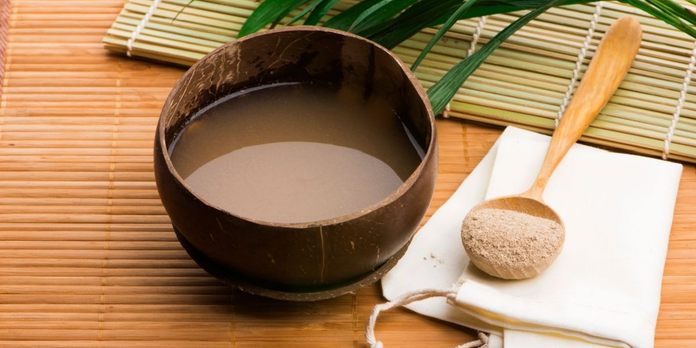
Traditional preparation hasn’t changed much. The root is dried, ground, wrapped in cloth, and kneaded in cold water until the liquid turns the color of muddy coffee. That’s the drink served in kava bars, which have spread from Florida to Colorado over the past fifteen years. The National Center for Complementary and Integrative Health keeps a plain summary of what’s known about the plant, including its long ceremonial history in Pacific Island cultures.
One detail worth knowing: kava quality depends heavily on which part of the root is used. Lateral roots are the traditional choice. Stems and leaves are not, and cheaper products sometimes include them.
What is kratom?
Kratom is the leaf of Mitragyna speciosa, a tree that reaches 80 feet in the wet lowlands of Indonesia, Thailand, and Malaysia. It belongs to Rubiaceae, the coffee family, which surprises most people the first time they hear it. Kew’s Plants of the World Online lists the species alongside coffee and gardenia.
Where kava is a root, kratom is entirely a leaf product. In Southeast Asia the fresh leaf was chewed or brewed into tea. In the US it’s sold dried and milled into powder, pressed into tablets, filled into capsules, or concentrated into extract shots.
The color labels you’ll see on kratom packaging, red, green, and white, don’t refer to three different plants. They describe when the leaf was picked and how it was dried. Leaves harvested later and dried in sunlight darken toward red; leaves dried indoors stay a brighter green. Because the leaf’s alkaloid content shifts with maturity, drying, and even the season, two bags with the same label can test quite differently. That variability is the single biggest reason batch testing matters more for kratom than for the other two plants here.
What is kanna?
Kanna is the odd one out. Sceletium tortuosum is a low, creeping succulent from South Africa’s Western and Northern Cape, and it’s a member of the ice plant family rather than anything you’d recognize from a spice rack or a coffee shop. The Khoisan people have used it for centuries, and the traditional method involves crushing the whole plant, sealing it in a container to ferment for about a week, then drying it to chew. A review in the Journal of Ethnopharmacology covers both the history and the chemistry of that fermentation step. (I’ll swap in the exact article URL at the final pass.)
Most kanna sold in the US is a standardized extract in capsules, chews, or mouth sprays. It’s the least familiar of the three and the one most often mislabeled, so the product checks in the next section apply to it as much as to kratom.
Legal status in the United States
Kava and kanna are both unrestricted at the federal level and in every state. Kratom is federally legal but not uniform: a handful of states prohibit it outright, several more set age minimums or labeling rules, and a few cities have their own ordinances. Tennessee changed its rules again this spring, which is a good reminder that the map shifts. Before ordering kratom online, check your current state law rather than relying on a vendor’s shipping page. (For the published version I’ll cite a neutral legal source here rather than any trade association tracker.)
What to check before buying any of these botanicals
The bigger risk with all three plants isn’t the botany. It’s the supply chain. Kava root, kratom leaf, and kanna are all imported, and a lot of what ends up in shops has been repackaged by a reseller who never tested it.
Four things separate a reputable seller from a repackager. The product should be labeled as a dietary product with an ingredient panel, not stamped “not for human consumption” to dodge FDA labeling requirements. The seller should publish third-party lab results, and for kratom specifically those results should be tied to the batch in your hand, not a single certificate from two years ago. The better vendors that let you buy kratom online now print a QR code on each bag that opens the lab report for that exact batch, covering heavy metals, microbial contaminants, and alkaloid content. Manufacturing should happen in a registered US facility rather than overseas, since domestic production is easier to hold accountable. And the reviews should be real, dated, and specific, the kind that mention a strain or a batch rather than five stars and nothing else.
Kanna deserves the same scrutiny. Fewer sellers test it, which is exactly why you should ask.
None of these plants is new. Kava ceremonies predate written Pacific history, Khoisan communities were fermenting kanna long before European contact, and kratom tea was a field worker’s habit in Thailand for generations. What’s new is the shelf they share and the number of companies rushing to fill it. The ones worth buying from will be the ones that can show you a lab report without being asked.