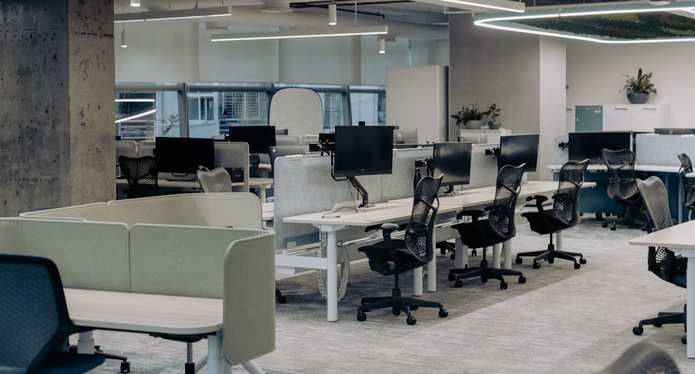

A poorly arranged office can quietly reduce concentration, slow routine tasks and leave employees feeling drained before the afternoon begins. The problem often comes from several small irritations instead of one obvious flaw. Visual clutter, stale air, uncomfortable furniture and inconsistent cleaning all compete for attention. Research into the connection between work environment and productivity shows why the physical setting deserves the same consideration as software, schedules and management practices. A closer look at everyday working conditions can reveal practical improvements that help your team stay focused.
Subtle Clutter Drains Focus
Clutter includes more than overflowing trash cans. Unclaimed packages, tangled cables, stacks of outdated paperwork and crowded shared tables create visual noise. Employees also lose time when supplies move constantly or no one knows where equipment belongs. Assign a permanent location for common items and clear shared surfaces at the end of each day.
Cleaning responsibilities should also be clear. If employees regularly wipe kitchens, empty bins or restock washrooms, these interruptions can pull them away from their primary work. A practical commercial cleaning plan can help managers establish consistent schedules and maintain cleaner shared spaces. Facility managers who need scheduled surface cleaning, waste removal and floor care can compare commercial cleaning companies and request a plan based on building traffic and working hours. Defined service expectations keep routine upkeep from becoming an informal team chore.
Air Quality and Physical Comfort
A room can look spotless while still feeling unpleasant. Stuffy meeting spaces, strong odors and uneven temperatures often cause discomfort that employees struggle to ignore. Check air vents for obstructions, replace filters according to the building system’s schedule and avoid placing large cabinets where they restrict airflow.
Physical comfort deserves similar attention. Monitor height, glare and seating position can affect how someone feels after several hours at a desk. Give employees a simple way to report recurring problems, then look for patterns. Three complaints about headaches in the same conference room may point to lighting or ventilation instead of individual preferences. Adjustable chairs, monitor stands and blinds are relatively modest purchases, yet they can reduce avoidable strain and make workstations easier to use throughout the day.
Trusting Routine Sanitation
Employees notice when cleaning is unpredictable. A washroom that runs out of soap or a kitchen counter that stays sticky can undermine confidence in the whole workplace. Set a written schedule for high-traffic areas and name the person responsible for checking completed work. The schedule might cover daily trash removal, weekly floor care and regular attention to door handles, shared appliances and other frequently touched surfaces.
Keep sanitation standards visible without turning the office into a wall of checklists. A dated log inside a supply cabinet or a digital facilities record gives managers enough oversight. Provide an easy reporting channel for spills and low supplies too. Prompt reports allow the facilities team to solve isolated problems before employees begin assuming that poor conditions are normal.
Quick Fixes for Better Morale
Some improvements can happen without a renovation or large budget. Start with the places employees use most often. Clear one overcrowded storage area, move a printer away from focused workstations and replace flickering bulbs. Small changes feel credible when they solve a problem the team encounters every day.
Office design also affects communication and mood. Practical guidance on a positive office environment highlights factors such as natural light, useful break spaces and thoughtful layouts. Ask employees which two physical issues cause the most frustration, then publish what will be addressed and when.
A simple monthly walk-through can keep those gains from fading. Visit workstations, meeting rooms and shared kitchens during normal hours, when noise and traffic patterns are visible. The office should support the work taking place inside it, and a loose cable, blocked vent or neglected counter often provides the clearest place to begin.