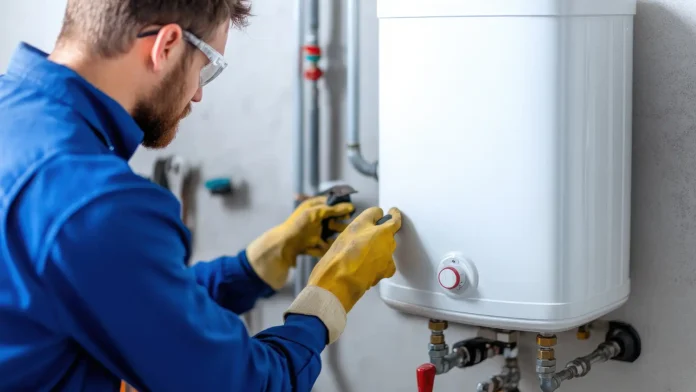

Hot water that runs out too quickly can interrupt showers, laundry, dishwashing, and daily cleaning. At first, the problem may seem like a normal household issue, but it can also indicate a water heater that is not heating, storing, or delivering water properly. A tank may have sediment inside, a broken dip tube, weak heating parts, incorrect temperature settings, or plumbing issues that mix cold water into the hot line. Water heater repair helps identify the root cause so the home can return to a steadier, more dependable hot water supply.
Why Hot Water Fades
- Finding the Source of the Short Supply
Water heater repair begins by checking whether the unit is truly running out of hot water or whether cold water is entering the system too soon. A technician may ask when the problem happens, how long the hot water lasts, how many fixtures are used at once, and whether the issue started suddenly or slowly over time. This helps separate normal high demand from a mechanical or plumbing problem. Water heater repair in Dothan can help homeowners identify whether the problem comes from the tank, thermostat, heating element, burner, dip tube, sediment buildup, or fixture mixing issue. This first step matters because simply raising the temperature may not solve the cause and can create safety concerns. A careful inspection provides a clearer path to repair, helping the system heat water properly rather than leaving the household guessing after every short shower.
- Removing Sediment That Reduces Tank Capacity
Sediment buildup is one common reason hot water runs out faster than expected. Minerals from the water supply can settle at the bottom of the tank over time, creating a layer between the heating source and the water. In a gas unit, sediment can make the burner work harder to heat the water above it. In an electric unit, buildup may cover lower heating elements and reduce performance. Sediment also occupies space in the tank, leaving less room for usable hot water. Water heater repair may include flushing the tank, checking the condition of the drain valve, listening for popping or rumbling sounds, and looking for signs of heavy mineral accumulation. If buildup has been ignored for too long, other parts may also need attention. Removing sediment helps the tank hold and heat water more efficiently, giving the home a longer supply during normal use.
- Repairing Heating Parts and Temperature Controls
A water heater may run out of hot water quickly when the heating parts are weak or not responding correctly. Electric models often depend on upper and lower heating elements. If one element fails, the tank may only heat part of the water, causing the supply to fade quickly. Gas models rely on burners, pilot systems, gas valves, and temperature controls to heat the tank. If the burner is dirty, the pilot is unstable, or the control is not reading properly, the water may never reach the needed temperature. Water heater repair can include testing thermostats, checking electrical continuity, inspecting burners, confirming the power or gas supply, and ensuring the unit cycles correctly. Temperature settings are also reviewed, as a setting that is too low may make the tank appear smaller than it is. Correcting these issues helps the unit recover better after hot water is used.
- Checking the Dip Tube and Plumbing Connections
A damaged dip tube can make hot water disappear surprisingly fast. The dip tube directs incoming cold water to the bottom of the tank, where it is heated before rising to the top. When the tube breaks, cracks, or falls apart, cold water may enter near the top and mix with hot water too quickly. This can cause lukewarm water at fixtures even when the heater is only partially full of hot water. Water heater repair can include checking for dip tube failure, uneven outlet temperatures, plastic fragments in aerators, or sudden changes in hot water delivery. Plumbing connections are also important. A faulty mixing valve, a cross-connection, or a single-handle fixture problem can allow cold water to mix with the hot side. By checking both the water heater and the nearby plumbing, the repair can address the root cause of the temperature drop rather than treating only the tank.
Restoring Steady Hot Water for the Home
Water heater repair helps fix hot water that runs out too quickly by finding what is limiting the supply. The issue may come from sediment buildup, weak heating parts, poor temperature control, a broken dip tube, or cold water mixing into the hot line. A careful inspection can restore better heating, improve tank performance, and reduce daily frustration. Repair also helps protect the unit from extra strain, especially when it has been working harder than needed. When hot water fades too soon, early service can prevent small problems from becoming larger replacement issues.