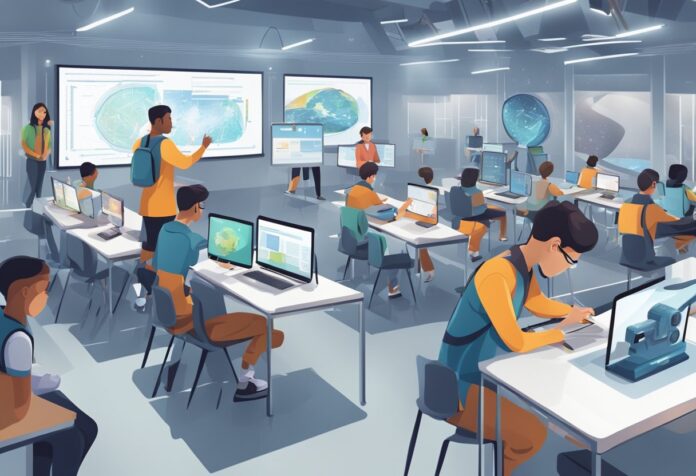

Artificial intelligence is transforming industries at an unprecedented pace. From healthcare and finance to education and manufacturing, AI is reshaping how organizations operate and how professionals perform their jobs. As businesses increasingly adopt intelligent technologies, the demand for workers who can adapt to an AI-driven environment continues to grow.
Universities play a critical role in preparing students for this rapidly changing future. Beyond teaching technical skills, higher education institutions are redesigning programs, introducing innovative learning methods, and fostering essential soft skills that help graduates succeed in a technology-focused world.
As technology continues to reshape career opportunities, students need flexible education options that help them build strong technical foundations. An online bca course can help learners gain essential knowledge in programming, computer applications, artificial intelligence, and data science. With online learning flexibility and industry-focused curriculum, such programs allow students to develop the skills needed to succeed in the evolving technology landscape.
The future workforce will require a unique combination of technical expertise, adaptability, creativity, and critical thinking. Universities that recognize these changing demands are taking proactive steps to ensure students are ready to thrive in careers influenced by artificial intelligence.
Updating Academic Curricula
One of the most significant ways universities are preparing students for the future is by modernizing their academic curricula. Traditional degree programs are being updated to include subjects related to artificial intelligence, machine learning, data analytics, cybersecurity, and automation.
Many institutions now offer specialized courses that introduce students to emerging technologies regardless of their primary field of study. Business students may learn about AI-powered decision-making tools, while healthcare students explore how artificial intelligence supports patient care and diagnostics.
By integrating technology-focused subjects into various disciplines, universities help students understand how AI impacts their future professions.
Expanding STEM Education
Science, technology, engineering, and mathematics (STEM) programs continue to play a central role in preparing students for careers influenced by artificial intelligence.
Universities are investing heavily in STEM education by developing advanced laboratories, expanding research opportunities, and partnering with industry leaders. Students gain hands-on experience with technologies that are becoming increasingly important in modern workplaces.
These programs often emphasize practical applications of AI, allowing students to work on real-world projects involving data analysis, software development, robotics, and intelligent systems.
Practical experience helps students build confidence while developing the technical skills employers seek.
Encouraging Interdisciplinary Learning
Artificial intelligence affects nearly every industry, making interdisciplinary learning more important than ever. Universities recognize that future professionals must understand both technology and the specific industries where it is applied.
As a result, many institutions encourage students to combine different fields of study. For example, students may pursue programs that blend computer science with healthcare, business, education, or environmental science.
This interdisciplinary approach allows graduates to understand complex problems from multiple perspectives and develop innovative solutions that leverage AI technologies effectively.
Teaching Critical Thinking and Problem-Solving
Although AI can automate many tasks, human judgment remains essential. Employers increasingly value individuals who can analyze situations, evaluate information, and solve complex problems.
Universities are focusing on developing critical thinking skills through project-based learning, case studies, research assignments, and collaborative activities. Students learn how to assess information, identify challenges, and make informed decisions. Students who need more personalized academic support as they build these skills can find a tutor on TutorLyft, where tutoring options can be filtered by subject, study level, lesson type, and price range.
These abilities become especially important in AI-driven workplaces where professionals must interpret data, evaluate recommendations generated by intelligent systems, and determine appropriate courses of action.
Strong problem-solving skills help graduates remain valuable even as technology continues to evolve.
Emphasizing Ethical AI Use
As artificial intelligence becomes more widespread, ethical considerations have become a major topic within higher education.
Universities are introducing courses and discussions focused on responsible technology use, privacy protection, algorithmic bias, and social impacts of AI. Students learn how technology can influence society and why ethical decision-making is critical when developing or using intelligent systems.
This emphasis helps future professionals understand the responsibilities associated with emerging technologies and prepares them to contribute positively to their industries.
Employers increasingly seek candidates who can balance innovation with ethical awareness, making this area of education particularly valuable.
Integrating Digital Learning Environments
Technology is transforming not only what students learn but also how they learn. Universities are adopting digital platforms that provide flexible, interactive, and personalized educational experiences.
Virtual classrooms, online collaboration tools, simulation software, and AI-powered learning platforms help students develop digital literacy skills while enhancing academic engagement.
For example, students attending an Adventist University may encounter technology-enhanced learning environments that combine academic instruction with modern digital tools designed to support student success and career readiness.
Exposure to these technologies helps students become comfortable working with digital systems that are increasingly common in professional settings.
Strengthening Industry Partnerships
Many universities are collaborating directly with businesses and technology companies to ensure educational programs align with workforce needs.
Industry partnerships often provide students with access to internships, mentorship programs, research opportunities, and practical training experiences. These connections help bridge the gap between academic learning and real-world application.
Employers can offer valuable insights into emerging trends and skill requirements, allowing universities to continuously improve their programs.
Students benefit by gaining firsthand exposure to workplace environments and developing professional networks before graduation.
Developing Soft Skills for the Future Workplace
While technical knowledge is important, employers consistently emphasize the importance of soft skills. Artificial intelligence may automate routine tasks, but human-centered abilities remain difficult to replicate.
Universities are increasingly focusing on skills such as:
- Communication
- Leadership
- Teamwork
- Adaptability
- Emotional intelligence
- Creativity
These competencies help graduates collaborate effectively, manage change, and contribute meaningfully within diverse teams.
As AI continues to automate technical functions, individuals who possess strong interpersonal and leadership abilities will remain highly valuable in the workforce.
Supporting Lifelong Learning
The rapid pace of technological change means that education cannot end at graduation. Professionals must continuously update their knowledge and skills throughout their careers.
Universities are encouraging a culture of lifelong learning by offering flexible educational pathways, online courses, professional certifications, and continuing education programs.
Students learn the importance of staying current with industry developments and embracing ongoing personal and professional growth.
This mindset helps graduates remain competitive in a job market where technologies and workplace requirements are constantly evolving.
Promoting Innovation and Entrepreneurship
Artificial intelligence is creating new business opportunities across industries. Universities are responding by encouraging innovation and entrepreneurial thinking among students.
Innovation centers, startup incubators, business competitions, and entrepreneurship programs provide students with opportunities to develop creative ideas and transform them into viable ventures.
These experiences teach students how to identify market opportunities, solve problems, and leverage emerging technologies to create value.
Graduates with entrepreneurial skills are often better prepared to adapt to changing economic conditions and capitalize on future opportunities.
Preparing Students for an Uncertain Future
The future job market will likely include roles that do not yet exist. Universities understand that preparing students for specific jobs is no longer sufficient. Instead, they must equip students with transferable skills that remain relevant regardless of technological advancements.
Adaptability, resilience, curiosity, and continuous learning are becoming essential components of modern education. Students who develop these qualities are better prepared to navigate uncertainty and embrace new opportunities throughout their careers.
By fostering both technical expertise and personal growth, universities help graduates build the confidence needed to succeed in dynamic environments.
Conclusion
Artificial intelligence is transforming the world of work, creating both challenges and opportunities for future professionals. Universities are responding by modernizing curricula, promoting interdisciplinary learning, strengthening industry partnerships, integrating digital technologies, and emphasizing both technical and soft skills.
As the demand for AI-related expertise continues to grow, higher education institutions play a vital role in preparing students for successful careers. By combining innovation, adaptability, ethical awareness, and lifelong learning, universities are helping graduates thrive in an increasingly AI-driven future.
The institutions that embrace these changes today will be best positioned to develop the leaders, innovators, and problem-solvers of tomorrow.