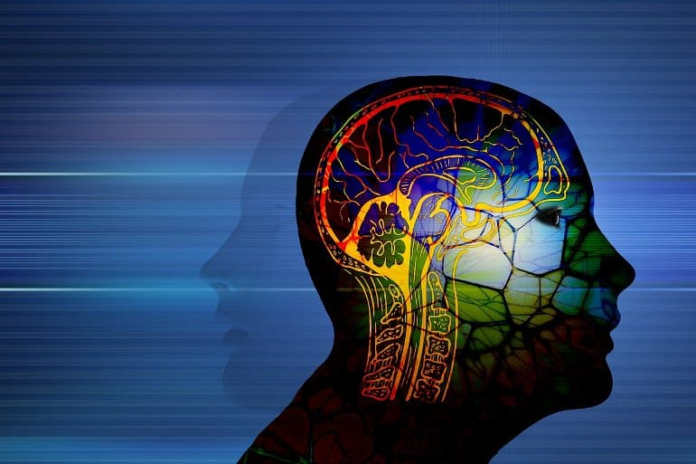

Something shifts after a traumatic experience. Sleep becomes unreliable. Ordinary sounds trigger outsized reactions. Relationships that once felt easy start to feel exhausting or unsafe. These are not signs of weakness or poor coping. They are signs that the brain and body have reorganized themselves around a threat, and that reorganization does not simply undo itself once the danger has passed.
This article walks through what actually happens inside the nervous system during and after trauma, why some people develop lasting symptoms while others recover more quickly, and what current research says about the most effective paths toward healing. Whether you are trying to understand your own experiences or support someone you care about, a clearer picture of the biology and psychology involved makes the recovery process far less mysterious.
What the Brain Does During a Traumatic Event
The brain’s primary job is survival. When it detects a serious threat, it shifts resources away from rational thinking and toward rapid, automatic responses. The amygdala, a small almond-shaped region deep in the brain, acts as the alarm system. It fires signals that flood the body with stress hormones like cortisol and adrenaline, priming muscles to fight, flee, or in some cases freeze entirely.
Meanwhile, the prefrontal cortex, the region responsible for logical reasoning, decision-making, and putting experiences into words, gets effectively sidelined. This is why people often struggle to describe traumatic events in a clear, linear way. The memory was not encoded the way ordinary memories are. It was stored in fragments: sensory details, emotional intensity, physical sensations, all without a clean narrative thread holding them together.
The hippocampus, which normally organizes memories in time and context, also functions differently under extreme stress. Research published in journals like Psychoneuroendocrinology has documented that high cortisol levels during trauma can actually suppress hippocampal activity, which helps explain why traumatic memories can feel present-tense rather than past, intrusive rather than retrievable on demand.
Why Trauma Symptoms Persist Long After the Event
For most people, acute stress responses fade within days or weeks as the nervous system returns to baseline. But for a meaningful portion of trauma survivors, the alarm system stays switched on. The brain continues to treat the world as if the original threat is still active, even when it objectively is not.
According to the National Center for PTSD, approximately 6 percent of the U.S. population will develop post-traumatic stress disorder at some point in their lives. About 12 million adults in any given year are living with PTSD. These numbers do not include the broader population experiencing subclinical trauma responses that significantly affect quality of life without meeting the full diagnostic criteria for PTSD.
Several factors influence whether trauma symptoms persist. These include the severity and duration of the original event, whether the trauma involved other people (particularly betrayal or interpersonal violence), the presence of prior trauma history, available social support in the aftermath, and individual biological differences in stress hormone regulation. None of these factors indicate fault or predetermine outcomes. They simply shape the starting conditions for recovery.
Common Trauma Responses and How They Show Up
Trauma does not look the same in everyone. Some people become hypervigilant and easily startled. Others withdraw, feel emotionally flat, or lose interest in things that once mattered. Some cycle between both states. Understanding the range of responses helps reduce the self-blame that many survivors carry.
| Response Type | Common Signs | Underlying Mechanism |
| Hyperarousal | Difficulty sleeping, irritability, exaggerated startle response, constant alertness | Sympathetic nervous system stuck in high-alert mode |
| Avoidance | Staying away from reminders, emotional numbness, social withdrawal | Brain reducing exposure to triggers that reactivate distress |
| Intrusion | Flashbacks, nightmares, unwanted memories, emotional flooding | Unprocessed memory fragments surfacing without warning |
| Negative Cognition | Persistent guilt, shame, distorted beliefs about safety or self-worth | Trauma altering core assumptions about self and world |
| Dissociation | Feeling detached, depersonalization, gaps in memory | Nervous system using disconnection as a protective buffer |
Physical symptoms are also extremely common and often underrecognized. Chronic pain, gastrointestinal problems, fatigue, and immune dysregulation have all been linked to prolonged trauma responses. This connection between psychological trauma and physical health is sometimes called the mind-body continuum, and it is one reason effective treatment tends to address the whole person rather than symptoms in isolation.
Evidence-Based Approaches to Trauma Recovery
The good news is that trauma responses are treatable. The brain retains the capacity to change throughout life, a property called neuroplasticity, and several therapeutic approaches have strong research support for helping survivors process traumatic memories and regulate their nervous systems more effectively.
When someone is exploring trauma disorder treatment options, they are likely to encounter a range of evidence-based modalities. The most well-studied include cognitive processing therapy, prolonged exposure therapy, and eye movement desensitization and reprocessing, commonly known as EMDR. Each approach works somewhat differently, but all share a common goal: helping the brain process unresolved traumatic material so it loses its ability to hijack the present.
Cognitive Processing Therapy
Cognitive processing therapy, or CPT, focuses on identifying and challenging the unhelpful beliefs that trauma tends to produce. Many survivors develop what researchers call “stuck points”: rigid thoughts like “I should have done something” or “nowhere is safe.” CPT helps people examine these beliefs systematically and replace them with more accurate, flexible perspectives. The American Psychological Association includes CPT among its strongly recommended treatments for PTSD.
EMDR Therapy
EMDR uses bilateral stimulation, typically side-to-side eye movements, sounds, or taps, while the person holds a traumatic memory in mind. The mechanism is still being studied, but a leading theory is that the bilateral stimulation mimics the brain activity during REM sleep, a phase associated with emotional memory processing. Multiple randomized controlled trials have found EMDR effective for PTSD, and the World Health Organization recommends it as a first-line intervention.
Somatic and Body-Based Approaches
Because trauma is stored not just in thought and memory but in the body itself, approaches that engage physical sensation have gained considerable clinical support. Somatic experiencing, developed by Dr. Peter Levine, works by tracking bodily sensations and allowing incomplete survival responses to discharge safely. Practices like yoga, breathwork, and mindfulness-based stress reduction have also shown measurable benefits in trauma populations, particularly for reducing physiological hyperarousal.
Complex Trauma: When the Experience Is Prolonged or Repeated
Single-incident trauma, like a car accident or a natural disaster, differs in important ways from trauma that is chronic, repeated, or begins in childhood. The latter is often referred to as complex trauma. It commonly arises from prolonged abuse, neglect, domestic violence, or growing up in an unpredictable or dangerous environment.
Complex trauma tends to affect identity, emotional regulation, and relationships more profoundly than single-incident trauma. Survivors may struggle with a pervasive sense of shame, difficulty trusting others, or patterns of self-destructive behavior that developed originally as coping strategies. Recovery from complex trauma typically takes longer and benefits from a phased approach: stabilization and safety first, then trauma processing, then rebuilding a sense of self and connection.
- Complex trauma often originates in childhood, when the brain is still developing and most dependent on caregivers for safety.
- It disproportionately affects people who experienced abuse, neglect, trafficking, or prolonged exposure to community violence.
- Symptoms frequently include emotional dysregulation, dissociation, and relational difficulties alongside the more commonly recognized PTSD symptoms.
- Treatment for complex trauma tends to emphasize therapeutic relationship quality and pacing, not just technique.
- Recovery is possible, though it often unfolds over a longer timeline than recovery from single-incident trauma.
Supporting Someone Who Is Living With Trauma
If someone close to you is dealing with the aftermath of trauma, the most valuable thing you can offer is often not advice or solutions. It is consistent, patient presence. Trauma can make people feel fundamentally alone in their experience, and knowing that someone will not pull away when things get hard counters that isolation directly.
Avoid pushing for details about what happened. Retelling trauma without proper support can sometimes retraumatize rather than relieve. Instead, focus on the present: what does this person need today? What helps them feel safer or more grounded? Asking directly, rather than assuming, respects their autonomy and keeps the relationship collaborative.
It is also worth acknowledging that supporting someone with trauma can take a toll. Secondary traumatic stress, sometimes called compassion fatigue, is a real phenomenon among caregivers and loved ones. Taking care of your own mental health is not a distraction from supporting someone else. It is what makes sustained support possible.
Trauma is one of the most common human experiences, and one of the most misunderstood. The responses it produces are not flaws in the people who have them. They are the nervous system doing exactly what it was built to do: protect. Understanding that distinction changes the conversation from one about weakness and willpower to one about biology, healing, and what the brain is genuinely capable of when given the right conditions.