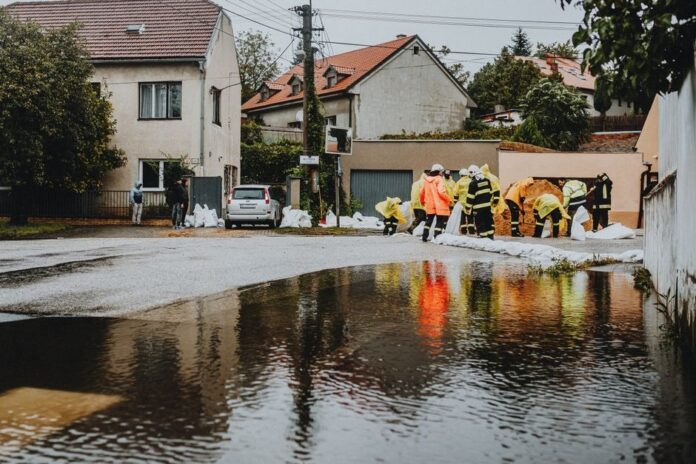

For homeowners in Cape Coral, a soggy yard can become a familiar headache. The city’s hot, humid climate, frequent summer downpours, and hurricane season can leave water lingering long after the rain stops. Before you know it, patches of grass stay muddy, landscaping struggles, and your yard starts looking less inviting. The good news is that many drainage problems are easier to fix than they first appear. Once you understand what causes standing water and how to address it, you can protect your lawn, improve your home’s curb appeal, and keep your outdoor space looking its best through Florida’s wettest months.
Why yards stay wet
A wet yard usually has more than one reason for acting like a sponge that’s had a hard day. One of the biggest causes is poor grading. If the ground slopes toward your house or forms low spots, rainwater naturally settles there instead of moving away.
Compacted soil is another common troublemaker. When soil is packed too tightly, water can’t soak in well. It just sits on top and creates puddles. This happens a lot in yards with heavy foot traffic, parked equipment, or years of dense clay soil.
You should also look at your gutters and downspouts. If they’re clogged or dumping water too close to the house, your yard gets an unwanted shower in the same spot over and over. Driveways, patios, and pool decks can make things worse by pushing runoff into the lawn. In flat, rainy places, even a small drainage issue can stick around like an uninvited guest.
When to call help
Some drainage issues can be improved with simple upkeep, but others need a bigger fix. If your yard floods often, water keeps coming back to the same low area, or runoff is reaching your foundation, it may be time to bring in a pro. That’s especially true in places with frequent downpours and flat lots.
If you live locally and your yard seems to turn into a splash zone after every storm, it makes sense to look into yard drainage services in Cape Coral. Professional help can be useful when the problem involves grading, buried drainage systems, or water flow that affects more than one part of the property.
A good drainage specialist won’t just chase puddles around your lawn. They’ll look at how water moves across the whole yard and suggest solutions that actually fit your layout. That can save you from repeating the same quick fixes every rainy season and hoping the puddles get the memo.
Spot trouble early
Drainage problems don’t always announce themselves with a giant puddle. Sometimes the signs are sneaky. Maybe your grass stays mushy days after a storm, or maybe certain areas smell musty and never seem to dry out. Those are clues worth noticing.
Watch for water collecting near patios, walkways, and the edges of your home. If you see erosion, exposed roots, or mulch washing away, water is moving where it shouldn’t. Mosquitoes also love standing water, so if your yard suddenly feels like a bug buffet, drainage could be the reason.
Inside the home, trouble can show up as damp smells, minor foundation cracks, or water stains near exterior walls. That doesn’t mean you should panic and move into the treehouse. It just means the yard may be sending water too close to the structure. Catching the problem early gives you more options, and usually cheaper ones, too.
Simple fixes that help
Before you jump into a major project, a few basic changes can make a real difference. Start with your gutters. Clean them out and make sure downspouts send water well away from the house. Even a short extension can help keep one area from getting drenched.
You can also check your watering habits. If your sprinklers run too often, the yard may be getting more water than it needs. Early morning watering and shorter cycles are usually better than soaking everything into submission. Your grass wants a drink, not a swimming lesson.
Other easy improvements include filling small low spots, adding gravel to problem areas near downspouts, and using mulch in garden beds to reduce soil splash and erosion. If foot traffic is compacting the lawn, aerating the soil may help water soak in more evenly. These fixes won’t solve every drainage problem, but they often reduce the mess and help you figure out whether the issue is minor or more serious.
Landscape with drainage in mind
A good-looking yard and a better-draining yard can absolutely be the same place. In fact, smart landscaping often helps with both. Choosing plants that can handle occasional wet conditions is a practical move for low areas. Native and Florida-friendly plants are often a safer bet than fussier options that act offended by every rainstorm.
You can also think about how your hardscaping affects water flow. A wide solid surface may look neat, but it can send runoff straight into the lawn. Permeable pavers, gravel borders, and well-placed planting beds can help slow water down and guide it more naturally.
Even the shape of your yard matters. Gentle swales, raised beds, and thoughtful plant placement can improve drainage without making the space look like an engineering project. The goal is to work with your yard instead of fighting it. When the layout supports water movement, the whole space becomes easier to maintain and much more pleasant to use.
Protect your home long term
Good drainage does more than save your shoes from muddy disaster. It protects your home’s appearance, your outdoor living space, and the structure itself. Water that sits too close to the house can damage foundations, stain surfaces, attract pests, and shorten the life of landscaping features.
It also affects how you use your yard. A soggy lawn makes it harder to garden, entertain, or let kids and pets run around without bringing half the yard back inside. Fixing drainage helps your outdoor space feel usable again, not like a seasonal obstacle course.
The key is to pay attention early and act before a small problem turns into an expensive one. Start with the obvious causes, make a few practical changes, and don’t be afraid to get expert help if the issue keeps returning. A dry, tidy yard doesn’t just boost curb appeal. It makes your home feel more comfortable from the ground up, which is a pretty solid win for something happening under your feet.