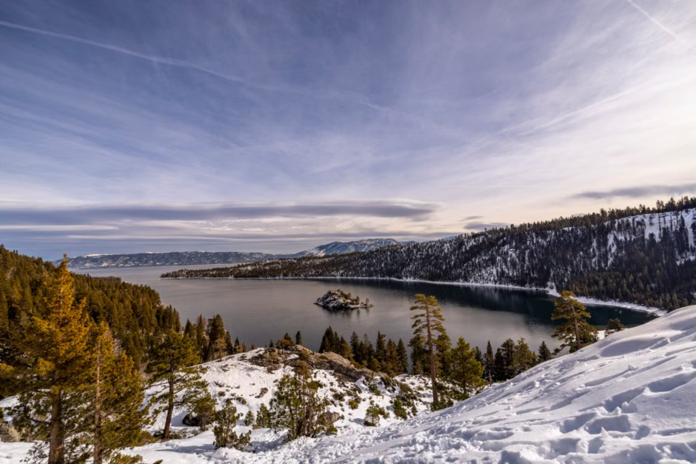

Staying comfortable while snowshoeing in Lake Tahoe comes down to proper preparation, appropriate clothing, the right equipment, and understanding winter conditions before heading out on the trails. When planned correctly, snowshoeing allows visitors to enjoy Lake Tahoe’s spectacular winter scenery while staying warm, safe, and energized throughout the experience.
Lake Tahoe is one of the most popular winter recreation destinations in the United States. Known for its snow-covered forests, alpine landscapes, and breathtaking mountain views, the region attracts outdoor enthusiasts from around the country.
Winter visitors can enjoy a variety of activities, including skiing, snowboarding, hiking, and snowshoeing. Reviewing a Lake Tahoe outdoor tour FAQ before your trip can help you better understand trail conditions, weather expectations, and essential preparation tips for a successful outdoor adventure.
Dress in Layers for Changing Conditions
One of the most important aspects of staying comfortable while snowshoeing is wearing the right clothing.
Winter temperatures in Lake Tahoe can fluctuate throughout the day, especially when moving between shaded forests and sunny open areas. Layering allows you to adjust your clothing as conditions change.
A good layering system typically includes:
- A moisture-wicking base layer
- An insulating middle layer
- A waterproof and wind-resistant outer layer
Avoid cotton whenever possible because it retains moisture and can leave you feeling cold once you begin sweating.
Choose Proper Footwear
Your feet play a major role in overall comfort during a snowshoeing excursion.
Waterproof hiking boots with good ankle support are often the best choice. Wet feet can quickly make an otherwise enjoyable outing uncomfortable, particularly during longer hikes.
Warm wool or synthetic socks can help regulate temperature while reducing the risk of blisters. Some snowshoers also use gaiters to keep snow from entering their boots.
Investing in quality footwear often makes a significant difference in comfort and enjoyment.
Stay Hydrated Even in Cold Weather
Many people underestimate the importance of hydration during winter activities.
Cold temperatures can reduce feelings of thirst, but your body still loses fluids through physical activity. Snowshoeing can be surprisingly demanding, especially on uphill sections and deep snow.
Bring enough water for the duration of your outing and take regular breaks to drink, even if you do not feel thirsty.
Proper hydration helps maintain energy levels and supports overall physical performance.
Protect Yourself From the Sun
Many first-time visitors focus on staying warm and forget about sun protection.
Snow reflects sunlight, increasing exposure to ultraviolet rays. Combined with Lake Tahoe’s higher elevation, this can result in sunburn even during cold weather.
To stay comfortable and protected, consider bringing:
- Sunglasses with UV protection
- Sunscreen
- Lip balm with SPF
- A hat or face covering
These simple precautions can prevent discomfort and allow you to enjoy the experience more fully.
Pace Yourself
Snowshoeing often requires more energy than people expect.
Walking through snow engages muscles differently than hiking on dry trails. Starting too quickly can lead to fatigue early in the trip.
Maintain a comfortable pace and take breaks as needed. A steady rhythm helps conserve energy and makes longer outings more enjoyable.
Families and beginner snowshoers especially benefit from choosing routes that match their fitness levels and experience.
Bring Essential Snacks
Snowshoeing burns a significant number of calories, particularly during extended excursions.
Packing nutritious snacks can help maintain energy throughout the day. Options such as trail mix, energy bars, fruit, and nuts are easy to carry and provide quick fuel when needed.
Frequent small snacks often work better than waiting until you feel exhausted.
Maintaining energy levels contributes directly to overall comfort and enjoyment.
Check Trail and Weather Conditions
Winter conditions can change rapidly in mountain environments.
Before heading out, review weather forecasts and trail updates to understand current conditions. Snow depth, wind, visibility, and temperature can all affect the experience.
Reading a Lake Tahoe tour FAQ can provide useful information about seasonal conditions, recommended equipment, and trail accessibility. Being informed before you begin helps reduce surprises and improves overall safety.
Choose the Right Trail
Not every snowshoe trail is appropriate for every skill level.
Beginners should start with shorter, well-marked routes that offer manageable terrain. More experienced snowshoers may enjoy longer excursions with elevation changes and challenging conditions.
Selecting a trail that matches your abilities helps prevent fatigue and allows you to focus on enjoying the scenery rather than struggling through difficult terrain.
Enjoy the Winter Landscape
While preparation is important, remember that snowshoeing is also about appreciating the natural beauty around you.
Lake Tahoe’s winter landscapes offer peaceful forests, mountain vistas, frozen meadows, and opportunities to observe wildlife tracks in the snow. Taking time to enjoy these surroundings can make the experience even more rewarding.
A comfortable outing is not only about staying warm but also about fully enjoying everything the environment has to offer.
Key Takeaways
- Dress in moisture-wicking, layered clothing to adapt to changing conditions.
- Wear waterproof boots and warm socks to keep feet comfortable.
- Stay hydrated even when temperatures are cold.
- Use sunscreen and sunglasses to protect against reflected sunlight.
- Maintain a steady pace and take breaks when needed.
- Bring snacks to support energy levels throughout the trip.
- Review weather forecasts and trail conditions before heading out.
- Choose trails that match your experience and fitness level.
- Taking time to enjoy the scenery enhances the overall snowshoeing experience.