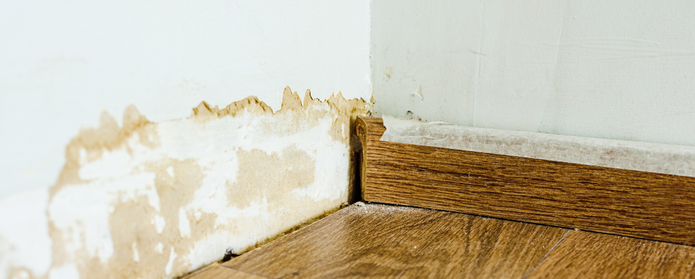

Water moves fast once it escapes a pipe, appliance, or window. It seeps under baseboards, wicks up drywall, and can saturate carpet padding long before the puddle looks serious. The first two days after a leak are about triage: stop the source, make the area electrically safe, remove moisture-trapping materials, and start controlled drying. Done well, early action limits wood swelling, prevents drywall collapse, and reduces musty odors and mold. This guide focuses on practical steps any homeowner can take right away, plus where professional mitigation fits when the job is bigger than fans and towels.
- The First Hour After a Leak: Stop the Source and Make It Safe
Start by stopping the water at a fixture shutoff or the main house valve. If water is near outlets or appliances, switch off the affected circuits at the breaker panel before walking through standing water. Look up for bulging ceilings and avoid rooms where drywall is sagging. Move rugs and lift furniture legs onto foil or wood blocks to prevent staining and delamination. If you cannot locate the valve or you need help coordinating urgent mitigation, many homeowners contact The CleanUP Guys near Chicago for guidance on immediate next steps.
Fast extraction reduces how far water migrates under walls and into subfloors. A wet/dry vacuum can help with clean water, but avoid using a household vacuum. Mop and towel edges where carpet meets baseboards to slow wicking. If the leak is from a supply line or an appliance hose, call a licensed plumber once the flow is controlled. You can start stabilizing the building while you wait.
- Stabilizing Wet Materials: What to Remove and What to Keep
Carpet padding acts like a sponge and often needs to be removed first, even when the carpet looks salvageable. Carefully disengage carpet from the tack strip, roll it back, and lift out soaked pad in manageable sections. Popping baseboards free creates a gap for airflow; label each piece and set nails aside for reinstallation. In some cases, drilling small relief holes behind the baseboard line speeds drying in the wall cavity without cutting a visible “flood cut.” The trade-off is time versus finish work: minor openings and baseboard removal preserve more finishes, while larger cuts move faster in heavily saturated areas.
Not all materials behave the same. Laminate flooring and particleboard cabinets tend to swell and crumble once saturated; plan for disposal rather than lengthy attempts to dry in place. Solid hardwood may cup but can often be brought down toward normal moisture levels using panel drying mats and aggressive dehumidification. Fiberglass batt insulation can sometimes dry inside a wall if the water was clean and airflow is established quickly, whereas blown-in cellulose stays wet and usually must be removed. A common mistake is blasting fans at a wet wall while baseboards and vapor barriers still trap moisture behind the paint film.
- Drying That Actually Works: Air Movers, Dehumidifiers, and Moisture Meters
Air movers and dehumidifiers work as a pair: airflow lifts moisture from surfaces into the air, and the dehumidifier removes that vapor. Without dehumidification, fans simply raise indoor humidity and can push moisture into unaffected rooms. Place low-profile air movers to sweep along walls and under lifted carpet, and close windows to keep outdoor humidity from fighting your efforts. Size a high-capacity dehumidifier, whether a modern refrigerant unit or a desiccant model, for the area; small bucket units often cannot keep up in multi-room losses. Use a drain hose to a sink or a floor drain so it can run continuously.
Measure, do not guess. A hygrometer tracks room temperature and relative humidity, and a pin-type moisture meter shows how wet base plates, studs, and drywall still are. Identify a “dry standard” by taking readings in an unaffected area; then compare and log your numbers daily. If glass fogs or you see condensation on windows, increase dehumidification or reduce the number of air movers to balance evaporation with water removal. Rotate equipment to eliminate dead zones behind sofas, under toe kicks, and in closets where damp air can stagnate.
- When Water Is Not Clean: Category 2 and 3 Rules for Safety
Water from dishwashers, washing machines, and sump overflows can contain contaminants; sewage and stormwater carry pathogens that require strict handling. Wear waterproof gloves, eye protection, and a respirator rated for particulates or aerosols. Shut down the HVAC in the affected zone to prevent contaminated air from circulating through the ducts. Use 6 mil plastic and painter’s tape to create simple containment and isolate wet rooms. Avoid using regular fans in these areas, which can aerosolize bacteria; if available, a HEPA air scrubber helps capture fine particulates during demolition and cleanup.
Plan to remove porous items that contacted contaminated water, including carpet pad, upholstered furniture, and particleboard shelving. Clean hard, nonporous surfaces with an EPA-labeled disinfectant, following the dwell time on the product label; bleach is not reliable on porous materials and can corrode metals. After demolition and cleaning, rinse residues, then dry the space thoroughly. Delaying disposal and sanitation after contaminated-water events often leads to persistent odors and additional material loss.
Documenting the Loss Without Delaying Mitigation
Insurance generally expects prompt action to prevent further damage. Take photos before you move contents, capture water lines on walls, and record initial moisture meter readings. Sketch a simple floor plan and mark wet areas to create a moisture map. Save a small piece of removed carpet pad or a baseboard segment as a sample. In one common scenario, a kitchen supply line bursts overnight, and you cannot reach your adjuster early in the morning. Begin extraction, remove saturated pad under the toe kick, and start dehumidification. Keep receipts and a drying log so the file clearly shows necessary steps taken to protect the property.
Another frequent case is a basement after a summer storm when the sump pump fails. Mark the high water line on the foundation and photograph it. If you suspect a municipal backup, notify the city while you continue stabilizing the space. Sort boxes to prioritize important documents and electronics; move them to a dry area with airflow. Keep the water heater and furnace area clear, and do not power appliances until they are inspected. Coordinating schedules with a qualified local mitigation team can shorten the overall timeline, but your immediate triage still makes the biggest difference in what you can salvage.
Early decisions control the scale of water damage. Shut off the source, make the area electrically safe, remove moisture-trapping materials, and run balanced drying based on measurements, not guesswork. Contain gray and black water, wear protective gear, and dispose of it properly. Document as you go so insurance sees clear evidence of mitigation. For larger or contaminated losses, bringing in an experienced restoration contractor alongside your efforts helps align plumbing, demolition, drying, and documentation into a single, organized plan.
<iframe src=”https://www.google.com/maps/embed?pb=!1m14!1m8!1m3!1d189850.17776081534!2d-87.8150919!3d41.9700271!3m2!1i1024!2i768!4f13.1!3m3!1m2!1s0x880fd1c656719809%3A0xc2a77d821bc1c2e8!2sThe%20CleanUP%20Guys!5e0!3m2!1sen!2s!4v1778661945885!5m2!1sen!2s” width=”600″ height=”450″ style=”border:0;” allowfullscreen=”” loading=”lazy” referrerpolicy=”no-referrer-when-downgrade”></iframe>