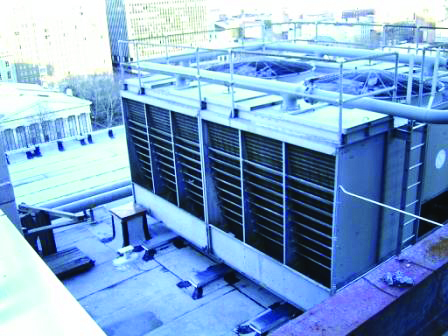

The most effective way to eliminate sourcing delays for Cooling Tower Parts is to establish direct partnerships with factory-authorized suppliers who utilize localized distribution hubs. This strategy entirely bypasses port congestion and international freight wait times.
Facility managers should also conduct pre-season thermal audits to forecast replacement needs early and build on-site redundancy kits containing essential items like spray nozzles and bearings. By shifting from reactive purchasing to proactive, data-driven procurement using IoT telemetry, you guarantee same-week availability and protect your facility from unexpected operational downtime.
Table of Contents
1. Introduction: The High Cost of the “12-Week Wait.”
2. The Anatomy of an Efficient Supply Chain
2.1. Factory Authorized Parts vs. Generic: Protecting Warranties
2.2. The Shift to Inventory Localization: Bypassing International Freight
2.3. Predictive Inventory via IoT: Using Telemetry to Mitigate Lead Times
3. Essential Cooling Tower Components Reference
4. 5 Strategies to Eliminate Sourcing Delays
4.1. Leveraging Factory Authorized Partnerships
4.2. The Pre-Season Thermal Audit: Beating the Q1 Rush
4.3. Standardizing Your Fleet: Reducing Backup Inventory Volume
4.4. Digital Logistics Tracking: Real-Time Loading Dock Visibility
4.5. Redundancy Stocking: Building On-Site Small-Parts Kits
5. Technical Deep Dive: Why “Factory Authorized” Matters in 2026
5.1. Material Science: PFAS-Free Polymers and High-Tensile FRP
5.2. Compliance: Meeting ASHRAE 188 and 2026 Noise-Pollution Mandates
5.3. The Precision Fit: Preventing Air Bypass and Energy Spikes
6. Troubleshooting: Sourcing During a Crisis
6.1. The 24/7 Emergency Hotline Strategy
6.2. Cross-Brand Compatibility: What Can (and Can’t) be Swapped
6.3. Validation Protocols: Spotting Counterfeits via Factory Certificates
7. Conclusion: Uptime is a Sourcing Decision
8. Frequently Asked Questions (FAQs)
The Anatomy of an Efficient Supply Chain
Understanding the mechanics of parts procurement separates resilient facilities from vulnerable ones. You must build a supply chain strategy that prioritizes speed, accuracy, and legal compliance.
Factory Authorized Parts vs. Generic
Investing in factory-authorized parts yields immediate operational dividends. OEM cooling tower components offer true “plug-and-play” compatibility, which routinely saves maintenance teams up to 40% in labor costs during installation. Furthermore, using unauthorized generic pieces carries significant legal and financial risks. Installing third-party materials often voids existing manufacturer warranties, leaving your facility financially exposed during catastrophic failures.
The Shift to Inventory Localization
Relying on international freight is no longer a viable maintenance strategy. Forward-thinking suppliers now prioritize inventory localization. By maintaining localized distribution hubs, your cooling tower parts supplier bypasses port congestion and international shipping delays. This localized approach ensures critical materials remain stationed within a day’s drive of your facility.
Predictive Inventory via IoT
Modern procurement relies on data, not guesswork. Internet of Things (IoT) telemetry monitors your equipment condition in real time. These sensors track vibration, temperature, and wear patterns, alerting your team to specific parts’ needs before the component actually fails. This predictive model acts as the ultimate lead-time mitigation tool.
Essential Cooling Tower Components Reference
Understanding the specific delay risks associated with different parts allows you to prioritize your procurement efforts. Review this technical guide to the most time-sensitive cooling tower replacement parts.
| Component Category | Critical Part | Function | Delay Risk |
| Mechanical Drive | Gearbox/Motor | The “engine” that drives airflow | High |
| Thermal Heart | Fill Media | Facilitates 90% of heat transfer | Moderate |
| Water Distribution | Spray Nozzles | Ensures uniform thermal coverage | Low |
| Containment | Drift Eliminators | Prevents water loss & Legionella risk | Moderate |
| Instrumentation | Vibration Switches | Protects the tower from catastrophic failure | High |
- Mechanical Drive (Gearbox and Motor): This serves as the “engine” that drives airflow. The delay risk is high due to ongoing global shortages of heavy mechanical goods.
- Thermal Heart (Fill Media): This component facilitates 90% of the heat transfer within the unit. The delay risk is moderate, primarily related to the bulk logistics of shipping large volumes of plastic material.
- Water Distribution (Spray Nozzles): Nozzles ensure uniform thermal coverage across the fill media. The delay risk is low due to their small footprint and ease of localized storage.
- Containment (Drift Eliminators): These prevent water loss and mitigate Legionella risks. The delay risk is moderate, as these are critical compliance items that require specific manufacturing standards.
- Instrumentation (Vibration Switches): These sensors protect the tower from catastrophic mechanical failure. The delay risk is high due to persistent constraints in the semiconductor chip market.
5 Strategies to Eliminate Sourcing Delays
You can proactively insulate your facility from supply chain shocks by implementing these five proven strategies.
1. Leverage Factory Authorized Partnerships
Direct lines to original equipment manufacturers like Marley, BAC, or Evapco operate much faster than third-party aggregators. A dedicated partnership ensures you receive priority placement in the manufacturing queue during high-demand periods.
2. Conduct a “Pre-Season” Thermal Audit
Do not wait for summer heat to test your equipment limits. Identify necessary cooling tower replacement parts during a comprehensive first-quarter thermal audit. Ordering materials in Q1 allows you to avoid the frantic summer emergency rush when inventory levels drop.
3. Standardize Your Fleet
Operating multiple tower brands across different facility sites complicates procurement. Standardizing your equipment allows you to use universal cooling tower components across your entire portfolio. This strategy reduces the total volume of backup inventory you must hold on-site.
4. Utilize Digital Logistics Tracking
Blind spots in shipping cause unnecessary panic. Partner with a cooling tower parts supplier that provides real-time digital logistics tracking. Visibility from the factory floor directly to your loading dock allows you to schedule maintenance crews precisely when the materials arrive.
5. Implement Redundancy Stocking
Every industrial plant must keep essential small parts kits on-site. Build redundancy stocking kits that include nozzles, seals, hardware, and bearings. Having these inexpensive but critical items immediately available eliminates minor shutdown events.
Technical Deep Dive: Why “Factory Authorized” Matters in 2026
The technical gap between generic and factory-authorized parts widens every year. Facility managers must understand the engineering behind these differences.
Material Science Advancements
Modern manufacturing dictates a shift toward high-performance materials. OEM parts utilize PFAS-free polymers and high-tensile Fiberglass Reinforced Polyester (FRP) to withstand aggressive water treatment chemicals. Generic parts rarely match these proprietary material science formulas, leading to rapid degradation and premature failure.
Strict Regulatory Compliance
Facility operations face intense regulatory scrutiny. OEM cooling tower components undergo rigorous testing to meet the latest ASHRAE 188 water safety guidelines and 2026 local noise-pollution mandates. Using engineered OEM materials guarantees your facility passes necessary health and environmental inspections.
The Precision Fit
Energy return on investment heavily depends on structural integrity. Factory-authorized materials provide a precision fit that prevents “air bypass” and “water splash-out.” When generic parts leave millimeter-sized gaps, the system works harder to cool the water, which drastically spikes your electrical consumption.
Troubleshooting: Sourcing During a Crisis
Even with perfect planning, emergencies happen. You must know exactly how to navigate the market when your primary system goes offline.
The Emergency Hotline
Having a dedicated supplier with a 24/7 rapid-response team is non-negotiable. When a drive shaft snaps at midnight on a Saturday, an online web form will not help you. You need direct phone access to engineering teams capable of mobilizing parts from localized hubs immediately.
Cross-Brand Compatibility
Sometimes, you must use what is available. However, you must know when it is safe, and when it is dangerous to swap parts between different tower brands. Universal items like standard nozzles often cross over safely. Conversely, swapping proprietary fan blades or gearboxes between different manufacturers often causes catastrophic system imbalance and structural damage.
Validation Protocols
The secondary market contains many counterfeit parts disguised as OEM materials. You must verify a part is truly OEM by requesting factory certificates of authenticity. Check for official casting marks and cross-reference serial numbers directly with the manufacturer to ensure you receive genuine factory-authorized parts.
Conclusion: Uptime is a Sourcing Decision
Facility uptime relies directly upon your procurement strategy for Cooling Tower Parts. Do not let your production schedule hinge on a shipping container sitting idle in a foreign harbor. By standardizing your equipment, holding critical backup kits, and utilizing localized inventory networks, you can eliminate the dreaded 12-week wait.
Bridging the gap between global manufacturers and local facility needs requires action. Need it yesterday? Browse our online cooling tower components catalog or call our engineering team for immediate lead-time estimates on critical OEM parts. Protect your operations and secure your inventory today.
Frequently Asked Questions
Why should I choose factory-authorized parts over generic alternatives?
Using factory-authorized parts ensures your system runs at peak efficiency while keeping your manufacturer’s warranty intact. Generic options often lack the exact precision fit required for optimal performance, which leads to higher energy costs and premature wear. Sticking with official OEM cooling tower components protects your equipment and prevents unexpected breakdowns.
How can I get cooling tower replacement parts faster to avoid downtime?
The best way to beat global supply chain delays is by partnering with a supplier that utilizes inventory localization. By storing essential cooling tower replacement parts in local distribution hubs rather than overseas ports, suppliers can deliver what you need in days instead of months. This localized approach drastically reduces facility downtime.
What are the most critical cooling tower parts I should keep on-site?
Facility managers should always stock essential small items to prevent sudden operational halts. We recommend keeping spare spray nozzles, hardware, seals, and bearings directly on-site. While larger mechanical drives are crucial cooling tower parts, having basic backup kits readily available eliminates minor shutdown events and keeps your daily operations running smoothly.
What are the most important cooling tower parts?
Cooling tower parts include fill media, drift eliminators, nozzles, basins, and industrial fans. Leading manufacturers such as Greenheck, Plasticair Inc., Twin City Fan, and h2ocooling provide reliable components for efficient cooling performance.
How do I verify my materials are genuine OEM cooling tower components?
Counterfeit materials can cause severe structural damage to your system. To ensure you have genuine OEM cooling tower components, always request a factory certificate of authenticity from your supplier. You can also look for official casting marks and verify the serial numbers directly with the manufacturer to confirm you received true factory authorized parts.
Is it safe to mix cooling tower replacement parts from different brands?
While you can safely swap some universal items like standard spray nozzles, mixing major mechanical cooling tower parts between different brands is highly risky. Proprietary fan blades or gearboxes require a precise engineering fit. Using mismatched components causes severe system imbalances and costly damage, so we always advise using brand-specific, factory-authorized parts.