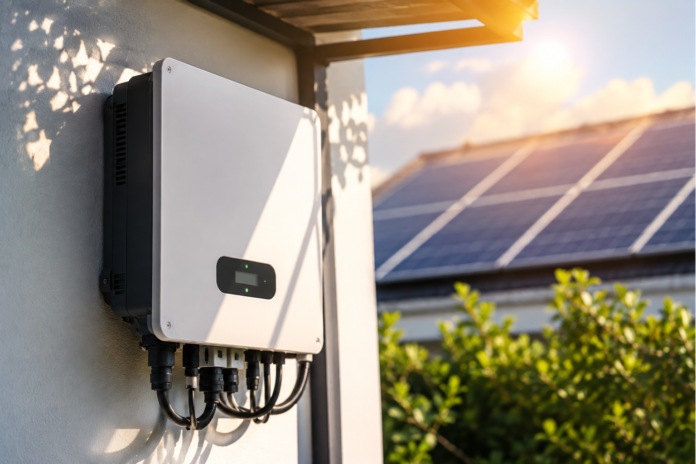

Your solar inverter is the heart of your solar power system, converting the DC electricity made by your panels into the AC electricity your home uses every day. While inverters are designed to be durable and can operate in a wide range of temperatures, prolonged exposure to extreme heat can have a negative impact on the inverter’s efficiency and can even shorten its lifespan. In some cases, your inverter may even temporarily shut down to give itself time to cool. With record-breaking summer temperatures happening more and more often, protecting your inverter from extreme heat is more important than ever.
Install the Inverter in a Shaded Location
An effective way to protect your inverter is by installing it out of direct sunlight. Even if the surrounding air temperature is within the manufacturer’s suggested operating range, direct sun exposure can significantly increase the temperature inside the inverter itself. So, a little shade can go a long way towards keeping your inverter cool.
Garages, utility rooms, covered patios, and shaded exterior walls are a much better option for installing your inverter than south- or west-facing walls that get intense afternoon sun. If you can’t install your inverter indoors, make sure that your inverter is shaded as much as possible throughout the day.
Maintain Proper Ventilation
Solar inverters rely on adequate airflow to help cool themselves down. Blocking vents or installing your inverter in a cramped space can trap hot air around it and force the inverter to run at higher temperatures. Be sure to leave the recommended amount of space around the inverter, based on the manufacturer’s specifications. Keep any shelves, storage boxes, landscaping, and other objects from being too close and restricting the airflow. If your inverter is installed indoors, make sure the room itself has proper ventilation as well.
Keep the Inverter Clean
Dust, dirt, leaves, and debris can accumulate around the cooling vents and heat sinks of your inverter over time. This buildup reduces the inverter’s cooling efficiency and makes it harder for it to regulate its temperature. Check your inverter every now and then, and gently clean the outside of it based on your owner’s manual. Remove dust from fans and vents, and clear out any debris in the surrounding area to help with airflow as well.
If your inverter is outdated and not holding up in the extreme heat this summer, look for a solar inverter distributor and find a newer model with better temperature regulation built in, and be sure to follow these tips once your new inverter arrives.