
Planning a New Zealand road trip sounds simple until you start adding up the costs. Rental vehicles, fuel, ferries, accommodation, food, and activity fees can quickly turn a dream trip into an expensive one. The good news is that you do not need a rigid itinerary or a big budget to make it work.
A flexible trip can actually save you money, because it gives you room to follow the weather, avoid peak prices, and stay longer where it matters. The key is to plan smartly enough to stay in control, while leaving enough open space to enjoy the journey.
Start with a Realistic New Zealand Road Trip Budget
The first step is to decide what you can comfortably spend, not what you hope you can stretch to. A realistic New Zealand travel budget should include transport, fuel, accommodation, food, and a buffer for the unexpected. If you skip the buffer, even a small detour or repair can throw everything off.
It helps to think in daily costs. That gives you a clearer picture than one large total, especially if you are comparing a campervan trip with a car-and-motels plan. Some days will be cheaper than others, but an average per day makes the trip easier to manage.
If you are hiring a vehicle, compare the total package rather than just the headline rate. A lower rental price may come with added charges for insurance, bedding, extra drivers, or one-way drop-offs. A slightly higher base price can sometimes work out cheaper overall if it includes more of what you need.
Choose a Route That Leaves Room for Flexibility
The best flexible road trip itinerary is not the one with the most stops. It is the one that gives you a sensible direction without forcing you to rush from place to place. In New Zealand, that usually means planning around a region or island rather than every single overnight stop.
For example, you might focus on the South Island’s west coast, alpine areas, or a loop through the lower North Island. That way, if the weather turns bad or you discover a place you love, you can adjust without feeling like you are “missing” the next fixed booking.
A flexible route also helps you avoid long, costly backtracking. New Zealand roads can take longer than they look on a map, especially once you factor in winding coastal roads and scenic stops. Fewer hard commitments usually means less stress and less wasted fuel.
Decide Whether a Campervan or Car Makes More Sense
For many travelers, the vehicle choice is the biggest budgeting decision. A regular car can be cheaper to rent and more fuel-efficient, but you will need to pay separately for accommodation each night. A campervan or motorhome can cost more upfront, but it may combine transport and sleeping space in one package.
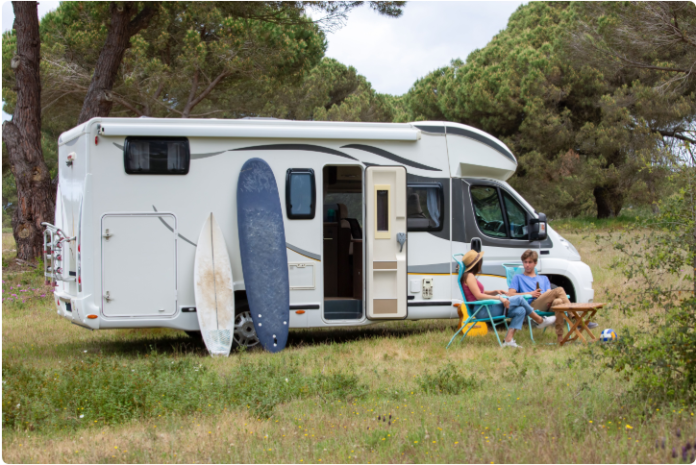
If you want the freedom to change plans often, a campervan for hire can be a practical option.
You can stay near national parks, wake up in scenic places, and avoid booking motels far in advance. That flexibility can be especially valuable during busy travel periods when accommodation fills quickly.
Still, campervan travel is not automatically cheaper. You need to factor in campsite fees, self-containment rules, and fuel use. The best choice depends on your trip length, group size, and whether you value convenience more than the lowest possible daily cost.
Keep Accommodation Costs Under Control
Even if your trip is flexible, you should still have a few overnight ideas in mind. This does not mean booking every night in advance. It means knowing where you can stay cheaply if your plans change.
In New Zealand, budget accommodation options include holiday parks, freedom camping areas where allowed, DOC campsites, hostels, and simple motels. Prices can vary a lot by location and season, so it pays to avoid popular tourist towns during peak weekends if you can.
The smartest approach is to mix paid and low-cost nights. Spend more where it matters – perhaps in a town with good food or after a long driving day – and save money on quieter nights.
That balance keeps the trip comfortable without making it expensive.
Save on Fuel and Driving Time
Fuel is one of the easiest road trip costs to underestimate. New Zealand distances may look short, but winding roads, hills, and side trips all increase consumption. If your route is too ambitious, you will spend more money just moving between places.
Try to cluster activities geographically instead of bouncing around the map. A day with one major stop and a nearby overnight base is usually cheaper than a day of constant driving. You will also be less tired, which makes the trip feel more relaxed.
It also helps to check fuel prices before leaving larger towns. Filling up in smaller or remote areas can be noticeably more expensive. Small habits like keeping speeds steady and avoiding unnecessary idling can make a real difference over a multi-week trip.
Travel in the Shoulder Season if You Can
If your dates are flexible, timing may be the easiest way to save money. New Zealand’s shoulder seasons – roughly spring and autumn – often offer better rates on vehicles, accommodation, and activities. The roads are still beautiful, but the crowds are usually smaller.
Summer is popular for a reason, but peak demand pushes prices up fast. If you travel outside the busiest weeks, you may find that a better vehicle, a cheaper campsite, and easier booking options all fall into place. That kind of breathing room is what makes a flexible trip work.
Weather can be less predictable in shoulder season, but flexibility helps with that too. If one area is wet or windy, you can shift your plans instead of sticking to a non-refundable schedule.
That is one of the biggest financial advantages of not overbooking.
Build in Free and Low-Cost Experiences
A New Zealand road trip does not need a big activity budget to be memorable. In fact, many of the best experiences are free: beaches, short walks, viewpoints, lakes, waterfalls, and scenic drives. These moments often become the highlights of the trip.
National parks and DOC-managed areas are especially useful for budget travelers. You can spend the day hiking, picnicking, or exploring without paying for a tour ticket every time. Mixing in a few paid experiences is fine, but you do not need one every day.
It is worth researching free things to do in each region before you leave. That makes it easier to stay flexible if you decide to skip an attraction or if the weather changes. A good road trip often comes from having options, not obligations.
Leave Space for Adjustments
The whole point of a flexible road trip is that you do not have to stick to a perfect plan. If a place is better than expected, stay another night. If something feels overpriced or crowded, move on.
That freedom can save money because it keeps you from paying for experiences you do not actually want.
A useful habit is to plan in blocks instead of exact daily scripts. Know your first few destinations, then keep the middle of the trip open. This gives you direction without turning the journey into a schedule you have to obey.
Conclusion
A flexible New Zealand road trip does not have to be expensive or complicated. If you set a realistic budget, choose the right vehicle, avoid overbooking, and leave room to change course, you can travel more freely and spend less. The real secret is not squeezing every dollar – it is spending where it improves the trip and saving where it does not.
If you are planning your own journey, start with one region, set a daily budget, and leave a few nights open. You will probably find that the freedom to adjust your plans is not just more enjoyable – it is also the easiest way to stay on budget.