
A well-designed home should do more than look attractive in photographs. It should make everyday activities easier, provide comfortable spaces for relaxation, and accommodate the changing needs of the people living there.
However, many homeowners focus on decorative improvements without considering how those changes will affect daily routines. A beautiful living room may lack practical storage, while an attractive backyard might offer little space for entertaining.
Thoughtful home design balances appearance with functionality. Whether you’re updating furniture, improving outdoor areas, or reconsidering how rooms connect, small changes can make your surroundings more comfortable. The key is creating a home that reflects how you actually live rather than following every new design trend.
Turn Your Backyard Into a Comfortable Living Space
Outdoor areas can become valuable extensions of the home when they are designed around everyday activities. Instead of treating the backyard as a separate space, consider how it could support dining, relaxing, entertaining, or spending time with family.
Start by identifying the activities you enjoy most. A household that frequently hosts guests might benefit from a spacious patio, while someone who prefers quiet evenings may appreciate a smaller seating area surrounded by plants.
Comfortable furniture, weather-resistant materials, and appropriate shade can make these spaces more inviting.
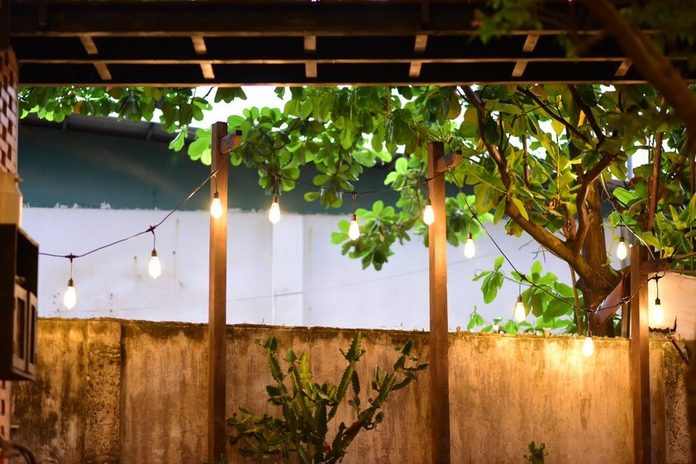
Lighting also deserves attention because outdoor areas often become less practical after sunset. Homeowners considering outdoor lighting installation can use carefully positioned fixtures to illuminate pathways, seating areas, and garden features without creating excessive brightness.
Combining comfortable seating, thoughtful landscaping, and suitable lighting creates an outdoor environment that feels connected to the rest of the home.
Choose Furniture That Supports How You Actually Live
Furniture should complement your home’s appearance without making daily activities unnecessarily difficult.
A large sectional sofa might look impressive in a showroom, but it could overwhelm a smaller living room or obstruct natural walking paths.
Before purchasing furniture, consider how frequently each room is used and who spends time there.
Families with young children may prefer durable upholstery and rounded furniture edges. Households that regularly entertain guests might benefit from flexible seating arrangements.
Multipurpose furniture can also improve functionality.
Storage ottomans, extendable dining tables, and beds with built-in drawers provide practical solutions without requiring additional floor space.
Pay attention to proportions and movement around furniture.
People should be able to walk comfortably between seating areas, doors, and frequently used storage.
The most successful furniture arrangements make rooms feel welcoming while supporting the activities that happen there every day.
Make Small Rooms Feel Open Without Removing Walls
Limited square footage does not necessarily mean a room must feel crowded.
Thoughtful furniture placement, storage solutions, and visual consistency can make compact spaces feel more comfortable.
Begin by removing items that serve little purpose or create unnecessary clutter.
Choose furniture with proportions appropriate for the room rather than automatically selecting the largest available pieces.
Wall-mounted shelves can provide storage without occupying valuable floor space, while furniture with visible legs may create a lighter appearance.
Mirrors can help distribute natural light and make certain rooms feel more open.
However, placement matters more than simply adding reflective surfaces.
Position mirrors where they reflect windows, attractive features, or open areas rather than cluttered corners.
Consistent colors and carefully selected decorative pieces can also reduce visual distractions.
The goal is not to make every room appear empty but to create enough breathing space for comfortable movement.
Connect Indoor and Outdoor Spaces Through Consistent Design
A home often feels more spacious when indoor and outdoor areas share a cohesive design.
This connection does not require expensive renovations or major structural changes.
Simple choices involving colors, materials, and furniture styles can create visual continuity.
For example, a living room with natural wood furniture might connect beautifully with a patio featuring wooden accents and neutral outdoor cushions.
Similar flooring tones or complementary textures can strengthen the relationship between spaces.
Large windows and glass doors can also help establish a visual connection with the surrounding landscape.
However, functionality should guide these decisions.
Consider how people move between indoor and outdoor areas, particularly during gatherings.
Easy access, comfortable transitions, and suitable furniture placement can make both spaces more useful.
A connected design encourages homeowners to enjoy their entire property rather than concentrating activities inside a few rooms.
Use Natural Materials to Create a Warmer Atmosphere
Natural materials can introduce texture, warmth, and visual interest into contemporary interiors.
Wood, stone, cotton, linen, and woven fibers work well across different design styles, from traditional homes to minimalist spaces.
For example, a wooden coffee table can soften a room dominated by metal and glass.
Linen curtains may create a relaxed atmosphere, while textured rugs can make seating areas feel more comfortable.
Indoor plants can also introduce natural color and provide an attractive connection to outdoor surroundings.
However, materials should be selected according to practical needs.
Some natural surfaces require regular maintenance or may be unsuitable for areas exposed to moisture.
Homeowners with pets or young children should also consider durability and cleaning requirements.
Rather than filling every room with decorative elements, introduce a few carefully selected textures.
This approach creates visual warmth without making the interior feel overly busy.
Create Dedicated Spaces for Everyday Family Activities
Modern homes often serve several purposes beyond eating, sleeping, and relaxing.
Family members may work remotely, complete school assignments, exercise, pursue hobbies, or entertain guests in the same space.
Without thoughtful organization, these activities can compete for limited room.
Creating dedicated activity zones helps establish clearer boundaries.
A quiet corner with a desk and appropriate storage can become a practical workspace.
Children may benefit from an organized area for homework, reading, or creative activities.
Even shared rooms can accommodate different functions through furniture placement, rugs, shelving, or movable partitions.
Consider noise levels and access to natural light when deciding where activities should happen.
A workspace positioned beside a television may create unnecessary distractions.
Designing around daily routines makes the home easier to manage while allowing family members to enjoy their preferred activities.
Improve Storage Without Sacrificing Your Personal Style
Clutter can make even a beautifully decorated home feel uncomfortable.
However, adding more cabinets or storage containers is not always the solution.
Effective storage begins with understanding which belongings are used regularly and where they are needed.
Frequently used items should remain accessible, while seasonal decorations and occasional-use belongings can be stored elsewhere.
Built-in shelving, entryway benches, and furniture with concealed compartments can help organize everyday essentials.
In kitchens, drawer organizers and vertical storage may improve access to utensils and cooking equipment.
Bedrooms can benefit from thoughtfully arranged wardrobes and under-bed storage.
Storage solutions should also complement the home’s design.
Matching finishes, consistent materials, and simple organizational systems can maintain visual harmony.
The objective is to reduce daily frustration rather than create complicated systems that require constant maintenance.
Plan Home Improvements Around Changing Lifestyle Needs
A home that works perfectly today may require adjustments as household circumstances change.
Children grow older, work arrangements evolve, and family members may develop different mobility or accessibility needs.
Considering these possibilities during renovations can help homeowners make more practical decisions.
For example, flexible guest rooms can accommodate visitors today and potentially serve as home offices later.
Wider walkways, accessible storage, and comfortable seating arrangements can support different generations living under one roof.
Durable materials and timeless finishes may also reduce the need for frequent decorative updates.
Before beginning a project, identify which improvements will make everyday routines easier.
Avoid making changes solely because a particular style is popular.
A thoughtfully designed home should remain comfortable and adaptable as life evolves.
Ultimately, successful home design is not measured by how closely a space resembles a magazine photograph. It is reflected in how naturally the home supports relaxation, connection, productivity, and everyday living.