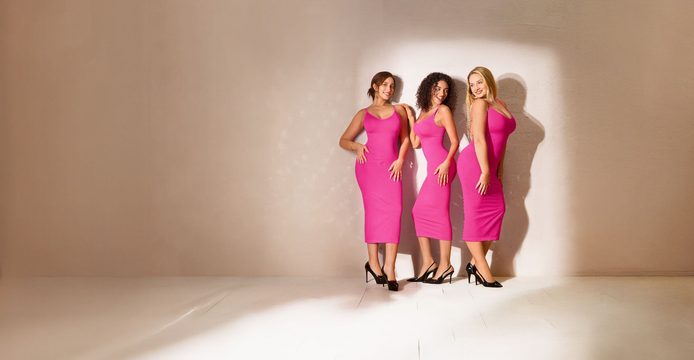

Choosing a shapewear dress can feel confusing when you want a sculpted fit without feeling squeezed. This guide explains how to measure your body, compare sizes, evaluate compression, and check comfort so you can choose a dress that feels supportive and moves with you.
Take Accurate Body Measurements
Start with a soft measuring tape and wear lightweight underwear. Stand naturally, keep the tape level, and measure without pulling it tight. Record your measurements in the units the brand uses, usually inches or centimeters.
Measure Your Bust
Wrap the tape around the fullest part of your bust and across your back. Keep your arms relaxed, and make sure the tape rests against your body without pressing into breast tissue. If you plan to wear a bra with the dress, measure while wearing that bra. Use your full bust measurement, rather than your bra band size, when checking the dress’s size chart.
Measure Your Waist
Find your natural waist by bending gently to one side and noticing where your torso creases. This is usually above your belly button, though its position varies. Stand upright again and measure around that point while breathing normally. Avoid sucking in your stomach or measuring where you want the dress to make your waist appear smaller.
Measure Your Hips
Stand with your feet together and measure around the fullest part of your hips and buttocks. Use a mirror to check that the tape stays horizontal across your back. Move the tape slightly up or down to find the fullest circumference. Measuring too high can underestimate the room you need and lead to a dress that pulls across your lower body.
Select Your Best Size
Treat your measurements as the starting point. Your usual clothing size can provide context, but it should not override the chart for the dress you’re buying.
Use the Brand’s Size Chart
Compare your bust, waist, and hips with the chart attached to the specific product. Check whether the numbers describe body measurements or garment dimensions, since these are not interchangeable.
Choose Based on Your Largest Measurement
“Largest measurement” means the measurement that requires the largest size on the chart. It does not automatically mean your hips because their circumference is greater. For example, if your bust and waist match medium but your hips match large, start by considering large unless the brand advises otherwise. If that leaves substantial room elsewhere, a different cut may fit better than either size.
Check the Dress Length
Look for the listed dress length and the point from which it is measured. Compare it with a dress you own that falls where you want it to. Your height, torso length, and curves can affect where the hem lands. A model’s photo is a useful reference, but avoid choosing a larger size solely to gain length.
Consider Compression and Stretch
Size, compression, and stretch work together. A dress can fit closely while allowing movement, but a tight fit alone does not tell you whether it provides the support you want.
Choose the Right Compression Level
Light compression generally offers gentle smoothing, while firmer options create a more held-in feel. However, compression labels are not necessarily consistent across brands. Consider how you’ll wear the dress. For a day involving commuting, sitting, and dining, prioritize sustained comfort. If you prefer firmer shaping, choose a style designed for that effect and confirm that it still allows comfortable movement.
Check How Much the Fabric Stretches
Read the fabric description for stretch direction, lining, and shaping panels. The outer dress may stretch more freely than its inner shaping layer, so consider the entire construction. Fiber percentages alone cannot tell you exactly how a dress will fit. Customer reviews that mention measurements and movement can add context, but use them alongside the size chart rather than as a replacement.
Do Not Size Down for Extra Compression
Choose the size intended for your current measurements. Buying smaller can create pulling, digging edges, or an uneven fit instead of the smooth appearance you want. If the correct size feels less supportive than you prefer, look for a firmer construction rather than forcing a smaller dress to fit.
Try On the Shapewear Dress
Check the return conditions before your fitting, and keep any required tags or hygiene liners in place. Try the dress with the underwear and bra you expect to wear.
Check Your Breathing and Comfort
Once the dress is on, let it settle into position and take several normal, full breaths. You should be able to breathe comfortably without adjusting your posture to create room. Notice pressure around your ribs, waist, bust, and straps. A supportive fit should feel secure without pain or pinching. Remove the dress if it causes numbness or makes breathing difficult.
Sit, Walk, and Bend in the Dress
Spend several minutes sitting in a chair, walking around, and bending as you would during the day. Raise your arms and check whether the neckline or hem shifts excessively. Pay attention to pressure when seated, not just the standing fit. If the dress requires constant tugging after ordinary movements, reassess the size, length, or cut before keeping it.
Look for Rolling, Bunching, or Bulging
Check the front, sides, and back in a mirror. Look for fabric gathering at the waist, shaping edges digging in, or a hem that repeatedly rides up. These signs do not always mean the dress is too small. Bunching can indicate excess length, while rolling may reflect a mismatch between the garment’s proportions and yours. Smooth the layers once, then repeat the movement check.
Adjust the Size for Your Body Shape
Your measurements may not align neatly with one chart column. Use your proportions to evaluate the dress’s construction, rather than expecting a size change to solve every fit issue.
Focus on the Area That Needs Support
Decide where you want the most support, such as your midsection, bust, or hips. Then check whether the dress’s shaping features are positioned to support that area. For midsection smoothing, look for shaping coverage that sits comfortably across your abdomen. For bust support, examine the neckline and internal construction. A close-fitting bodice alone may not provide the support you prefer.
Consider Different Bust and Hip Proportions
If your hips need a larger size than your bust, look for a design with enough lower-body room and an upper section that stays secure. If your bust requires more room, prioritize adequate coverage without flattening or spillage. When measurements span several sizes, contact the brand with your numbers. A different silhouette may fit more comfortably than sizing up or down repeatedly.
Look for Adjustable Features
Adjustable straps can help position the neckline and bodice, while adjustable closures may allow limited changes in fit. Check the product description to confirm which features are included. Use adjustments to refine a suitable size. Straps should hold the dress in place without digging into your shoulders, and tightening them should not be necessary to compensate for an oversized bodice.
As you compare styles, consider the Feelingirl Seamless Midi Body Shaper Dress. Check its size guide against your bust, waist, and hip measurements, paying particular attention to any area that falls into a different size range. If your proportions span multiple sizes, ask the brand for sizing advice before ordering to help you find a comfortable, supportive fit.
Conclusions
The right shapewear dress size starts with accurate measurements and the product’s own chart. From there, consider compression, length, and how the design accommodates your proportions. Keep the dress that feels supportive while you breathe, sit, and move comfortably. If you’re constantly adjusting it, reconsider the size or style. A good fit should make wearing the dress easier throughout your day.