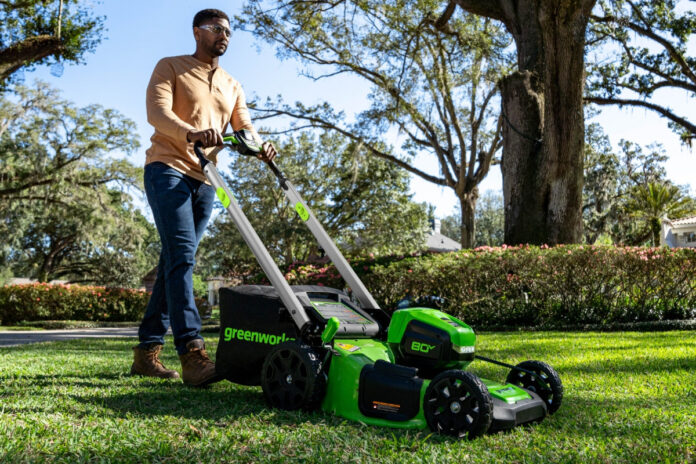

Maintaining a healthy lawn often seems straightforward until it’s time to buy equipment. Many homeowners purchase tools based on price or popularity, only to discover that a mower is too large for tight spaces, a battery doesn’t last long enough, or a trimmer lacks the power for thicker weeds. The result is wasted time, unnecessary effort, and equipment that doesn’t quite fit the job.
The best lawn equipment isn’t necessarily the biggest or most powerful—it’s the equipment that matches your property’s size, terrain, and maintenance routine. Whether you have a compact suburban yard or several acres of open space, choosing the right tools helps you work more efficiently while keeping your lawn healthy throughout the year.
Lawn equipment refers to the machines and hand tools used for mowing, trimming, edging, pruning, watering, and maintaining outdoor spaces. Selecting equipment based on yard size, terrain, and maintenance frequency helps homeowners complete routine lawn care more efficiently while reducing operating costs and physical effort.
Why Yard Size Should Guide Your Equipment Choices
Every property has different maintenance requirements. A small city lot with a few flower beds requires different lawn care tools than a half-acre property with mature trees and landscaped borders.
Choosing equipment that matches your yard size offers several benefits:
- Improves efficiency by reducing unnecessary work
- Minimizes maintenance costs
- Reduces physical strain
- Improves lawn health through consistent care
- Makes storage easier
- Avoids overspending on features you may never use
Instead of focusing only on horsepower or cutting width, think about how often you’ll mow, how much trimming is required, and whether your yard includes slopes, obstacles, or extensive landscaping.
Key Factors to Consider Before Buying Lawn Equipment
Measure Your Lawn
Before comparing equipment, estimate the amount of grass you’ll actually maintain.
Many properties include:
- Driveways
- Patios
- Decks
- Garden beds
- Trees
- Walkways
Subtracting these areas gives a better estimate of mowing space and helps determine the appropriate equipment size.
Evaluate Your Terrain
Flat lawns generally allow faster mowing and simpler equipment choices.
However, uneven terrain may require:
- Self-propelled mowers
- Lightweight cordless equipment
- Better traction
- Adjustable cutting heights
Steep slopes often make lighter equipment safer and easier to maneuver.
Consider Obstacles
A yard with numerous trees, fences, raised beds, and decorative landscaping requires more trimming and edging than a wide-open lawn.
In these cases, maneuverability can be more valuable than maximum cutting width.
Choosing Equipment for Small Yards (Up to ¼ Acre)
Small residential lots usually don’t require heavy-duty equipment.
Recommended yard tools include:
- Push mower
- Battery-powered string trimmer
- Hand pruners
- Leaf rake
- Garden hose
- Compact blower
Many homeowners also prefer lightweight battery-powered tools because they’re easier to store and require less maintenance than gas-powered alternatives.
When comparing different battery systems, it can be useful to review options such as greenworks lawn equipment to understand battery compatibility, runtime, and the range of equipment available for routine residential outdoor maintenance.
Typical Runtime Example
For a lawn around 5,000 square feet:
- Mowing: 25–35 minutes
- Trimming: 10–15 minutes
- Blowing debris: 10 minutes
One or two fully charged batteries are often sufficient for routine weekly maintenance.
Choosing Equipment for Medium Yards (¼ to ½ Acre)
Medium-sized lawns benefit from equipment that balances power with convenience.
Useful equipment includes:
- Self-propelled mower
- String trimmer
- Lawn edger
- Leaf blower
- Hedge trimmer
- Garden cart
Battery-powered systems with interchangeable batteries become increasingly practical because multiple tools can share the same power source.
Self-propelled mowers also reduce fatigue during longer mowing sessions.
Choosing Equipment for Large Yards (Over ½ Acre)
Larger properties place greater demands on both equipment and runtime.
Many homeowners choose:
- Riding mower or lawn tractor
- High-capacity blower
- Extended-runtime trimmer
- Heavy-duty hedge trimmer
- Wheelbarrow or utility cart
- Multiple battery packs or gas-powered equipment
Longer mowing sessions often justify larger cutting decks that reduce the total number of passes.
For properties approaching an acre or more, efficiency becomes just as important as cutting quality.
Battery-Powered vs. Gas Equipment
Modern battery technology has made cordless equipment a practical choice for many homeowners.
Battery Equipment
Advantages
- Quiet operation
- Lower maintenance
- Push-button starting
- No gasoline storage
- Less vibration
- Lower emissions
Limitations
- Limited runtime
- Battery replacement costs
- Longer charging time
Gas Equipment
Advantages
- Long operating time
- High power output
- Suitable for larger properties
Limitations
- More maintenance
- Louder operation
- Fuel storage requirements
- Engine servicing
For most suburban properties under half an acre, battery-powered equipment often provides enough runtime for weekly lawn maintenance.
Comparison Table: Equipment by Yard Size
| Yard Size | Recommended Mower | Additional Tools | Best Power Option |
| Up to ¼ acre | Push mower | Trimmer, rake, pruners | Battery |
| ¼–½ acre | Self-propelled mower | Blower, edger, hedge trimmer | Battery or gas |
| ½–1 acre | Large self-propelled or riding mower | Full maintenance toolkit | Battery with spare batteries or gas |
| Over 1 acre | Riding mower or lawn tractor | Heavy-duty equipment | Gas or commercial-grade battery systems |
Don’t Forget the Supporting Tools
A mower handles only part of lawn maintenance.
Additional yard tools often include:
String Trimmer
Useful around:
- Fence lines
- Trees
- Garden beds
- Mailboxes
Lawn Edger
Creates clean borders along:
- Sidewalks
- Driveways
- Flower beds
Leaf Blower
Helpful for:
- Grass clippings
- Leaves
- Small twigs
- Patio cleanup
Hedge Trimmer
Maintains:
- Privacy hedges
- Foundation shrubs
- Decorative bushes
Hand Pruners
Ideal for:
- Flowers
- Small branches
- Seasonal cleanup
These tools complement mowing and contribute to a healthier, better-maintained landscape.
Matching Equipment to Seasonal Needs
Spring
Focus on:
- Lawn cleanup
- First mowing
- Edging
- Pruning damaged branches
Summer
Regular maintenance includes:
- Weekly mowing
- Weed trimming
- Watering
- Shrub maintenance
Fall
Prioritize:
- Leaf removal
- Final trimming
- Garden cleanup
- Equipment inspection
Winter
This is an excellent time for:
- Blade sharpening
- Battery maintenance
- Cleaning equipment
- Replacing worn parts
Proper mower blade maintenance helps produce cleaner cuts that reduce stress on grass. Many university extension lawn care guidelines recommend sharpening blades at least once per growing season and mowing at the appropriate height for your grass type.
Best Practices & Pro Tips
- Choose cutting width based on your lawn size, not simply the largest available option.
- Keep mower blades sharp for cleaner cuts and healthier grass.
- Clean equipment after every use to remove grass buildup and moisture.
- Charge batteries after cooling rather than immediately after heavy use.
- Store batteries indoors during extremely hot or cold weather.
- Inspect moving parts regularly for loose hardware or worn components.
- Use hearing and eye protection when operating powered equipment. OSHA’s yard equipment safety recommendations offer additional guidance for safe operation around rotating blades and flying debris:
- Replace trimmer line before it becomes excessively worn to maintain cutting efficiency.
- Match mowing frequency to grass growth rather than following a fixed calendar.
Real-World Equipment Examples
Compact Suburban Yard
A homeowner with a 4,500-square-foot lot may only need:
- Push mower
- Battery trimmer
- Leaf blower
- Hand pruners
Storage space is often limited, making compact equipment a practical choice.
Family Home on One-Third Acre
A moderately landscaped property with mature trees typically benefits from:
- Self-propelled mower
- Hedge trimmer
- Lawn edger
- Blower
- Wheelbarrow
Interchangeable batteries help simplify weekly maintenance.
Large Rural Property
A property approaching one acre may require:
- Riding mower
- High-capacity blower
- Extended-runtime trimmer
- Heavy-duty pruning tools
Long mowing sessions make cutting width and runtime important considerations.
Common Buying Mistakes to Avoid
Many homeowners purchase equipment that doesn’t match their actual needs.
Some common mistakes include:
- Buying oversized equipment for small lots
- Ignoring storage space
- Choosing incompatible battery systems
- Overlooking terrain challenges
- Focusing only on purchase price instead of long-term maintenance
- Skipping essential tools like trimmers and pruners
A balanced equipment collection often provides better value than investing heavily in a single machine.
Build Your Equipment Collection Over Time
Choosing the right lawn equipment is less about owning every available tool and more about selecting equipment that fits your property and maintenance routine. Start with the essentials a mower, trimmer, and basic hand tools then expand your collection as your landscaping needs change.
As your yard matures, additional tools such as edgers, hedge trimmers, and blowers can make seasonal tasks easier without adding unnecessary complexity. By matching lawn care tools, cordless equipment, and other yard tools to your lawn’s size and layout, you’ll spend less time struggling with the wrong equipment and more time enjoying a healthier, well-maintained outdoor space for years to come.