
Key Takeaways
- Choose a stone that suits your cooking habits, cleaning routine, design preferences, and budget.
- Natural variation is part of the stone’s appeal, so view the full slab before approving it.
- Sealers can improve stain resistance, but they do not make a surface stain-proof or acid-proof.
- Clear quotes should cover slab selection, cut-outs, edges, joins, installation, and care requirements.
- Daily habits such as wiping spills, using boards, and protecting the surface from heat can prevent many common issues.
Table of Contents
- Why Natural Stone Suits Modern Kitchens
- Match the Surface to Daily Life
- Compare Common Stone Types
- Choose Color and Finish
- Plan Practical Design Details
- Build a Care Routine
- Check the Quote and Safety Plan
- Frequently Asked Questions
A natural-stone kitchen benchtop can make an everyday workspace feel more personal, durable, and connected to the rest of the home. Whether you are considering granite, marble, quartzite, limestone, or travertine benchtop in Sydney, the best result comes from balancing appearance with how your household actually cooks, cleans, and entertains.
Natural stone is not a single material with one set of rules. Every slab has its own color movement, porosity, hardness, and maintenance needs. Choosing well means looking beyond a showroom sample and planning for daily use, fabrication details, safe installation, and simple long-term care.
Why Natural Stone Suits Modern Kitchens
Stone works across classic, coastal, rustic, minimalist, and contemporary kitchens because it can be both a feature and a quiet backdrop. A softly veined surface paired with timber cabinetry and brushed metal fixtures can feel warm without becoming overly decorative. However, visual impact should never be the only deciding factor. A busy family kitchen needs a surface that suits both its real workload and its style.
Match the Surface to Daily Life
Start with honest questions about how the kitchen will be used. Consider how often meals are made from scratch, whether children use the island, how frequently oils, spices, citrus, vinegar, and red wine appear, and whether spills are usually wiped immediately. Also consider whether small marks will feel like a welcome character or an ongoing frustration.
Quick Lifestyle Questions
- Does the benchtop handle heavy cooking every day?
- Will hot cookware be placed near the preparation area regularly?
- Are you comfortable arranging periodic sealing when recommended?
- Would you prefer a highly polished look or a softer, more forgiving finish?
Compare Common Stone Types
There is no universal best stone for countertops. Granite is valued for its hardness; marble provides a refined appearance but scratches easily. Quartzite offers dramatic aesthetics and durability, though slab consistency should be verified. Limestone is softer in character, while travertine requires attention to filling and sealing. When comparing options, consider hardness, porosity, acid sensitivity, heat tolerance, and maintenance. While stone is typically heat-resistant, avoid sudden temperature changes. Use mild cleaning products and remove spills promptly to maintain the countertop’s integrity.
Choose Color and Finish
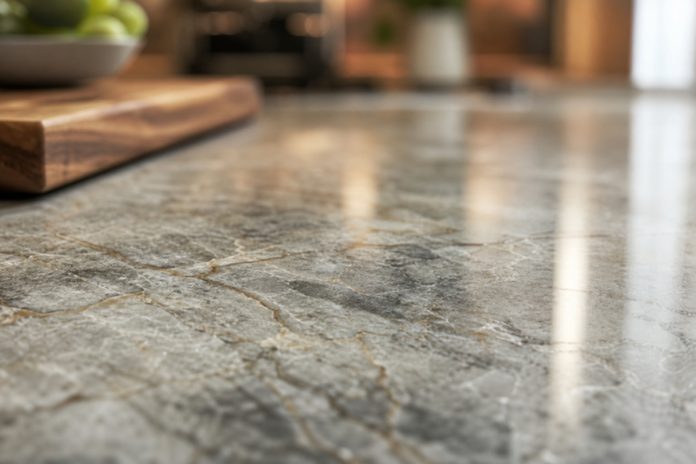
Light stone can make a compact kitchen feel open, while dark surfaces can create contrast and a more dramatic focal point. Strong veining may make an island memorable, but it can also visually dominate a small room. Polished finishes reflect more light and generally look formal; honed finishes create a softer appearance but may show oils or marks differently. Always inspect a full slab beside cabinet doors, flooring, splashbacks, and natural light before final approval.
Plan Practical Design Details
Small fabrication choices affect both appearance and cost. A simple square edge is usually understated and efficient, while rounded edges may be more comfortable in family spaces. Waterfall ends can give an island a seamless look, but require additional material and careful vein matching. Confirm the position of every sink, cooktop, tap, power point, join, overhang, and seating area before cutting begins.
Planning Steps
- Finalize cabinet, appliance, plumbing, and electrical positions.
- Select the edge profile and discuss any required support for overhangs.
- Review slab direction, vein placement, and visible joins.
- Approve the final template and slab layout before fabrication starts.
Build a Care Routine
For daily care, wipe spills promptly with a soft cloth and a mild stone-safe cleaner, then dry the surface to reduce residue. Use chopping boards rather than cutting directly on the benchtop, and place mats beneath appliances that may scratch when moved. Each week, clean around sink edges, joints, and splash zones, then look for chips, dull patches, stains, or changes in texture.
Avoid acidic cleaners, vinegar, lemon juice, harsh bleach, abrasive powders, and unapproved solvents. Acid-sensitive stones can develop etching, which is a dull or lighter mark caused by a chemical reaction rather than a conventional stain. Sealing can slow the absorption of some liquids, but it cannot prevent every mark. Follow the supplier’s care plan, and seek professional advice if the water quickly darkens the surface.
Check the Quote and Safety Plan
When comparing quotes, ensure they specify details such as the stone type, slab thickness, finish, measured area, edge profile, cut-outs, joins, transport, installation, old benchtop removal, sealing, warranty, and plumbing or electrical reconnection responsibilities. Inquire about repair handling for any potential chips, cracks, or installation issues. Fabrication and installation must be performed responsibly, with attention to dust control and waste management. In Australia, adherence to safety regulations is crucial, necessitating trained professionals familiar with the latest material and safety standards for engineered stone benchtops.
Frequently Asked Questions
Is natural stone hard to maintain?
It depends on the stone type, finish, and kitchen use. Many surfaces need only gentle daily cleaning, while porous or acid-sensitive materials need more attentive spill management.
Can hot pans go directly on stone?
Use trivets or heat mats. Even a generally heat-tolerant stone can be affected by sudden exposure to heat or thermal shock.
Should you view the full slab before ordering?
Yes. A small sample cannot show the complete pattern, color variation, natural pits, or vein direction across a benchtop or island.
What is the best stone for a busy kitchen?
The best choice balances resilience, stain resistance, appearance, budget, and the amount of care you are prepared to provide.
Conclusion
A successful natural-stone benchtop is not simply the hardest or most expensive option. It is the one that fits the kitchen’s design, the household’s habits, and the owner’s maintenance routine. With thoughtful slab selection, clear fabrication planning, safe installation, and consistent care, natural stone can remain a practical and character-rich kitchen feature for years.