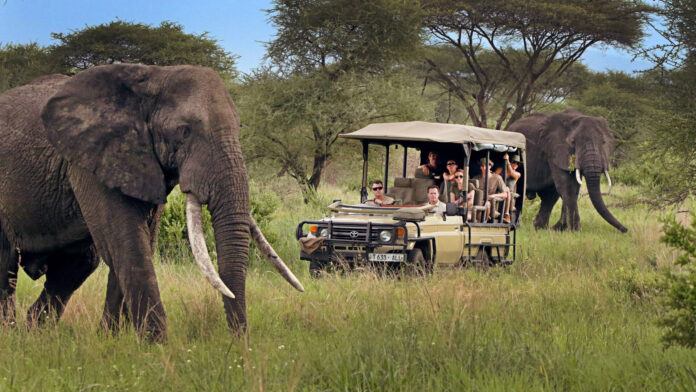

Picking the wrong tanzania safari company doesn’t just risk a disappointing trip, it can mean a vehicle breakdown two hours from the nearest town, a guide who doesn’t know where the herds actually are, or a deposit paid to an operator who never delivers. With migration season pulling bookings in fast right now, here’s exactly what separates a reliable operator from a risky one.
Check for Valid Licensing First
Every legitimate operator in Tanzania holds a TALA license (Tour Operator’s License), issued by the Ministry of Natural Resources and Tourism, and is typically a member of TATO (Tanzania Association of Tour Operators). These aren’t formalities. They’re the baseline confirmation that a company is operating legally and is accountable to an industry body if something goes wrong. Ask directly for the company’s TALA license number if it isn’t listed on their site, and treat hesitation as a red flag.
Look Past the Company’s Own Website
A polished website tells you a company can hire a good web designer. It tells you almost nothing about whether they’ll show up with a working vehicle on day three of your trip. Check independent platforms instead: TripAdvisor, SafariBookings, and Google reviews carry far more weight than testimonials curated on the operator’s own site, simply because they can’t be edited out after the fact.
Look for repeated, independent recommendations across multiple forums rather than one or two glowing mentions. A company that comes up consistently across Reddit travel threads, TripAdvisor forums, and SafariBookings reviews over several years has a track record that’s much harder to fake than a handful of testimonials.
Operating History Matters More Than Marketing
Five years in business is a reasonable minimum. Ten or more suggests a company has weathered Tanzania’s tourism cycles, including the years when bookings dried up, and kept its vehicles, guides, and reputation intact through it. Roy Safaris has been operating from Arusha since 1989, which puts it among the longer-established names in the region, and that kind of longevity tends to track with operational stability: well-maintained vehicles, guides who’ve stayed with the company for years rather than months, and systems that have been refined over decades rather than built last season.
Get an Itemized Quote, Not a Lump Sum
A trustworthy operator sends a quote that breaks down every cost: park fees specific to TANAPA and NCAA, vehicle and fuel, your named driver-guide, accommodation tier, meals, and government taxes, with clear exclusions for flights, visa, insurance, and tips. If a quote arrives as a single number with no breakdown, you have no way to tell whether you’re paying a fair operator margin or an inflated one. Ask for the itemized version before sending any deposit.
Ask About Vehicle Specifics, Not Just “4×4”
Every operator will tell you they use 4×4 vehicles. What matters is the detail: how many vehicles do they actually run, how old is the fleet, and does it include the right setup for your priorities. A photographer wanting unobstructed window space and stable platforms for long lenses needs a different setup than a family of five wanting comfort and air conditioning. Roy Safaris runs a fleet of 24 custom-built safari vehicles designed around exactly this range of traveler needs, from dedicated photography setups to family-friendly comfort builds, which is worth asking any operator you’re considering whether they can match.
Private vs Shared, and Why It Matters More Than the Brochure Suggests
Confirm upfront whether your safari is strictly private or whether you might be grouped with other travelers to fill a vehicle. Some companies advertise “personalized” itineraries that are really fixed group departures with minor tweaks. A genuinely private safari means your vehicle, your pace, and your ability to linger at a sighting or skip a stop without negotiating with strangers in the back seat.
Watch for the Broker Markup
Some companies marketed as “Tanzania safari companies” are actually brokers who pass your booking to a ground operator and add a margin in between, sometimes 15 to 25 percent on top of the real operator’s price. This isn’t inherently dishonest, brokers can add real value through curation and customer service, but you should know which one you’re dealing with. Ask directly: does this company own and operate its own vehicles and employ its own guides, or does it subcontract to someone else?
The Short Checklist Before You Pay a Deposit
Valid TALA license and TATO membership confirmed. Independent reviews checked across at least two platforms, not just the company’s own site. Operating history of five years minimum, ideally a decade or more. Itemized quote received, not a lump sum. Clear answer on whether the company owns its own vehicles or subcontracts. Confirmation of private versus shared vehicle status in writing.
A tanzania safari company that passes all six checks isn’t necessarily the cheapest option you’ll find, but it’s the one least likely to cost you a ruined trip. Roy Safaris meets every point on this list, with TALA licensing, decades of operating history from Arusha, a fleet it owns and maintains directly, and a strictly private-trip model with no broker layer in between you and your safari.