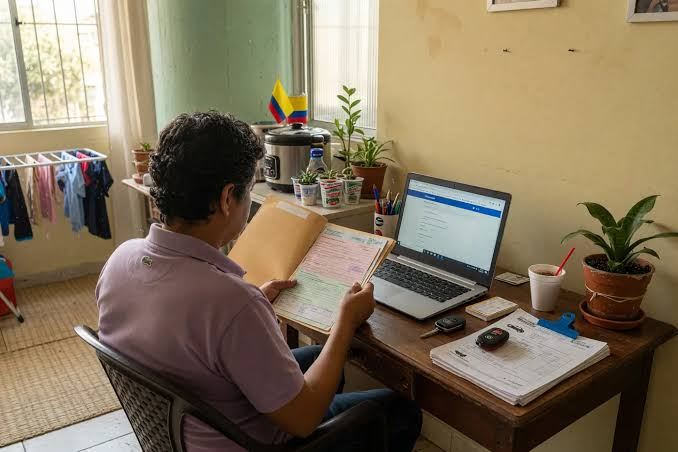

RUNT is Colombia’s Registro Único Naci’onal de Tránsito, the national database that holds the official legal record for every registered vehicle and driver in the country. A RUNT check confirms who owns a vehicle, whether it has pending fines, whether it’s currently pledged as collateral, and whether its mandatory insurance is up to date. You can run this check using either the vehicle’s plate number or the owner’s cedula, depending on what you’re trying to confirm.
What Information RUNT Holds
RUNT centralizes several categories of data that used to require separate office visits to confirm:
- Vehicle registration details — make, model, year, and color as officially recorded.
- Ownership history — how many times the vehicle has changed hands and when.
- Liens (prendas) — whether the vehicle currently secures a loan.
- Traffic fines — infractions linked to the plate through Colombia’s SIMIT system.
- SOAT and technical-mechanical review status — whether mandatory documents are current.
- Driver’s license status, when the lookup is tied to a cedula rather than a plate.
Checking by Plate Number
Step 1: Write down the plate exactly as it appears on the vehicle. No spaces, and double-check easily confused characters like “0” versus “O.”
Step 2: Use a free plate-lookup tool. A quick way to check RUNT placa y cedula 2026 is entering the plate directly into an online lookup, which returns the vehicle’s current legal and registration status without requiring an account.
Step 3: Read the full result, not just the top line. A clean-looking summary can still have an active lien or unpaid fine listed further down — both matter as much as a stolen-vehicle flag would.
Step 4: Cross-check any listed fines against SIMIT if something looks off. Very recent infractions sometimes take a few days to sync between systems.
Checking by Cedula
A cedula-based lookup is useful when you want to confirm what’s registered under a specific person rather than a specific vehicle — for example, checking how many vehicles or licenses are associated with someone’s identity document. This is common in due-diligence situations: confirming a seller genuinely owns the vehicle they’re offering, or verifying your own driving record ahead of renewing a license.
The process mirrors a plate check: enter the cedula number exactly as issued, with no spaces or extra characters, and the system returns the associated vehicle and license records tied to that identity.
Why This Check Matters Before a Transaction
Skipping a RUNT check before buying a used car is one of the most common ways private buyers end up with someone else’s unresolved problem. An unreleased lien means the vehicle legally can’t be transferred to you yet, no matter what the seller says. Unpaid fines can follow the plate rather than the previous owner. None of this is visible from a test drive or a look at the paperwork the seller hands you — it only shows up in the official registry.
Common Situations Where This Check Is Useful
Buying a used vehicle from a private seller. Confirms ownership, liens, and fines before any money changes hands.
Verifying your own vehicle before a road trip. Random document checks happen at highway checkpoints in parts of Colombia, and confirming SOAT and technical review status in advance avoids a surprise.
Resolving a dispute over a family or shared vehicle. The ownership history section settles who is officially the registered owner.
Confirming a seller’s identity in a private sale. A cedula check verifies that the person offering the vehicle is actually who they claim to be and genuinely associated with the plate in question.
Common Mistakes to Avoid
- Entering the plate or cedula with incorrect formatting. Most lookup tools expect the number exactly as printed, without spaces or dashes.
- Stopping at the fines section and skipping liens. An active prenda blocks a legal transfer regardless of the fine history.
- Not rechecking closer to the actual transaction date. A vehicle’s status can change in the days between an initial check and a final sale, especially if a fine or lien posts in between.
- Treating a valid SOAT as proof of a clean legal record. SOAT and ownership/lien status are separate fields entirely.
FAQs
Is a RUNT check free? Yes, both plate-based and cedula-based lookups are free and don’t require account creation.
What does an active lien mean for a used-car purchase? It means the vehicle is currently pledged as collateral and can’t be legally transferred until the lien is released.
Can I check someone else’s driving record with their cedula? You can check what vehicles or license details are officially registered to a given cedula, which is commonly used to verify a seller’s identity before a transaction.
How current is the fine data in a RUNT result? Most fines appear within a few days of being issued, though very recent ones can take slightly longer to sync from SIMIT.
What’s the difference between checking by plate versus by cedula? A plate check centers on one vehicle’s full record; a cedula check shows what’s registered under a specific person, which can include multiple vehicles or license details.
Final Thoughts
A RUNT check by plate or cedula takes a couple of minutes and can prevent months of legal complications tied to an unreleased lien, an unpaid fine, or a misrepresented ownership history. Whether you’re buying, selling, or simply confirming your own vehicle’s status, running this check before finalizing any transaction is one of the simplest ways to protect yourself.