
Table Of Contents
- Introduction
- Why a Fragrance Wardrobe Helps
- How Weather Changes Scent
- The Main Fragrance Families
- Choosing Scents by Season
- Matching Fragrance to Occasion
- Building a Small Rotation
- How to Test a Fragrance
- Common Fragrance Mistakes
- Fragrance Trends in 2026
- Frequently Asked Questions
- Final Thoughts
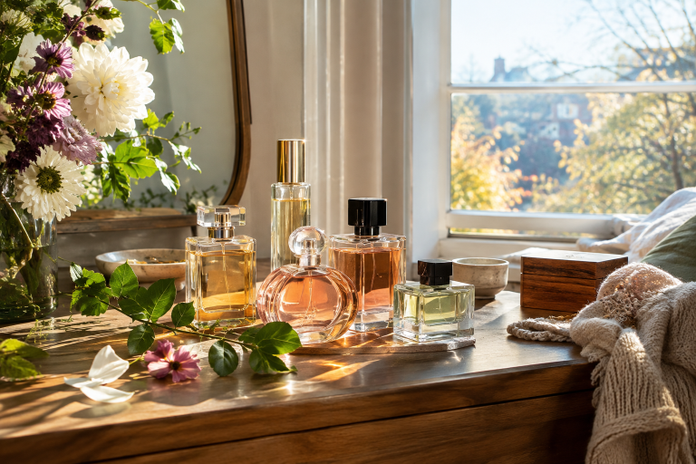
A fragrance wardrobe is simply a small, practical selection of scents that gives you options when the weather, your plans, or your mood changes. Instead of expecting one bottle to handle every situation, choose fragrances that feel comfortable in the settings you actually encounter. A warm amber perfume, for example, may be ideal for a cool dinner out but feel too rich for a humid afternoon.
The goal is not to collect every fragrance style or follow every trend. A useful wardrobe can be built around a few scents you genuinely enjoy wearing, with enough variety for work, relaxed weekends, travel, evenings, and changing temperatures.
Why a Fragrance Wardrobe Helps
One fragrance can certainly become a signature, but it may not suit every environment. A bright citrus scent may feel effortless at the office or while running errands, while a deeper woody or resinous scent may be more satisfying for an evening event. A small rotation lets you make a choice based on comfort, setting, and personal taste rather than popularity alone.
Think of fragrance as a finishing detail, not a rulebook. The best option is one that fits your day and does not overwhelm you or the people sharing your space.
How Weather Changes Scent
Temperature and air conditions can affect how a fragrance feels. Heat can make a scent seem stronger and more noticeable soon after application, so a light hand is usually sensible in summer. Cold air can make fragrance seem quieter, which is one reason warmer woods, spices, and musks can feel especially comfortable in cooler months.
Humidity, dry skin, indoor heating, air conditioning, and wind also influence your experience. In hot or humid weather, start with fewer sprays. In dry winter conditions, applying fragrance to moisturized skin may help it feel more even and comfortable. These are useful guidelines, not limits. If a scent makes you feel good and suits the setting, it can work outside its usual season.
The Main Fragrance Families
Fragrance descriptions are not always exact, but understanding how fragrance families are organized can make shopping less confusing. Most scents blend several directions rather than fitting into only one category.
- Fresh: Citrus, green, herbal, airy, or aquatic impressions.
- Floral: Flower-led scents that can be delicate, creamy, bright, or lush.
- Woody: Dry, smooth, earthy, or polished notes that add structure.
- Spicy: Peppery, aromatic, warm, or energetic character.
- Musky: Soft, clean, powdery, or skin-like effects.
- Resinous: Deep, balsamic, smoky, warm, or sweet-toned accords.
Choosing Scents by Season
Spring
Green notes, soft florals, gentle fruit, and light woods suit changeable spring weather. Look for a scent with freshness for mild afternoons and enough softness for cool mornings.
Summer
Citrus, herbs, airy florals, aquatic notes, and clean musks are easy starting points. Dense sweetness can feel more intense in heat, so reduce the number of sprays before deciding a fragrance is too strong.
Autumn
Woods, tea notes, dry fruits, soft spices, and restrained resins can bridge warm afternoons and cooler evenings. Balanced compositions often offer more flexibility than immediately choosing the richest possible scent.
Winter
Warm woods, spices, musks, leather-like accords, vanilla-style sweetness, and resins can feel inviting in cold weather. Moisturize first if your skin is very dry, then apply modestly and let the scent develop.
Matching Fragrance to Occasion
- Office: Choose fresh, soft woody, clean musk, or gentle floral styles with moderate projection.
- Casual day: Citrus, green notes, fruit, or relaxed woods prioritize ease and comfort.
- Evening: Explore spice, musk, woods, floral depth, or resinous warmth, then give the fragrance time before reapplying.
- Formal event: Polished florals, smooth woods, and elegant warm accords can work well. Keep the venue and close seating in mind.
- Travel: Bring a versatile scent that is easy to wear and store it away from direct heat.
Building a Small Rotation
- Start with one everyday scent that feels easy in most situations.
- Add a fresher option for warm weather, daytime, or shared spaces.
- Choose a deeper scent for cool weather, evenings, or occasions when you want more presence.
- Consider one flexible fragrance that can move between seasons.
A three-scent wardrobe is enough for many people: one fresh, one versatile, and one warm or expressive option. Buy samples or smaller sizes first when possible. Your climate, schedule, budget, and preferences matter more than owning a bottle from every family.
How to Test a Fragrance
- Spray on clean skin and avoid testing too many scents at once.
- Give the opening several minutes before making a judgment.
- Check it again after about 30 minutes and later in the day.
- Notice how it feels in the weather and setting where you expect to wear it.
- Write down the application amount, weather, and wear time if you are comparing options.
Paper strips are useful for a quick first impression, but skin wear reveals more of the fragrance’s development. Avoid rubbing your wrists together after spraying, and test only two or three scents in one session to prevent scent fatigue.
Common Fragrance Mistakes
- Buying solely because a scent is popular.
- Judging it only by the first few seconds.
- Overapplying in heat, crowds, or small indoor spaces.
- Assuming a higher price guarantees better performance.
- Ignoring dry skin, climate, or the intended setting.
- Storing bottles in direct sunlight, a hot car, or a humid bathroom.
- Letting gender labels or seasonal labels override personal preference.
Fragrance Trends in 2026
In 2026, a practical fragrance wardrobe still favors personal choice over excess. Skin-close scents, adaptable compositions, and smaller rotations appeal because they can fit real routines without requiring a large collection. Exploring common scent categories can help you identify what you enjoy, but testing remains more valuable than buying based on a trend.
Frequently Asked Questions
Does Every Season Require a Different Fragrance?
No. One versatile fragrance can work year-round. Seasonal choices are helpful when you want to adjust intensity and comfort.
How Many Fragrances Should a Beginner Own?
Two or three well-tested fragrances are a sensible start: one everyday option, one fresh option, and one deeper option.
Can Warm Fragrances Be Worn in Summer?
Yes. Apply lightly, consider evening wear, and choose versions balanced with citrus, airy florals, or fresh notes.
Is Fragrance Concentration a Guarantee of Longevity?
No. Concentration can influence performance, but the formula, your skin, the weather, and application amount also matter.
Final Thoughts
The best fragrance wardrobe is personal, practical, and easy to use. Let weather and occasion guide your choice, but let comfort make the final decision. A few carefully tested fragrances can provide plenty of variety without making scent selection complicated.