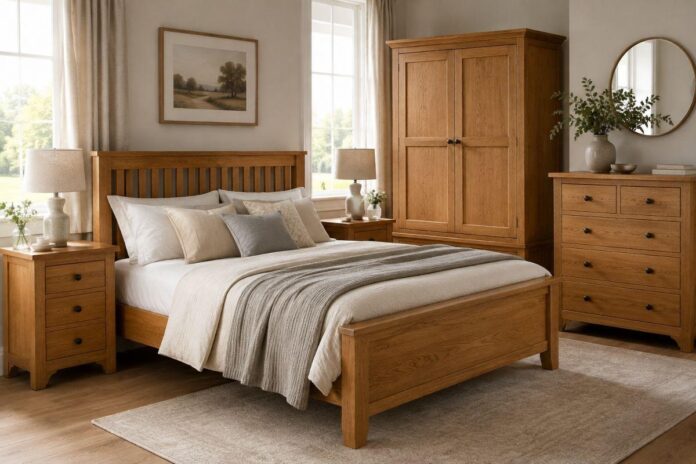

A bedroom should feel restful, organised and comfortable, but achieving that balance depends heavily on the furniture you choose. Storage must be practical, surfaces should be easy to use, and every piece needs to work together without making the room feel crowded. Oak Bedroom Furniture offers a reliable solution because it combines natural character, everyday functionality and a style that can adapt to changing interiors.
Unlike furniture built around short-lived trends, oak pieces tend to look settled and familiar. Their visible grain adds warmth, while their sturdy construction makes them suitable for regular use. From beds and wardrobes to chests of drawers and bedside tables, oak can create a bedroom that feels coordinated without appearing overly formal.
Start with the Needs of the Room
Before choosing furniture, consider how the bedroom is used. A main bedroom may require generous clothing storage, two bedside tables and a substantial bed frame. A guest room may need fewer pieces, while a smaller bedroom must make efficient use of every available area.
Begin by identifying the essential items. In most rooms, the bed will be the largest and most important feature. Storage is usually the next priority, followed by smaller pieces such as bedside cabinets, dressing tables or blanket boxes.
Planning the room in this order reduces the risk of buying attractive furniture that does not fit comfortably. Measure the walls, doorways and available floor space before making decisions. It is also helpful to check where radiators, sockets and windows are located, as these can affect the final layout.
Why Oak Works So Well in Bedrooms
Oak has a naturally warm appearance that complements the relaxed purpose of a bedroom. Its grain introduces texture without requiring bold colours or heavy decoration. This makes it suitable for homeowners who want a calm interior with enough character to avoid looking plain.
The timber also works with many design styles. A light oak finish can support a modern, Scandinavian-inspired room, while darker or more traditional designs suit country homes and classic interiors. Oak can also be paired with painted furniture, metal lighting, soft upholstery and natural fabrics.
Another advantage is longevity. Bedroom furniture is used every day, so doors, drawers, frames and handles need to withstand repeated movement. Well-made oak furniture can offer the strength required for this regular use while maintaining an attractive finish.
Choose the Bed as the Main Feature
The bed usually determines the visual direction of the room. An oak bed frame brings a sense of structure and can become a strong focal point without dominating the space.
Simple frames with clean lines suit contemporary bedrooms, while panelled headboards or thicker posts create a more traditional appearance. The right choice depends on the size of the room and the atmosphere you want to create.
A large frame may look impressive, but it should not restrict movement. Allow sufficient space around the sides and foot of the bed so that the room remains easy to use. In compact bedrooms, a lower frame with a simple headboard can make the space feel more open.
The mattress size must also be considered carefully. Measure the entire bed frame rather than relying only on the mattress dimensions, as headboards and side rails can add significant width and length.
Make Storage Work Harder
Good storage is essential for maintaining a peaceful bedroom. Clothes, bedding, accessories and personal items can quickly create clutter when there is no clear place to keep them.
Wardrobes provide the main hanging space, but their internal design matters just as much as their exterior. Some people need full-length hanging space for dresses and coats, while others benefit from shelves, drawers or double rails.
A chest of drawers can store folded clothing and smaller items while providing a useful surface for a mirror, lamp or decorative accessories. Tall chests are suitable for narrow rooms because they offer storage without taking up excessive floor space. Wider models can balance a large wall and may also function as a dressing area.
When viewing collections from Oak Furniture UK, compare the internal capacity and overall dimensions rather than choosing solely by appearance. Furniture is only valuable when it fits both the room and the owner’s daily routine.
Use Bedside Furniture Thoughtfully
Bedside tables may be small, but they contribute significantly to the comfort and balance of a bedroom. They provide a convenient place for lighting, books, glasses, phones and other essentials.
In a double bedroom, matching tables can create symmetry, although identical pieces are not always necessary. Two designs of a similar height and timber tone can still look coordinated. In a smaller room, one table may be enough, particularly if the bed is positioned against a wall.
Choose a height that works with the mattress. A bedside surface that is much lower or higher than the bed can feel awkward to use. Drawers offer hidden storage, while an open shelf can make a small piece appear lighter.
Keep the surface relatively clear. A lamp, a book and one personal item are often enough to make the area practical without creating visual clutter.
Create a Cohesive Look Without Overmatching
A coordinated bedroom does not need to resemble a furniture showroom. Using too many identical pieces can make the space feel rigid or impersonal. Instead, look for subtle connections between different items.
Similar wood tones, handle finishes or design details can create consistency even when the furniture comes from different ranges. An oak bed may work well with painted bedside cabinets if the room includes other natural materials and warm colours.
Soft furnishings can help bring everything together. Linen bedding, wool throws, neutral rugs and upholstered seating soften the appearance of timber and create a more comfortable atmosphere.
Wall colours also influence how oak appears. Warm whites, soft greys, muted greens and gentle blues tend to complement its natural grain. Deeper colours can create contrast and give lighter oak furniture greater visual impact.
Avoid Overcrowding the Bedroom
It is tempting to include every possible storage piece, but too much furniture can make the bedroom feel smaller and less relaxing. Each item should serve a clear purpose.
Leave enough open floor space to move comfortably. A room often looks more polished when the furniture is given breathing room rather than pushed into every corner.
Multifunctional pieces can help in compact spaces. A blanket box may provide storage while acting as a bench, and a chest of drawers can double as a dressing surface. Choosing fewer pieces with better capacity is often more effective than filling the room with several small units.
Care for Oak Properly
Oak furniture is relatively straightforward to maintain. Dust it regularly with a soft cloth and clean spills as soon as possible. Avoid abrasive products and strong chemical cleaners, as they may damage the finish.
Use coasters beneath drinks and protective mats under plant pots or decorative items. Keep furniture away from excessive moisture and direct heat where possible. Placing a large oak piece immediately beside a radiator may cause the timber to dry unevenly over time.
Sunlight can gradually change the tone of natural wood. Curtains or blinds can reduce strong exposure, while moving lamps and accessories occasionally helps prevent uneven marks.
Handles, hinges and drawer runners should also be checked from time to time. Addressing a loose fitting early can help prevent unnecessary strain or damage.
A Bedroom Designed for Everyday Comfort
The best bedroom furniture does more than fill an empty space. It improves storage, supports daily routines and contributes to a calmer environment. Oak offers a combination of durability, warmth and flexibility that makes it suitable for many types of homes.
By planning the layout carefully, choosing storage around real needs and avoiding unnecessary clutter, homeowners can create a bedroom that remains comfortable and practical for years. Well-chosen oak pieces provide the foundation, while thoughtful colours, fabrics and accessories complete the room.