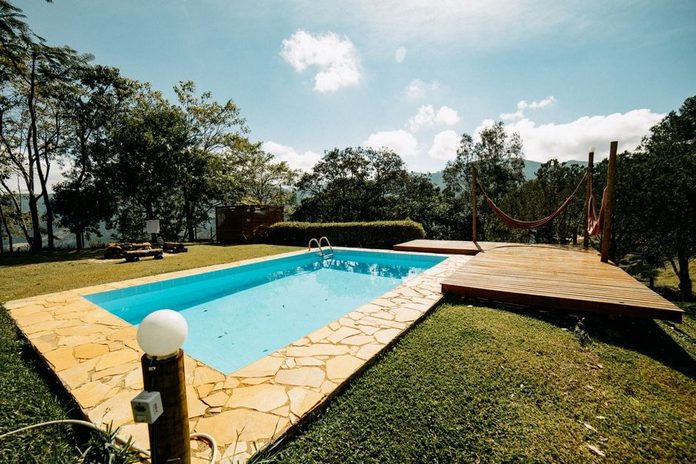

A well-planned outdoor space can change how you relax, entertain, and spend time with family at home. Adding a pool can take that experience further, creating a place for everyday downtime, weekend gatherings, and more enjoyment from your backyard.
For homeowners in Tampa, a pool can be especially appealing because warm weather and an outdoor-oriented lifestyle create plenty of opportunities to use the space throughout the year. Still, building one that works well in everyday life takes more than choosing a shape and imagining weekend floats. Thoughtful design, realistic budgeting, durable materials, smart placement, and a clear understanding of how the finished space will be used can make the difference between a pool that simply looks good and one that genuinely improves how you live at home.
Start With How You Actually Want to Use the Pool
Before you think about tile color or tanning ledges, get honest about how you’ll use the pool.
Your answer affects almost every design decision, from depth to layout to add-ons. A lap pool for exercise needs a very different footprint than a family pool built for games, kids, and casual entertaining.
Ask yourself a few practical questions:
– Do you want space for exercise, lounging, or both?
– Will young children or older relatives use it often?
– Are you hosting parties, or keeping it private and quiet?
– Do you want a spa, sun shelf, waterfall, or outdoor kitchen nearby?
A lot of people overbuild features they rarely use. That dramatic rock waterfall might look incredible on day one, then become the expensive background character no one asked for. Focus first on function. Style works better when the layout already fits your life.
Choose a Builder Who Understands Local Conditions
A pool in Florida deals with different conditions than one in a drier or cooler region. Tampa properties often bring specific challenges tied to heat, rain, soil, drainage, and storm prep.
That local context affects everything from grading to equipment placement. Working with experienced pool builders in Tampa can help you avoid design choices that look good on paper but create headaches later.
When you compare builders, pay attention to more than glossy photos. Look for:
– Experience with local permitting and code requirements
– Knowledge of drainage and flood-prone yard issues
– A clear construction timeline
– Transparent warranty details
– Strong communication during design and build phases
– Real examples of completed work in your area
Ask direct questions. Who handles permits? What happens if weather delays the schedule? How will the crew protect existing landscaping or hardscape? If a builder gets slippery with specifics, treat that as a preview, not a fluke.
Budget for More Than the Pool Shell
The pool itself is only part of the financial picture. The full project often includes permits, excavation, decking, drainage work, fencing, lighting, landscaping, and equipment.
That broader budget matters because small upgrades add up fast. Better finishes, automation systems, upgraded pavers, and heating options can quietly push the final price well past your original estimate.
Keep your planning grounded with these cost categories:
– Design and engineering
– Permits and inspections
– Pool construction and interior finish
– Decking and coping
– Pumps, filters, and sanitation systems
– Fencing and safety features
– Landscaping and outdoor living elements
– Ongoing maintenance and utility costs
Give yourself a contingency cushion too. Soil conditions, drainage surprises, and material delays have a way of showing up uninvited. Home improvement has a habit of acting confident right up until your yard gets opened up.
Think About Maintenance Before Construction Begins
A pool should feel relaxing, not like a second part-time job with chlorine. Maintenance decisions start during the design stage, not after the water goes in.
The shape of the pool, the finish materials, surrounding trees, equipment quality, and sanitation setup all affect how much work you’ll deal with week to week. A stunning design can become annoying fast if debris collects in awkward corners or equipment is difficult to access.
Here are a few choices that make ownership easier:
– Install automation for pumps, lighting, and temperature
– Choose efficient filtration and circulation systems
– Plan deck drainage to reduce runoff into the pool
– Avoid heavy leaf-drop areas when possible
– Leave enough room around equipment for servicing
– Consider saltwater systems if they suit your preferences
Maintenance also includes chemistry checks, cleaning, seasonal storms, and occasional repairs. The goal isn’t zero upkeep. That’s fantasy territory. The goal is a setup that stays manageable and predictable.
Design the Surrounding Space, Not Just the Water
The best pool projects work because the whole backyard feels connected. The pool is the anchor, but the surrounding space is what turns it into a place you actually want to spend time.
Think about shade, seating, storage, lighting, and movement. A beautiful pool loses some charm when everyone has to balance towels on patio chairs and squint through direct afternoon sun like they’re on a survival show.
A functional backyard plan often includes:
– Shaded lounge areas or pergolas
– Outdoor dining space
– Storage for towels and pool gear
– Pathways that stay safe when wet
– Landscape choices that won’t dump constant debris into the water
– Lighting for evening use and atmosphere
Try to match materials and colors with your home’s architecture. A sleek modern pool beside a Mediterranean-style house can work, but only if the transitions feel deliberate. Random design choices tend to age badly. Cohesion usually looks more expensive than flashy upgrades.
Understand the Timeline and Prepare for Disruption
Pool construction is exciting, but it’s still construction. Your yard will become a work zone for a while, and the timeline can shift due to weather, inspections, and material availability.
That temporary mess is easier to handle when you expect it. Dust, noise, limited access, and torn-up landscaping are part of the process. Planning for them keeps frustration lower and decision-making sharper.
A few smart preparation steps can help:
– Confirm the projected schedule in writing
– Ask which phases are most weather-sensitive
– Move fragile outdoor items before work starts
– Discuss access points for machinery and crews
– Protect pets and plan around noise
– Hold off on unrelated backyard upgrades until major construction is done
Patience counts here. Rushing decisions during the build often leads to changes you regret. If you’re investing this much into your home, it’s worth slowing down long enough to get the details right.
Build for Long-Term Enjoyment, Not Just the Reveal
The reveal is fun. The photos are fun. The first pool day feels great. Long-term enjoyment depends on choices that still make sense years later.
Aim for a pool that fits your property, supports your routine, and won’t feel dated after one design trend cycle. Durable materials, efficient equipment, thoughtful layout, and realistic upkeep plans usually beat attention-grabbing extras.
The U.S. Department of Energy notes that pool covers can reduce evaporation, help conserve water, and lower heating costs, making them a practical long-term efficiency consideration. For safety planning, the Centers for Disease Control and Prevention recommends layers of protection such as four-sided fencing, close supervision, and other measures that reduce drowning risk around residential pools.
If you approach the project with clear goals, local awareness, and the right team, your pool can become one of the best parts of your home. Not just a backyard showpiece, but a place where you cool off after a brutal Tampa afternoon, host friends without chaos, and make your outdoor space pull its weight every month of the year.