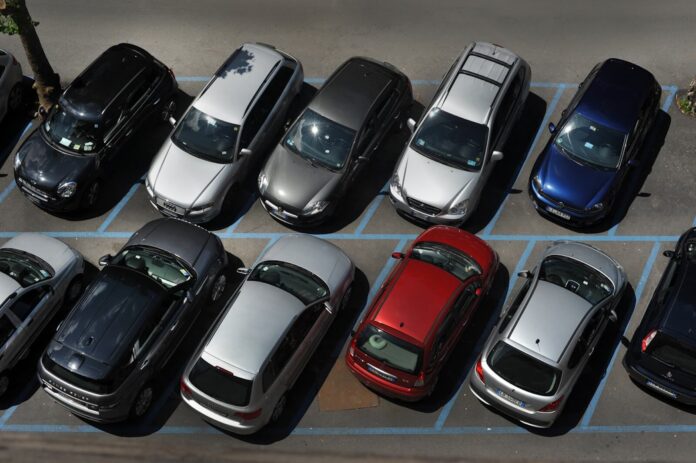

Parking in busy urban areas, especially in parking garages, takes more than just pulling into an open space. Garages often have their own rules for entry, payment, height limits, reserved sections, and time restrictions, and missing a posted notice can still lead to extra fees or towing. When you understand how parking garage systems work in busy cities, you’re more likely to avoid mistakes. Here are a few tips on how to avoid common parking mistakes in busy areas:
Read Parking Signs Carefully
Garages rely on posted rules and internal signage; ignoring a single instruction may result in towing, fines, or exit delays. Most garages define space types such as reserved spaces, permit-only spaces, hourly visitor spaces, and ADA accessible spaces that require authorization. Fire lanes and no-stopping zones inside garages are strictly enforced, even for brief stops.
Garages also use operational signs that control driving and parking behavior. Height clearance limits apply at entrances and within lower levels; exceeding them results in vehicle damage or denial of entry. Directional arrows control one-way traffic through ramps and levels, and drivers must follow them to prevent collisions or entry into restricted areas. Payment instructions such as pay-on-entry systems, ticket validation, or license plate recognition determine stay duration and applicable rates.
When multiple signs are present, enforcement priority follows a clear order. Safety restrictions such as fire lanes and tow-away zones take precedence. Next are space designations such as reserved and accessible spaces. Payment and time rules follow after those. Temporary signage for events or maintenance overrides standard posted rules within the affected areas and time periods.
Avoid Illegal Parking Practices
Some violations in parking garages occur based on how drivers position their vehicles in confined spaces. Blocking travel lanes inside ramps, aisles, or intersections disrupts circulation and creates congestion during peak entry and exit periods. Parking outside marked stall lines reduces usable space and restricts movement for other vehicles.
Blocking garage entrances, exits, driveways, loading zones, or service areas interferes with access for residents, deliveries, and emergency response vehicles. Positioning your car in fire lanes or in front of fire safety equipment such as extinguishers or alarms violates posted safety markings and access requirements. Stopping in designated reserved or permitted spaces without authorization leads to enforcement actions, including fines or towing.
Avoid Restricted Parking Zones
Some restricted areas in garages are not always clearly marked by standard signage. Restricted zones include ADA accessible parking spaces and painted curb areas reserved for individuals with qualifying permits. Additional restrictions may apply in loading zones, service corridors, and emergency access areas inside the garage. These spaces are enforced based on posted markings and facility-specific regulations rather than general availability.
Plan Parking Before Arrival
Garages in dense urban areas follow patterns that vary by time of day, day of the week, and local demand events. A garage near a business district during weekday midday hours may experience higher entry volume and fuller occupancy than the same facility on a weekend morning. Before driving into a high-demand area, check the garage availability in advance to understand occupancy levels and entry conditions.
When garage occupancy is high, a reserved space offers a reliable alternative to searching for an open spot upon arrival. Many facilities allow advance booking through online systems or apps that secure a space before you arrive. Booking ahead helps when availability drops during peak hours in busy districts. Reserving a space in advance also reduces last-minute decisions that lead to common errors such as entering full facilities or waiting in congested entry queues.
Planning where you will park before arrival also requires factoring in your route and destination garage. Entering a dense corridor without a parking plan leads to reactive decisions in traffic with limited options. This increases the likelihood of choosing less efficient or fully occupied facilities. Knowing whether you are heading to a reserved garage or a specific facility changes how you time your arrival and which access roads you use.
Find Safe Parking Spaces
Staying updated on an area’s parking regulations and restrictions helps to avoid fines or damage to your vehicle. Garages often provide safe, reserved spaces where you can store your vehicle for a few hours or overnight. Start your search for an available parking facility today.