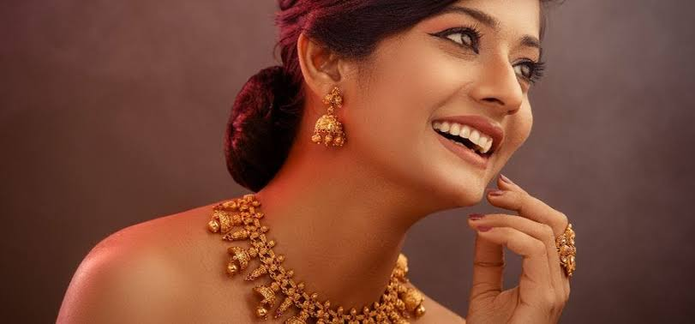

Finding the right gold necklaces can completely change the look of your outfit, whether you are getting ready for a wedding or simply want something polished for everyday wear. With so many karat options, chain styles, and pendant designs available, choosing the right piece often starts with first understanding a few things, rather than picking something based only on how it looks.
This guide will tell you how to pick gold necklaces that actually suit your style and neckline, and covers everything from karat purity to modern versus traditional designs. Retailers like Bhindi Jewelers offer a wide range of options, which makes it a really good place to compare styles once you know what you want. You will also learn practical tips for matching necklace length to different outfit styles.
22K and 18K Gold Necklaces for Women
Karat purity is one of the things to consider before shopping for gold necklaces, as it directly affects both the price and how the finished piece will look after some time. A 22k gold necklace has a higher percentage of gold, which gives it a rich, deep yellow color that many people relate with bridal and traditional jewelry. Pure gold is soft in nature, so small amounts of other metals are mixed in to add strength, while still keeping that warm, glowing tone. This is why people often save 22k for special occasions and don’t wear it every day. If worn regularly, the softer metal can wear down more quickly.
You can also get 18k gold necklaces. A slightly lower gold content is what gives 18k pieces that extra durability for daily wear, without the paleness or dullness you sometimes get in higher-karat options. Among gold necklaces for women, this karat tends to hit the sweet spot: a premium feel that still holds up to everyday use. You can wear them every day and they will not lose their shine over time. Many people also feel that it is easy to maintain 18k gold, as it doesn’t get scratches and dents easily as softer, higher-karat alternatives.
Designer Gold Necklaces for Modern and Traditional Looks
A designer gold necklace can look very different depending on which occasion you wear it. Traditional Indian designs, such as detailed beaded chains, mangalsutras, and ornate rani haars, show the brilliant craftsmanship that has gotten better over time. These pieces look very beautiful when worn at weddings, festivals, and other cultural celebrations where a bold, statement piece feels right, and it is often passed down in families from one generation to the next.
Modern designs of gold necklaces have cleaner lines and simpler pendant shapes, and they sometimes mix white gold beads or black onyx accents, as they look beautiful with the classic yellow tone. This mix of styles means people no longer have to choose only between traditional and contemporary, as many collections, including designer gold necklace lines, now offer both within the same collection and let buyers change their look depending on the occasion.
Gold Fashion Necklaces for Different Necklines
Matching a necklace to your neckline makes a big difference in how your complete outfit looks. A gold fashion necklace with a shorter chain length often looks good with crew necks and high collars, and attracts attention, and looks good with the outfit, especially when a small pendant is chosen.
For deeper necklines, such as V-necks or off-shoulder styles, choose longer pendant necklaces or layered chains as they fill the open space naturally, and create a more balanced look without looking empty. Choker-style gold necklaces work especially well with strapless or halter necklines, as they are near the collarbone, and are clearly visible, and make a simple neckline look nice.
Whenever you are confused, try a few different lengths with your outfit before buying, as it helps you know which one actually works, rather than picking based on general rules. A gold fashion necklace that looks good on someone else may not suit you, so you should always try on pieces before buying, especially when you plan to wear them often or on special occasions.
Conclusion
Choosing the right gold necklaces should start with first understanding karat purity, matching design style to the occasion, and picking a length that suits your neckline. There is a style for almost every taste and budget, whether you like a traditional 22k piece for a wedding or a simple 18k design for daily wear. If you are ready to buy, Bhindi Jewelers offers a wide range of options which include both traditional and modern designs, which makes it easier to find a piece that actually suits your style.
Frequently Asked Questions
1. What is the best karat of gold for a necklace?
18K gold is a great choice for everyday necklaces because it offers a balance of gold purity, durability, and a rich appearance. 22K gold is ideal for traditional and special-occasion jewelry.
2. How do I choose the right gold necklace for my neckline?
Choose a necklace that complements your neckline. Shorter necklaces work well with high or crew necks, while longer pendants and layered necklaces suit V-necks and deeper necklines.
3. Are 18K gold necklaces good for everyday wear?
Yes. 18K gold necklaces are durable enough for regular wear while maintaining a premium look, making them a popular choice for everyday jewelry.
4. What necklace length looks best with a V-neck dress?
Longer pendant necklaces and layered chains generally complement V-neck outfits well. They follow the shape of the neckline and create a balanced appearance.
5. What is the difference between 18K and 22K gold necklaces?
18K gold contains 75% pure gold and is more durable for everyday wear. 22K gold contains about 91.7% pure gold, giving it a richer yellow color but making it softer and better suited to special occasions.