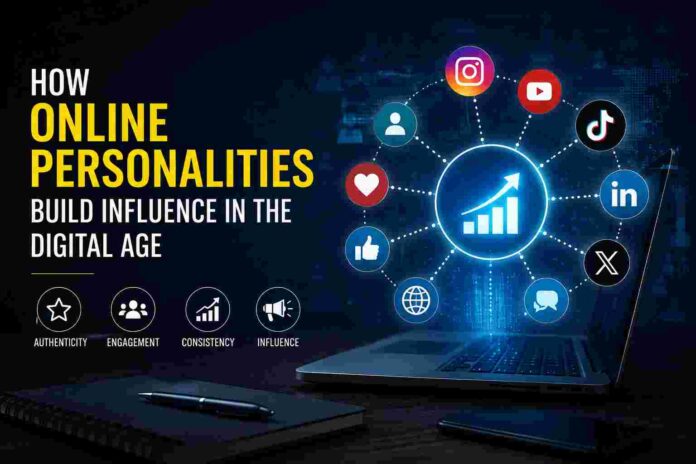

The digital age has transformed the way individuals gain recognition and connect with audiences. Today, a person’s online presence can significantly shape public perception, career opportunities, and influence. Figures such as Peyton Hardin demonstrate how public interest can grow through digital visibility, online discussions, media coverage, and audience engagement. As more people search for information about emerging personalities, the internet has become a primary source for discovering, following, and learning about individuals who attract public attention.
Unlike traditional celebrity culture, digital influence is not limited to actors, musicians, or television personalities. Entrepreneurs, content creators, athletes, commentators, and public figures can all establish meaningful audiences through online platforms.
Rise of Digital Influence
Social media platforms have created unprecedented opportunities for individuals to reach audiences around the world. Whether through short-form videos, podcasts, blogs, interviews, or social networking sites, online personalities can communicate directly with people who share their interests.
As audiences increasingly rely on the internet to discover information, interest in personalities often extends beyond social media profiles. Many users search for biographies, career updates, personal achievements, and financial success. Peyton Hardin is one example of a personality who has attracted online attention, leading readers to seek more information about his background and estimated earnings. As per paywallbypass.net, his net worth exceeds $5 million, highlighting the level of success and recognition he has achieved.
This growing curiosity reflects how audiences increasingly view financial success as one of several indicators of influence in the modern time.
Personal Branding in the Digital Era
One of the strongest foundations of online influence is personal branding. A personal brand represents how an individual presents themselves across digital platforms and how audiences perceive them.
Successful online personalities typically focus on:
- Consistent messaging
- Clear areas of expertise or interest
- Authentic communication
- Professional presentation
- Audience engagement
A strong personal brand helps establish recognition and trust. People are more likely to remember and follow individuals who maintain a clear identity and communicate consistently across different channels.
Why Visibility Matters
Digital influence is closely connected to visibility. Even highly talented individuals can struggle to build audiences if they are difficult to discover online.
Search engines, social media algorithms, online publications, and digital communities all contribute to visibility. Public figures who appear across multiple platforms often gain greater exposure and credibility.
For example, someone researching Peyton Hardin may encounter social profiles, news mentions, interviews, articles, and informational resources that provide insight into his background and public presence. Every digital touchpoint contributes to a broader online identity and helps audiences develop familiarity with the individual.
This visibility creates opportunities for audience growth and strengthens long-term influence.
Content Consistency Builds Recognition
One reason some online personalities achieve lasting influence is their ability to remain consistently visible. Audiences tend to engage more with individuals who regularly share content and maintain active communication.
Consistency may include:
- Publishing articles
- Posting social media updates
- Participating in interviews
- Sharing industry insights
- Creating educational or entertaining content
Regular activity helps audiences stay connected and encourages repeat engagement. Over time, consistent exposure can transform casual viewers into loyal followers.
Audience Engagement Creates Stronger Connections
Influence is not measured solely by follower counts. Genuine audience engagement often has a greater impact than raw numbers.
Successful online personalities frequently interact with their communities by:
- Responding to comments
- Answering questions
- Participating in discussions
- Sharing audience feedback
- Hosting live sessions
These interactions help build trust and create stronger relationships. Audiences are more likely to support personalities who acknowledge and engage with them directly.
Authenticity Remains Essential
Modern audiences value authenticity. People often connect more strongly with personalities who communicate honestly and present realistic perspectives.
Authenticity does not require sharing every aspect of personal life. Instead, it involves maintaining transparency, consistency, and credibility in public communications.
This is particularly important because digital audiences encounter countless pieces of content every day. Personalities who appear genuine often stand out from those who rely heavily on promotional messaging.
Building Authority Beyond Social Media
Many influential personalities understand that social media alone is not enough. Long-term influence often depends on developing a broader digital presence.
This can include:
- Personal websites
- News coverage
- Industry publications
- Guest articles
- Podcast appearances
- Professional profiles
As interest grows, audiences naturally look for additional sources of information. Individuals who maintain a comprehensive online presence make it easier for people to learn about their background, achievements, and public activities.
Community Building Drives Long-Term Success
Influential personalities often focus on creating communities rather than simply attracting followers.
Communities encourage:
- Ongoing engagement
- User-generated discussions
- Increased sharing
- Stronger loyalty
- Sustainable audience growth
A dedicated community can become one of the most valuable assets for maintaining influence over time.
Adapting to an Evolving Digital Landscape
Digital platforms change constantly. Algorithms shift, trends evolve, and audience preferences continue to develop.
The most successful online personalities adapt by experimenting with new content formats, exploring emerging platforms, and responding to audience interests. Flexibility helps maintain relevance and supports continued growth.
Those who embrace change are often better positioned to expand their influence and remain visible in competitive digital environments.