

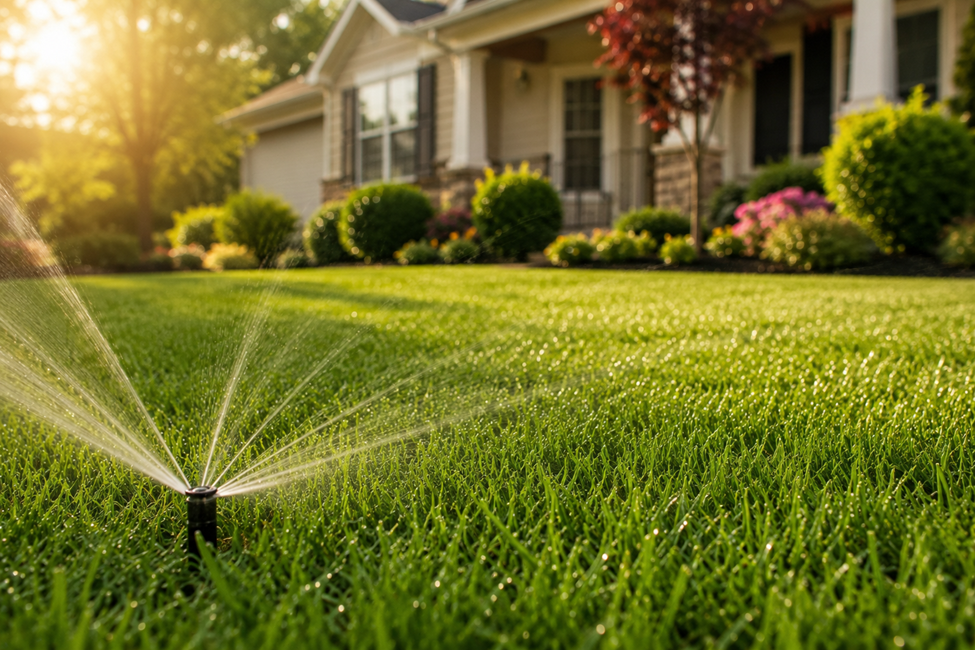
Watering your lawn seems simple enough: turn on the sprinklers, let them run, and wait for the grass to turn green. But healthy lawn watering is less about watering frequently and more about giving your grass the right amount of water at the right time.
Too little water can leave grass dry, brown, and stressed. Too much water can be just as problematic, contributing to shallow roots, soggy soil, fungal problems, weeds, and wasted water.
So, how much water does your lawn really need? For many established lawns, about 1 to 1.5 inches of water per week, including rainfall, is a useful starting point during the active growing season. However, the ideal amount depends on your grass type, soil, weather, shade, drainage, and other conditions.
Here’s how to determine what your lawn actually needs.
How Much Water Does a Lawn Need Per Week?
A general guideline for an established lawn is approximately 1 to 1.5 inches of water per week, but that doesn’t mean every lawn should automatically receive that amount from a sprinkler system.
Rainfall counts toward your lawn’s weekly water needs. If your yard receives an inch of rain, additional irrigation may be unnecessary.
Your lawn may also require adjustments based on:
- Grass species
- Soil type
- Temperature
- Humidity
- Sun exposure
- Recent rainfall
- Wind
- Drainage
- Current lawn health
The goal isn’t to follow a rigid watering schedule. It’s to provide enough moisture to encourage healthy roots without keeping the soil constantly wet.
Deep and Infrequent Watering Is Usually Better
One of the most common lawn-watering mistakes is running the sprinklers for a few minutes every day.
Frequent, shallow watering primarily moistens the upper portion of the soil. Over time, this can encourage grass roots to remain close to the surface rather than growing deeper into the soil.
Instead, established lawns generally benefit from deeper, less frequent watering.
When moisture penetrates farther into the soil, grass roots are encouraged to grow deeper in search of water. A deeper root system can help turf withstand periods of heat and temporary drought stress.
Allowing the soil surface to dry somewhat between watering sessions can also make your lawn less hospitable to certain fungal problems.
How Often Should You Water Your Lawn?
There’s no single watering schedule that’s right for every yard.
Instead of automatically watering every day, check the soil and grass before irrigating.
Depending on weather and soil conditions, many established lawns can receive their weekly water through a few deeper watering sessions rather than daily irrigation.
During rainy periods, you may not need to irrigate at all. During exceptionally hot or dry conditions, the lawn may require additional attention.
Local watering restrictions should also be considered when setting an irrigation schedule.
What Time of Day Should You Water Grass?
Early morning is generally the best time to water a lawn.
Watering early allows moisture to soak into the soil before daytime temperatures increase evaporation. Grass blades also have an opportunity to dry as the morning progresses.
Watering during the hottest part of the afternoon can result in greater water loss through evaporation.
Late-evening or nighttime watering can leave grass blades wet for extended periods, which may create conditions that favor some turf diseases.
For most homeowners, scheduling irrigation for the early morning provides a good balance between water absorption and evaporation.
How Do You Know If Your Lawn Needs Water?
Rather than relying entirely on a calendar, pay attention to what your lawn is telling you.
Common signs of water stress can include:
- Grass developing a dull or bluish-green appearance
- Blades beginning to curl or fold
- Footprints remaining visible after you walk across the lawn
- Dry soil several inches below the surface
- Grass losing some of its normal resilience
Wilting doesn’t necessarily mean you should dramatically increase watering. First, check the soil and recent rainfall to determine whether lack of moisture is actually the problem.
How Can You Tell If You’re Overwatering Your Lawn?
More water doesn’t necessarily produce greener grass.
In fact, overwatering can create several lawn problems.
Signs your lawn may be receiving too much water include:
- Constantly soggy soil
- Standing water or puddles
- Water running onto sidewalks or driveways
- Yellowing grass
- Soft or muddy areas
- Increased fungal activity
- Mushrooms appearing frequently
- Shallow grass roots
You may also notice that the lawn feels unusually soft when you walk across it.
If these symptoms appear, check your irrigation schedule before assuming your lawn needs additional fertilizer or lawn treatments.
Why Are Mushrooms Growing After I Water My Lawn?
Mushrooms tend to appear where moisture and decomposing organic material are present.
You may notice them after several rainy days, excessive irrigation, or periods when the soil remains consistently damp.
Organic materials such as buried tree roots, old stumps, thatch, wood fragments, and other decomposing plant material can provide fungi with a food source.
The mushrooms you see above ground are only the fruiting structures of a much larger fungal network living in the soil.
Overwatering can also create consistently damp conditions that encourage fungal growth. If you’re noticing mushrooms popping up after watering or rainfall, learn how to get rid of mushrooms in your lawn and prevent them from returning.
Reducing unnecessary irrigation may help make conditions less favorable for repeated mushroom growth, although removing the underlying organic material may also be necessary in some situations.
Does Your Soil Type Affect How Much You Should Water?
Absolutely.
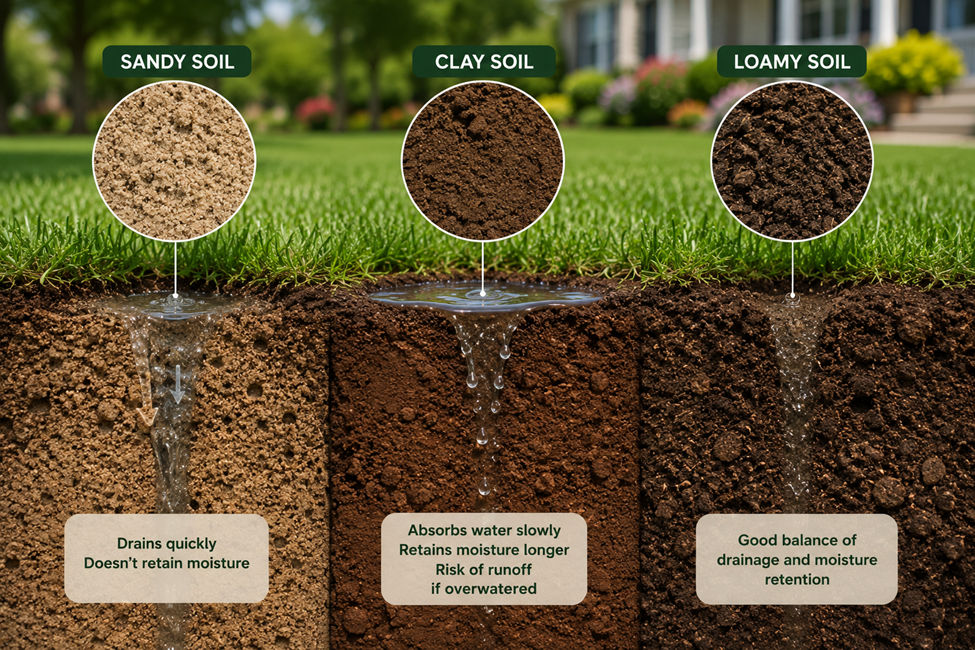
Soil type plays a major role in how quickly water enters the ground and how long moisture remains available to grass roots.
Sandy Soil
Sandy soil drains quickly and doesn’t retain moisture as long. Lawns growing in sandy soil may require watering to be divided differently than lawns growing in heavier soil.
Clay Soil
Clay soil absorbs water more slowly but can retain moisture for longer periods.
Applying too much water at once can cause runoff because water may be delivered faster than the soil can absorb it.
If this happens, using shorter irrigation cycles separated by soaking periods can allow water to penetrate the soil more effectively.
Loamy Soil
Loam typically offers a good balance between drainage and moisture retention, although irrigation needs will still depend on weather and grass type.
Understanding your soil can help you water more efficiently instead of simply increasing sprinkler run times.
Different Grass Types Have Different Water Needs
Grass species also influence irrigation requirements.
Warm-season grasses commonly used in southern lawns include:
Bermuda grass: Known for its heat and drought tolerance once established. Bermuda generally performs best when allowed to develop a strong, deep root system.
Zoysia grass: Typically has good drought tolerance once established and may require less frequent irrigation than homeowners expect.
St. Augustine grass: Performs well in warm climates but may show drought stress sooner than some other warm-season grasses.
Regardless of grass type, watering should be adjusted according to actual weather and soil conditions rather than relying exclusively on a predetermined schedule.
How to Measure How Much Water Your Sprinklers Apply
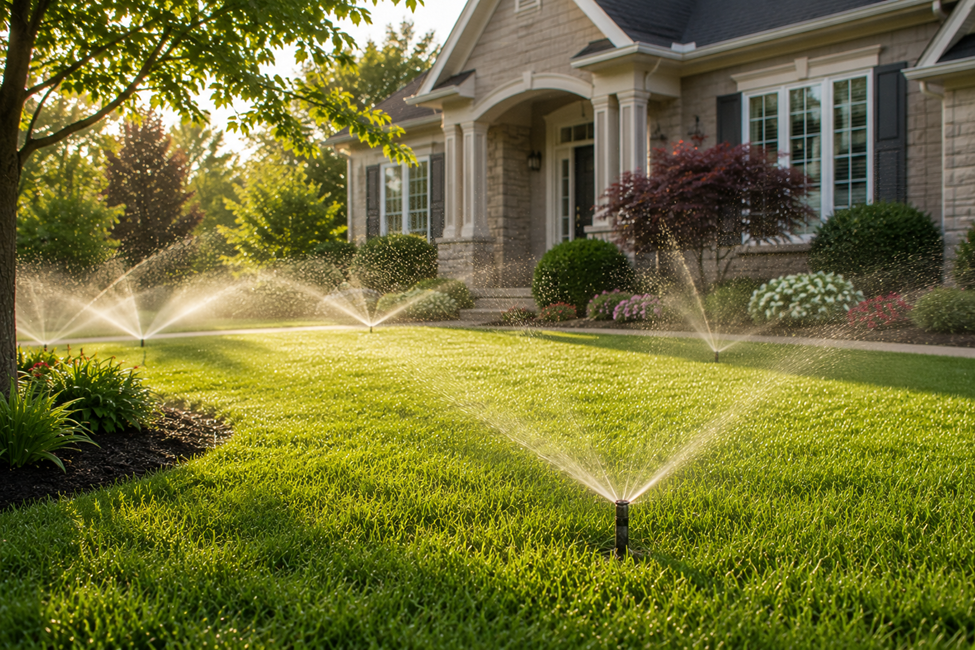
Don’t assume your irrigation system delivers the amount of water you think it does.
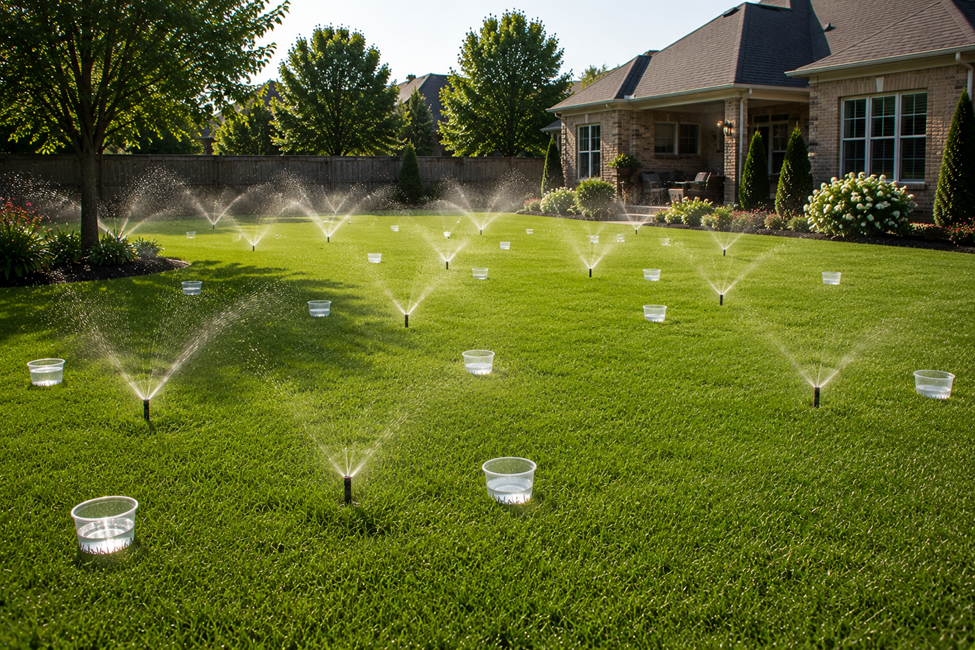
A simple way to check sprinkler output is the catch-can test.
Place several identical shallow containers or rain gauges throughout the irrigation zone. Run the sprinklers for a set amount of time and measure the water collected in each container.
For example, if your sprinklers deliver ½ inch of water in 20 minutes, you now have a much better idea of how long that zone needs to run.
Multiple containers can also reveal uneven sprinkler coverage.
If one area receives considerably more water than another, you may have:
- Misaligned sprinkler heads
- Clogged nozzles
- Poor sprinkler spacing
- Incorrect water pressure
- Broken sprinkler components
Correcting irrigation problems can improve lawn health while reducing unnecessary water use.
Don’t Forget to Account for Rainfall
One of the easiest ways to overwater a lawn is to run an automatic irrigation system immediately after significant rainfall.
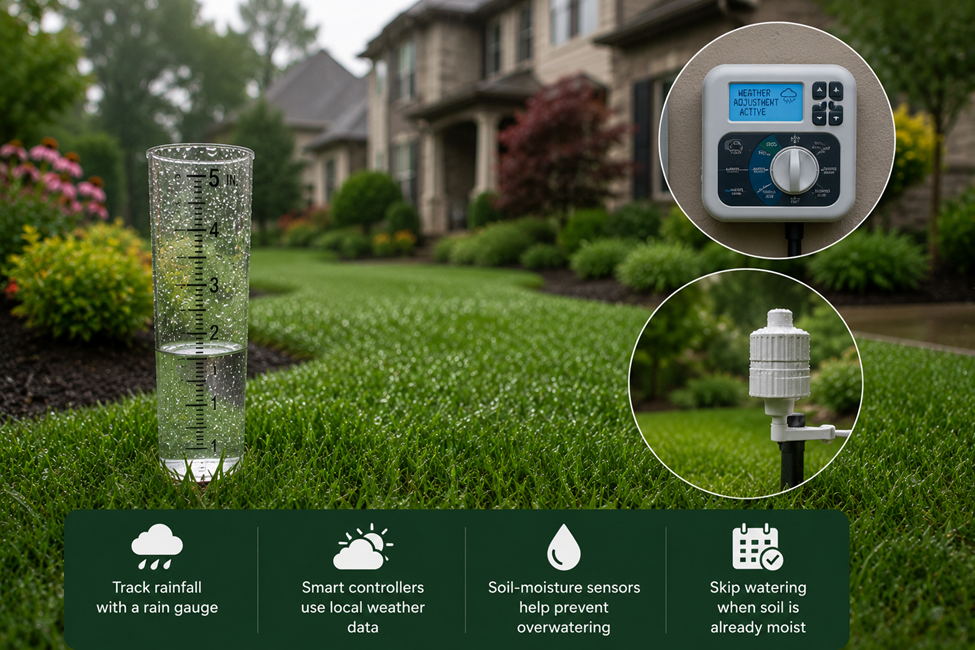
Use a rain gauge to track how much precipitation your property receives.
Many modern irrigation controllers can also use weather information or soil-moisture data to adjust watering automatically.
If your soil is already sufficiently moist, skipping the next scheduled watering is often better than adding more water simply because the irrigation timer says it’s time.
What About Newly Installed Sod?
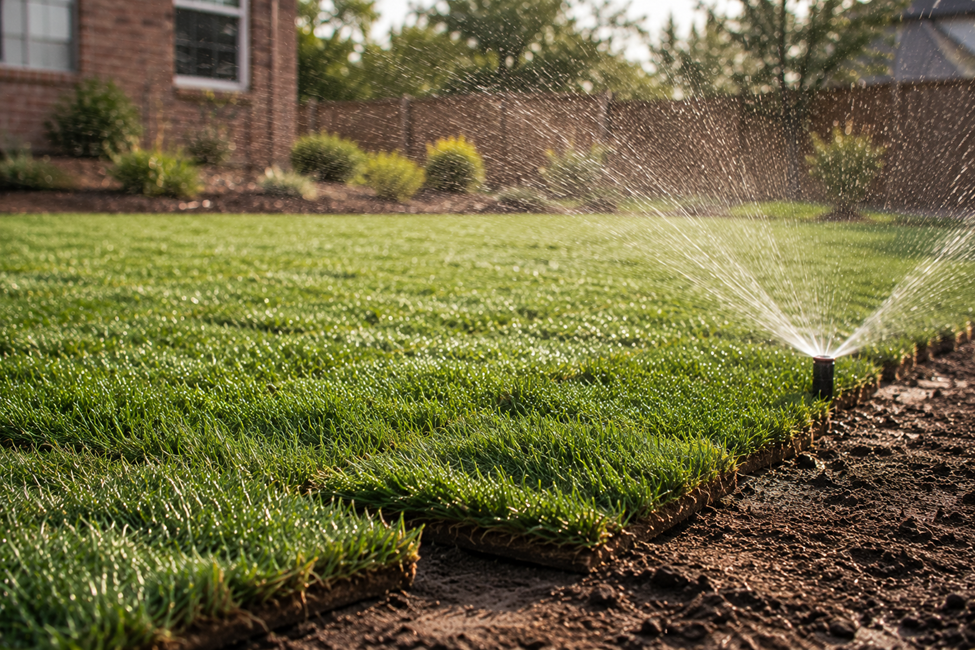
New sod is an important exception to the deep-and-infrequent watering rule.
Immediately after installation, sod has very shallow roots and needs consistent moisture while it becomes established.
During the initial establishment period, watering may need to occur more frequently to keep the sod and upper soil layer from drying out.
As roots begin growing into the underlying soil, irrigation should gradually transition toward deeper and less frequent watering.
Following the watering recommendations provided for your specific sod variety and installation conditions is especially important during this period.
Common Lawn Watering Mistakes
Even a healthy lawn can struggle when irrigation practices aren’t matched to its needs.
Some of the most common mistakes include:
- Watering every day without checking soil moisture
- Running sprinklers immediately after rainfall
- Watering too lightly
- Watering late at night
- Ignoring sprinkler leaks or broken heads
- Allowing water to run onto pavement
- Using the same schedule during every season
- Assuming every irrigation zone needs the same run time
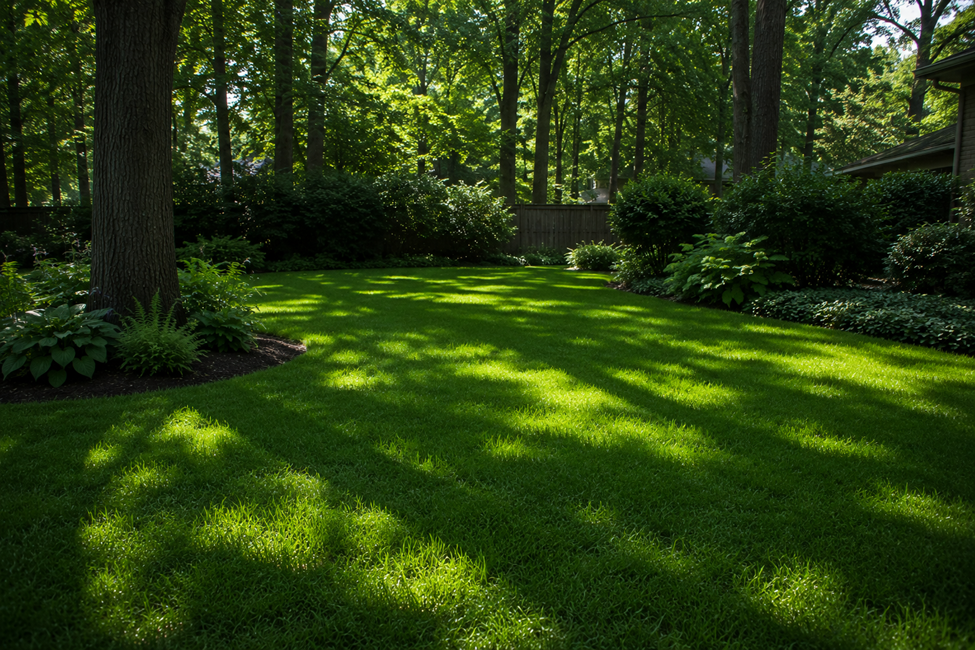
A shaded section of lawn, for example, may remain moist much longer than an area receiving full afternoon sun.
Your irrigation system should account for these differences whenever possible.
How to Water Your Lawn More Efficiently
A healthier watering routine doesn’t necessarily mean using more water.
Instead:
- Check the soil before watering. Don’t irrigate simply because it’s a scheduled watering day.
- Water early in the morning. This reduces evaporation while allowing foliage to dry.
- Water deeply rather than constantly. Encourage roots to grow farther into the soil.
- Measure sprinkler output. Use catch cans or rain gauges instead of guessing.
- Watch for runoff. If water begins flowing onto pavement, stop irrigation and allow the soil time to absorb moisture.
- Adjust for rainfall. Skip irrigation when Mother Nature has already provided enough water.
- Inspect your irrigation system. Repair leaking, clogged, tilted, or damaged sprinkler heads.
- Change your schedule seasonally. Your lawn doesn’t need the same irrigation during mild weather that it may require during hotter, drier periods.
FAQ: Lawn Watering
How much water does a lawn need each week?
Many established lawns can use approximately 1 to 1.5 inches of total water per week during active growth as a general starting point. However, rainfall, soil type, grass species, temperature, shade, and other factors can significantly change actual irrigation requirements.
Is watering grass every day bad?
Daily watering is generally unnecessary for an established lawn and can encourage shallow rooting when irrigation is consistently light. Newly installed sod is an exception because it requires more frequent moisture while becoming established.
How do I know if my lawn has enough water?
Look at both the grass and the soil. Healthy grass should generally spring back after being walked on, while drought-stressed grass may remain flattened, curl, or develop a dull bluish-green appearance.
Can too much water kill grass?
Yes. Persistently saturated soil can reduce oxygen around grass roots and contribute to weak growth, root problems, and certain diseases.
Does overwatering cause mushrooms?
Excessive watering can create the damp conditions mushrooms favor. Mushrooms are particularly likely when moisture is combined with decomposing organic material in the soil.
Should I water my lawn after it rains?
Not necessarily. Measure the rainfall and check soil moisture first. If the lawn has already received adequate water, additional irrigation may be unnecessary.
What is the best time to water a lawn?
Early morning is generally ideal because temperatures are cooler, evaporation is lower, and grass blades can dry as the day progresses.
The Bottom Line: Give Your Lawn the Water It Needs — Not More
A healthy lawn doesn’t come from running the sprinklers as often as possible.
For many established lawns, roughly 1 to 1.5 inches of total weekly water is a useful starting guideline, but your lawn’s actual needs should determine your irrigation schedule.
Pay attention to rainfall, soil moisture, grass type, weather, and signs of stress. Water deeply when irrigation is necessary, allow the soil to dry somewhat between watering sessions, and regularly check your sprinkler system for problems.
By watering according to your lawn’s actual needs rather than the calendar, you can encourage deeper roots, reduce unnecessary water use, and create healthier growing conditions throughout your yard.