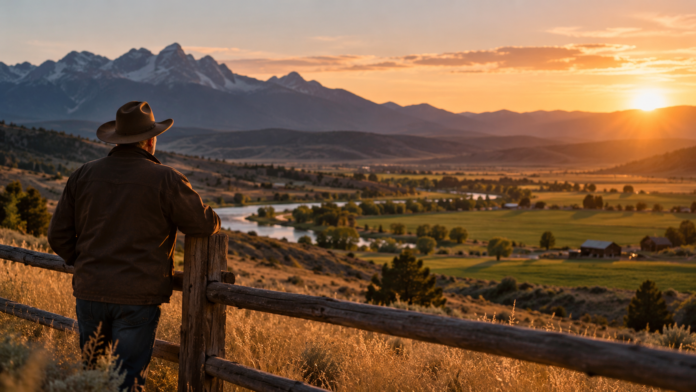

A family foundation with a hundred million dollars can move a rural town faster than a federal grant, and it can do it without a single press release. That is the part most people miss about philanthropy in the West. The money is real, the land is real, and the families behind it usually prefer the shade to the spotlight.
So here is what I want to walk you through: what a private foundation actually is, why the family model keeps winning out West, how a ranch turns into a giving strategy, and how to spot the difference between a serious foundation and a vanity project. You will leave with a checklist you can apply to any foundation you encounter.
The public-facing side rarely tells the whole story. On paper you get a mission statement. In practice you get a family, a set of values, and a long horizon, which is exactly why someone like mike schultz in utah and his relatives can treat giving as a multi-decade project rather than a one-time gesture. The family that started building homes in the 1990s is now funding causes across the same state it built in.
What a Private Family Foundation Actually Is
Strip away the language and a private foundation is a tax-exempt organization funded by one source, usually a family or an individual, and run for charitable purposes. The Internal Revenue Service draws the line between a private foundation and a public charity, and that line matters more than most donors realize. Public charities raise money from many sources. Private foundations usually do not.
That single distinction shapes everything downstream. A private foundation answers to its own trustees, files its own returns, and sets its own pace. There is no annual fundraising gala to survive. There is no board of outside donors to please.
The tradeoff shows up in the rules. Private foundations face stricter payout requirements and tighter self-dealing restrictions than public charities do. I would rather write a check into a family foundation than a brand-new public charity with no track record, because the family has skin in the game and a filing history a journalist can actually read.
Why the Family Model Keeps Winning in the West
Western philanthropy grew out of land, cattle, and construction, not out of inherited East Coast trusts. Families that made their money within a two-hour drive of the communities they now fund tend to treat giving differently. They know the school superintendent by name. They know which road floods. They know the family that lost its barn in March.
That proximity produces a specific style of giving. It is slower, quieter, and more personal than the institutional model. It also tends to survive leadership changes, because the next generation grew up watching the first one write checks.
Land is often the connective tissue. A family ranch becomes a gathering place for grandchildren, a reason to stay involved, and a reminder of what the region looked like before the subdivisions arrived. When you see a foundation named after a piece of ground, that is usually not branding. It is a family saying out loud what it cares about.
Three Questions to Ask Before You Trust Any Foundation
I have read enough foundation websites to know most of them sound identical. The differences hide in the details, and a few questions cut through the noise fast.
- Who is legally on the hook? A named family, a corporate entity, or an anonymous trust tell you three very different stories about accountability.
- What is the giving history? Priorities and impact pages should name real organizations. Vague language about “supporting communities” usually means nothing has been funded yet.
- Is anyone home? A real foundation lists a contact method. A shell lists a mission statement and nothing else.
That third question sounds trivial. It is not. Foundations that plan to keep operating for decades publish how to reach them, because they expect to be asked.
When Public Service and Private Giving Overlap
Here is where the Western model gets interesting. Plenty of foundation founders also hold elected office, sit on boards, or serve in appointed roles. That overlap draws scrutiny, and it should. The legal guardrails exist for good reason.
Utah, for instance, has a part-time citizen legislature, which means most lawmakers hold day jobs and outside interests. The Utah Legislature publishes financial disclosure requirements that apply to members, and those filings are public. If you want to know whether a founder’s giving and a founder’s voting align, the paperwork is available. Read it. It takes twenty minutes and it tells you more than any campaign mailer will.
My own position: disclosure is the price of doing business in public life, and foundations attached to public figures should publish more than the minimum, not less. The families that get this right earn trust they never have to ask for.
Land, Legacy, and the Long Horizon
Rural land in the West is expensive and getting more so. That fact pushes family foundations toward a specific kind of work: conservation easements, agricultural education, open space, and support for the small towns that sit between the mountains and the interstate.
Land management is a serious business, and the federal agencies that oversee public acreage have been at it for over a century. The National Park Service is one of the oldest examples, and its history is a useful reminder that preserving landscape has always required money, patience, and someone willing to sign the paperwork.
Private giving moves faster on this front. A foundation can fund a conservation project in a season. A public process can take years, and sometimes it should. The two are not competitors. They cover different gaps.
What I would not do is assume a ranch-based foundation is automatically conservation-minded. Some are. Some fund youth sports and call it stewardship. The priorities page tells you which one you are dealing with.
How to Spot a Serious Foundation in Ten Minutes
Run this checklist on any foundation you are evaluating, whether you are a journalist, a grant seeker, or just a curious neighbor.
- Read the About page for names, not adjectives. Real foundations name people.
- Check whether the priorities read as specific causes or generic categories.
- Look for a location. A ranch in a named town beats a P.O. box in a downtown tower.
- See whether the foundation describes its own origin story. Specificity signals honesty.
- Verify the tax status independently rather than trusting the badge on the homepage.
Ten minutes of reading beats an hour of guessing. Foundations that pass this test do not need you to take their word for anything.
What This Means for the Next Generation
The families doing this well are not handing down checkbooks. They are handing down a habit, which is a much harder thing to inherit. Kids who spent summers on a working ranch grow up understanding that land is earned and neighbors matter, and that mindset tends to show up in their giving decades later.
That is what makes the Western model durable. Values move through generations more reliably than institutions do. A foundation with a clear purpose outlasts its founders.
If you are building something similar, start with one question: what would you keep funding even if nobody ever knew you paid for it? That answer is your mission.
Now go read one foundation’s About page. If the first three sentences could belong to any organization in America, keep scrolling until you find one that could only belong to them.