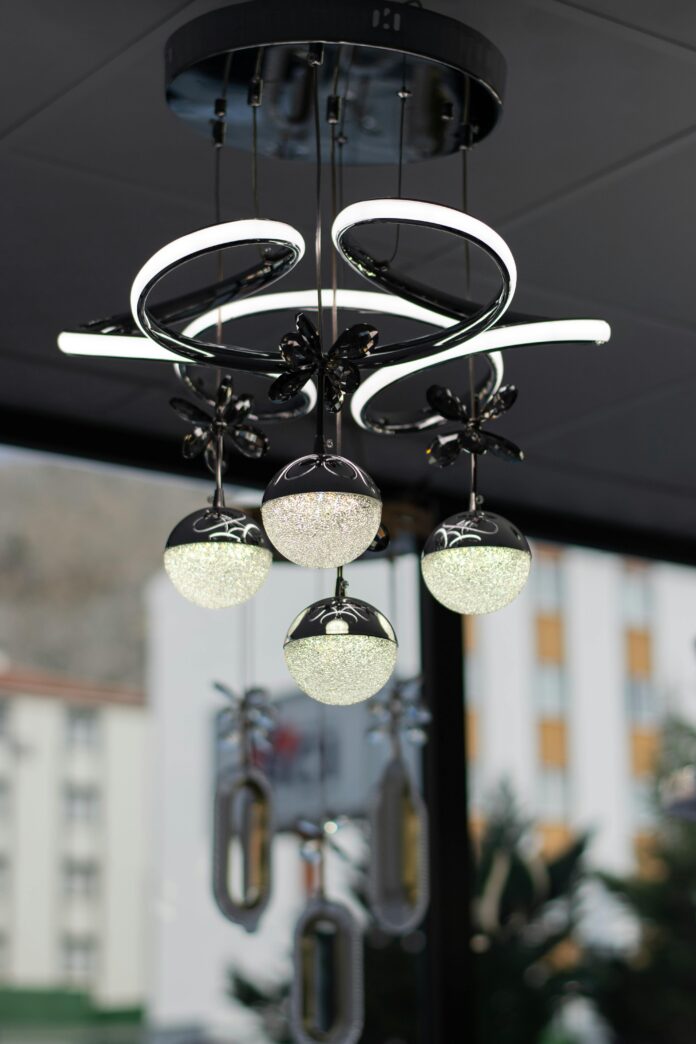

Lighting design has changed significantly over the last few years. Modern residential spaces, commercial projects, and decorative installations now require lighting systems that are more flexible, energy efficient, and visually balanced. LED strip lighting has become one of the preferred solutions because it offers adaptable installation options and consistent illumination for different environments.
From retail stores and hotels to home interiors and exhibition displays, LED strips are now widely used to improve visual comfort and create cleaner lighting layouts. Their slim structure, low power consumption, and wide color options make them suitable for both decorative and functional applications.
Understanding the Growing Demand for LED Strip Lighting
The increasing use of LED strips is closely connected to modern architectural trends. Designers and installers often prefer lighting systems that can fit into narrow spaces while maintaining brightness consistency. LED strips are commonly installed in ceilings, shelves, corridors, cabinets, staircases, and signage because they provide soft and controlled illumination.
Different LED chip technologies also allow users to choose lighting based on brightness requirements and installation conditions. For example, 3528 LED strips are often selected for lower power decorative applications, while 5050 and 2835 LED strips are used where stronger brightness output is required.
Many lighting projects now focus on longer operational life and reduced maintenance requirements. Products such as SMD5050 RGB LED strips offer up to 50,000 hours of lifespan while supporting decorative lighting for bars, shopping malls, stages, signboards, and home interiors. Their flexible structure also allows easier installation around curved surfaces and architectural edges.
Factors That Influence LED Strip Performance
Several factors affect the overall performance of LED strip lighting. Chip quality, PCB thickness, adhesive backing, heat dissipation, and voltage stability all contribute to lighting efficiency and durability.
Modern lighting manufacturers continue improving strip technology to support stable brightness and easier installation. A reliable cob led strip factory usually focuses on uniform light distribution, cleaner visual appearance, and reduced visible light spots. Compared to traditional SMD strips, COB LED strips create smoother illumination and are often easier to maintain because dust can be removed with a simple wipe.
Another important development is the use of free cutting technology. Free cutting COB LED strips help solve installation limitations because installers can adjust strip lengths more accurately without affecting lighting continuity. This becomes useful in customized interior projects where precise measurements are necessary.
Shenzhen Dekingled Co., Ltd., established in 2014, provides various LED strip solutions designed for commercial and decorative applications. Their free cutting 12V and 24V COB LED strips are commonly used in projects requiring flexible installation layouts and stable brightness performance.
Why Voltage Stability Matters in LED Installations
Power stability directly affects LED strip efficiency. An unstable voltage supply can reduce brightness consistency and shorten the lifespan of lighting components. For this reason, installers usually pay close attention to selecting the correct voltage system before beginning installation.
In many professional lighting projects, 24V systems are preferred over 12V systems because voltage drop is lower during long distance installations. When voltage drop becomes excessive, the brightness at the end of the strip gradually weakens. A 24V system minimizes this issue and supports more stable illumination across larger lighting runs.
Several LED strips now support different voltage options depending on the installation requirement. For example, 5050 RGBW LED strips operate on DC24V input voltage and provide RGB plus warm white lighting with brightness reaching 1200 lumens. Similarly, 3014 LED strips with 240 LEDs use DC24V systems while supporting high density illumination with efficient power management.
Installation safety is also important. Before connecting any strip light, installers usually confirm that the power supply matches the strip voltage requirements. Incorrect voltage connections may affect performance or damage the lighting system.
Waterproof Lighting Solutions for Indoor and Outdoor Projects
Outdoor lighting installations require additional protection against moisture, dust, and environmental exposure. Waterproof LED strips are commonly used for pathways, architectural outlines, exhibitions, and outdoor decorative lighting because they improve long term reliability under challenging conditions.
Choosing the correct Waterproof Power Supply is important in these environments because stable protection helps prevent electrical failure and maintains consistent lighting output. Waterproof systems are especially useful for canopies, bridges, windows, corridors, and contour lighting applications where direct environmental exposure is unavoidable.
IP65 and IP68 waterproof ratings are frequently used in professional installations. IP68 LED strips provide stronger water resistance and can continue operating even under significant water exposure. When illuminated at a depth of around three meters, properly designed IP68 strips remain protected from water ingress while maintaining safe operation.
Some waterproof LED strips also include durable copper foil thickness and protective silicone structures for improved long term use. Products such as 2010 silicone neon lights combine flexible installation with IP65 protection, making them suitable for decorative outdoor lighting and architectural applications.
The Role of Smart Controllers in LED Lighting Systems
Modern LED lighting systems often include smart controllers that allow users to adjust brightness, colors, and lighting effects more efficiently. RGB touch controllers are commonly integrated into decorative lighting systems because they support multiple color modes and remote operation.
Advanced controllers now offer features such as PWM dimming methods, RF remote control, adjustable intensity levels, and long control distances. These systems help users customize lighting environments for homes, entertainment spaces, exhibitions, and commercial interiors without complicated wiring adjustments.
In RGB lighting projects, controllers also help maintain smooth color transitions and stable lighting synchronization across multiple strip sections.
LED Lighting Trends in Commercial Design
Commercial lighting trends now focus on clean aesthetics, energy efficiency, and flexible installation. Hotels, shopping malls, beauty salons, restaurants, and retail spaces increasingly use LED strips to improve visual atmosphere while reducing overall power consumption.
Architectural lighting applications such as cove lighting, edge lighting, signage backlighting, and pathway marking continue expanding because LED strips can adapt to different structural layouts. Flexible strip dimensions and easy cut points also simplify installation in customized projects.
Manufacturers that provide technical support, fast delivery, and cost effective production continue gaining attention in the global lighting market. As LED technology develops further, lighting systems are becoming more durable, easier to maintain, and better suited for modern architectural requirements.
Reliable LED strip systems now combine brightness stability, waterproof protection, flexible installation, and smart control compatibility to meet the changing demands of residential and commercial lighting projects.