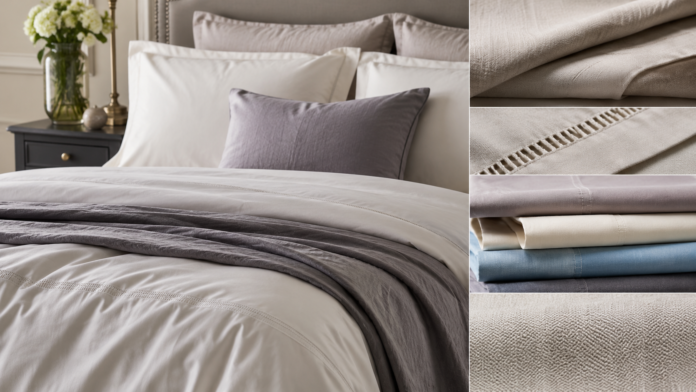

When people shop for bedsheets, they often look first at color, size, or fabric name. However, two bedsheets made from similar fibers can feel very different. The reason is that fabric quality depends on more than the raw material alone. Weave, finishing, construction, and manufacturing choices all influence softness, breathability, durability, appearance, and everyday performance.
This is especially important for retailers, hotels, private-label bedding brands, and home textile businesses developing their own collections. Understanding how fabric is constructed can help buyers make better decisions instead of choosing products only by appearance.
Businesses that need specific materials, sizes, finishes, colors, or product characteristics may work with a Custom Bedsheet Set Manufacturer to develop bedding around the needs of their customers and intended market.
Why Fabric Construction Matters
Fabric is created by arranging and interlacing threads in particular ways. The way those threads are organized affects how the finished bedsheet feels and performs.
Some constructions create a crisp and lightweight surface. Others produce a smoother, softer, or slightly more substantial feel.
This means two bedsheets made from cotton, for example, may not provide the same experience.
The final result can depend on factors such as:
- Weave structure
- Yarn characteristics
- Fabric density
- Surface finishing
- Dyeing or printing method
- Stitching quality
- Washing and finishing processes
For businesses developing bedding collections, looking at all these factors together provides a clearer picture of product quality.
Percale Weave Creates a Crisp Feel
Percale is commonly associated with a clean, crisp bedsheet feel.
Its straightforward weave structure can create fabric that feels light and fresh. This characteristic may appeal to customers who prefer bedding that does not feel overly smooth or heavy.
Percale-style sheets can work particularly well in warm climates or for people who prefer a cooler sleeping environment.
From a retail perspective, this type of fabric can fit naturally into collections focused on simplicity, freshness, and everyday comfort.
The actual performance still depends on the fibers, yarns, and overall manufacturing quality, so the weave name alone should not be treated as a complete measure of quality.
Samples should always be evaluated before a larger product decision is made.
Sateen Provides a Smoother Surface
Sateen uses a different weaving structure that generally creates a smoother surface and a softer visual appearance.
Customers who enjoy bedding with a more polished or silky feel may prefer this type of construction.
The fabric can also have a slight sheen, depending on the material and finishing process.
Sateen-style bedsheets may work well in premium-looking collections, boutique hospitality settings, or bedroom ranges designed around softness and visual elegance.
However, businesses should avoid assuming that a smoother surface automatically means higher quality.
Durability, laundering performance, stitching, dimensions, and fabric consistency remain equally important.
The right choice depends on what the customer expects from the product.
Fiber Type and Weave Should Be Considered Together
It is easy to focus on fiber names such as cotton or polyester, but the fiber and the weave work together.
A good material can perform differently depending on how it is spun, woven, and finished.
Cotton may offer breathability and a natural feel, while synthetic fibers can provide easy-care characteristics and practical durability. Blended materials can combine different properties.
Businesses should therefore ask what the finished product is meant to achieve.
If the priority is a light and breathable summer sheet, one construction may work better. If the goal is a smooth and more refined product, another may be more suitable.
Instead of selecting fabric based on one specification, buyers should evaluate the complete combination.
Thread Count Should Not Be the Only Buying Measure
Thread count is frequently used in bedsheet marketing, but it should not be treated as the only indicator of quality.
A higher number does not automatically guarantee a more comfortable or durable sheet.
The quality of the yarn, weaving method, fiber type, finishing, and construction can all affect the actual result.
For business buyers, physical evaluation is often more useful than relying only on a number printed on packaging.
A sample can show:
- How the fabric feels
- Whether it is breathable
- How heavy or light it seems
- How well it drapes
- Whether the surface looks consistent
- How it changes after washing
Customers ultimately experience the finished bedsheet rather than a single technical specification.
Fabric Weight Influences the Sleeping Experience
Bedsheets can vary noticeably in weight.
A lightweight sheet may feel airy and comfortable in hot weather, while a slightly more substantial fabric may appeal to customers who prefer a heavier, more secure feel.
Neither option is automatically better.
The ideal fabric weight depends on the target market, climate, customer preference, and intended price point.
Hospitality businesses may also consider how fabric weight affects laundry operations. Heavier textiles can influence washing, drying, storage, and handling when large quantities are involved.
Retail brands should think about how the weight fits the overall product message.
If a collection is marketed around light summer comfort, the fabric should support that experience.
Finishing Changes How Fabric Feels
Bedsheet fabric often goes through finishing processes after it has been woven.
These processes can influence softness, smoothness, appearance, shrinkage behavior, and overall hand feel.
The finishing stage is important because unfinished textile material may feel very different from the product customers eventually receive.
For brands, this means samples should ideally represent the actual planned production finish.
Evaluating unfinished or differently treated fabric may create expectations that do not match the final bedsheet.
Finishing should also remain consistent between production runs. Customers who reorder the same product usually expect a similar feel.
Dyeing Quality Affects More Than Color
Color plays a major role in bedsheet design, but good dyeing involves more than creating an attractive shade.
Consistency is important when multiple pieces are sold together as a set.
The fitted sheet, flat sheet, and pillowcases should appear visually coordinated rather than looking like slightly different versions of the same color.
Brands should also think about how color performs during normal care.
A strong initial shade is less useful if the appearance changes quickly under recommended washing conditions.
Before confirming a collection, businesses can compare samples under different lighting because colors may appear different in natural light, showroom lighting, or product photography.
Printed Bedsheets Need Careful Design Planning
Printed bedsheets offer more creative possibilities than plain colors.
Floral designs, geometric patterns, stripes, abstract artwork, and simple repeating motifs can help a collection appeal to different interior styles.
However, printing quality can influence how professional the final product looks.
Businesses should review:
- Pattern sharpness
- Color consistency
- Design scale
- Repeat alignment
- Placement on different sizes
- Appearance after washing
A design that looks attractive on a small digital image may appear very different across a large king-size sheet.
Sampling allows the pattern to be reviewed at actual product scale before bulk manufacturing.
Surface Feel Can Shape Customer Perception
Customers often judge bedding within seconds of touching it.
The surface may feel crisp, smooth, soft, brushed, cool, or slightly textured.
This first physical impression can strongly influence how buyers perceive quality.
Retail businesses should make sure the surface feel matches the product’s positioning.
A premium-looking package that contains fabric with a completely different feel from what customers expect can lead to disappointment.
Similarly, a practical everyday bedsheet does not need an overly luxurious surface if the main goal is durability and simple maintenance.
Product characteristics and marketing should tell the same story.
Shrinkage Should Be Considered During Development
Textiles can change dimensions after washing.
If shrinkage is not considered during product development, a bedsheet that fits correctly when new may become less suitable after care.
This is especially important for fitted sheets because a relatively small dimensional change may affect how the corners sit on the mattress.
Businesses should evaluate samples according to the washing instructions planned for customers.
Measurements can be taken before and after washing to understand how the material behaves.
This information can help manufacturers and buyers determine appropriate final dimensions.
For hotel bedding, where repeated laundering is common, long-term dimensional stability can be particularly important.
Stitching Completes the Fabric Quality
Even excellent fabric can be let down by weak construction.
A bedsheet set is a finished textile product, so stitching should be evaluated alongside fabric.
Clean seams, secure hems, well-finished corners, and consistent sewing contribute to both appearance and durability.
Fitted sheets also depend on reliable elastic and properly constructed corners.
Pillowcases should have accurate dimensions and neat finishing.
When reviewing a sample, buyers should inspect the entire product rather than judging only the central fabric panel.
Small construction problems can become more noticeable after washing and regular use.
Match the Fabric to the Customer
There is no single bedsheet fabric that is perfect for every market.
A successful product is one that matches the expectations of its intended buyer.
Hotels may prioritize durability, laundering performance, and consistent appearance. Premium home textile brands may focus more strongly on softness and finishing. Family-oriented retailers may need easy-care products at accessible prices.
Climate also matters.
A fabric that works well in a cool region may feel less comfortable in a hot environment.
Businesses should define the desired customer experience first and then select fabric characteristics that support it.
This approach is more useful than simply trying to choose the specification that sounds most expensive or impressive.
Samples Help Buyers Compare Real Differences
Fabric descriptions can provide useful information, but physical samples remain valuable during product development.
Samples allow decision-makers to compare several constructions side by side.
They can test softness, weight, drape, color, stitching, and actual fit on a mattress.
Washing samples can provide even more useful information.
Businesses can observe whether the fabric shrinks, wrinkles heavily, changes in texture, or shows visible color differences.
For brands working with a Custom Bedsheet Set Manufacturer, clearly defining the desired fabric feel and performance during sampling can help create more accurate expectations before larger production begins.
Consistency Matters Across a Complete Collection
A bedsheet collection may contain multiple colors, sizes, and designs, but customers generally expect similar quality across the range.
A queen-size sheet should not feel significantly different from the king-size version of the same product unless that difference is intentional.
The same applies to different colors within one collection.
Keeping approved specifications for fabric, construction, finishing, measurements, and stitching can support better consistency over time.
Businesses exploring tailored bedding development can also review joyilife.com when researching manufacturing options for customized bedsheet sets and related bedding products.
Consistency becomes particularly important when a successful product is reordered months later.
Conclusion
The quality of a bedsheet set is influenced by much more than the fiber name printed on its packaging.
Weave structure, yarn characteristics, fabric weight, finishing, dyeing, printing, shrinkage, and stitching all contribute to how the product feels and performs.
Percale-style constructions may suit customers who prefer a crisp and lighter experience, while sateen-style fabrics can provide a smoother surface. Neither choice is automatically superior; the right option depends on the intended customer and use.
For retailers, hotels, and private-label bedding brands, evaluating complete samples is one of the most practical ways to compare options. By looking beyond individual marketing specifications and focusing on real comfort, durability, care, and consistency, businesses can develop bedsheet collections that better match customer expectations.