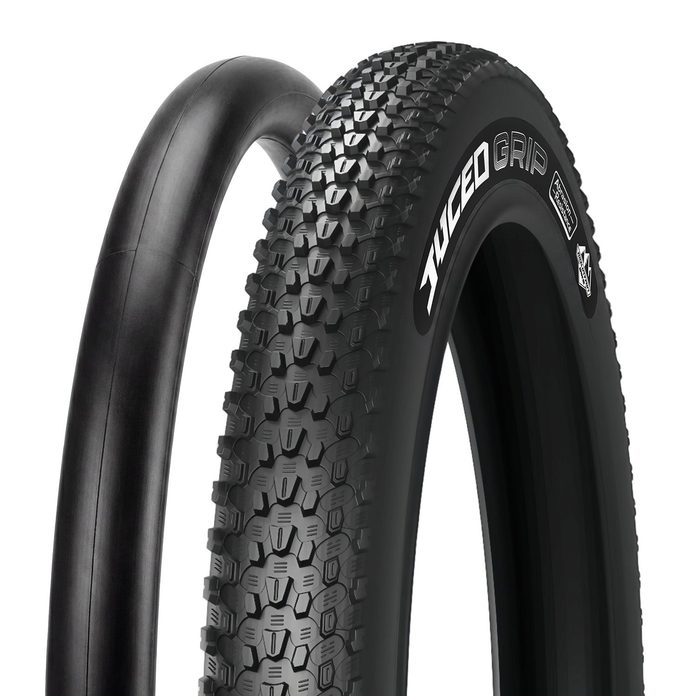

Ask a few seasoned mountain bikers how they pick their tires, and you’ll rarely hear a brand name as the first answer. Instead, they talk about the trail conditions they expect that week, how the ground has been draining after rain, and whether they’re riding somewhere new or somewhere they’ve ridden a hundred times. That mindset, treating tire choice as an ongoing decision rather than a one-time purchase, is what separates riders who rarely think about traction from those constantly fighting their setup.
This guide follows that same logic, walking through how to evaluate trail conditions and adjust your tire setup accordingly, rather than locking into a single configuration and hoping it holds up everywhere you ride.
Reading Trail Conditions Before You Ride
Weather in the days leading up to a ride tells you more about expected traction than almost anything else. Recent rain on clay-heavy soil means slick, greasy sections even if the surface looks dry on top. Long dry spells turn loose dirt into fine, ball-bearing-like dust that behaves very differently from packed trail. Checking recent conditions, whether through local trail reports or simply recalling the last few days of weather, helps set expectations before you even swing a leg over the bike.
Riders who ride the same trail network regularly often keep informal notes on how specific sections behave under different conditions. That kind of pattern recognition, built up over repeated rides, becomes more valuable than any single spec sheet.
Adjusting on the Fly When Conditions Shift Mid-Ride
Longer rides sometimes cross multiple microclimates, a shaded, damp section followed by an exposed, dry ridge. Since swapping tires mid-ride isn’t practical, experienced riders instead adjust their line choice and speed through each section, leaning on tire feel rather than fighting against a setup that can’t do everything perfectly. Recognizing when to back off and let the tire’s limitations guide your pace is itself a skill worth developing.
Building Confidence Through Deliberate Testing
Rather than trusting a new tire blindly on race day or a big group ride, veteran riders test new setups on familiar, lower-stakes trails first. This lets them learn how the tire responds to braking, cornering lean angle, and small trail imperfections without the pressure of an unfamiliar or high-consequence descent. A tire that feels great in a straight line can behave very differently once real cornering load is applied.
Testing across a couple of rides, rather than a single lap, also reveals how a tire holds up as tread wears in slightly and as pressure settles after the initial ride. First impressions on brand new rubber aren’t always representative of how it performs a few rides later.
Keeping a Backup Plan for Changing Seasons
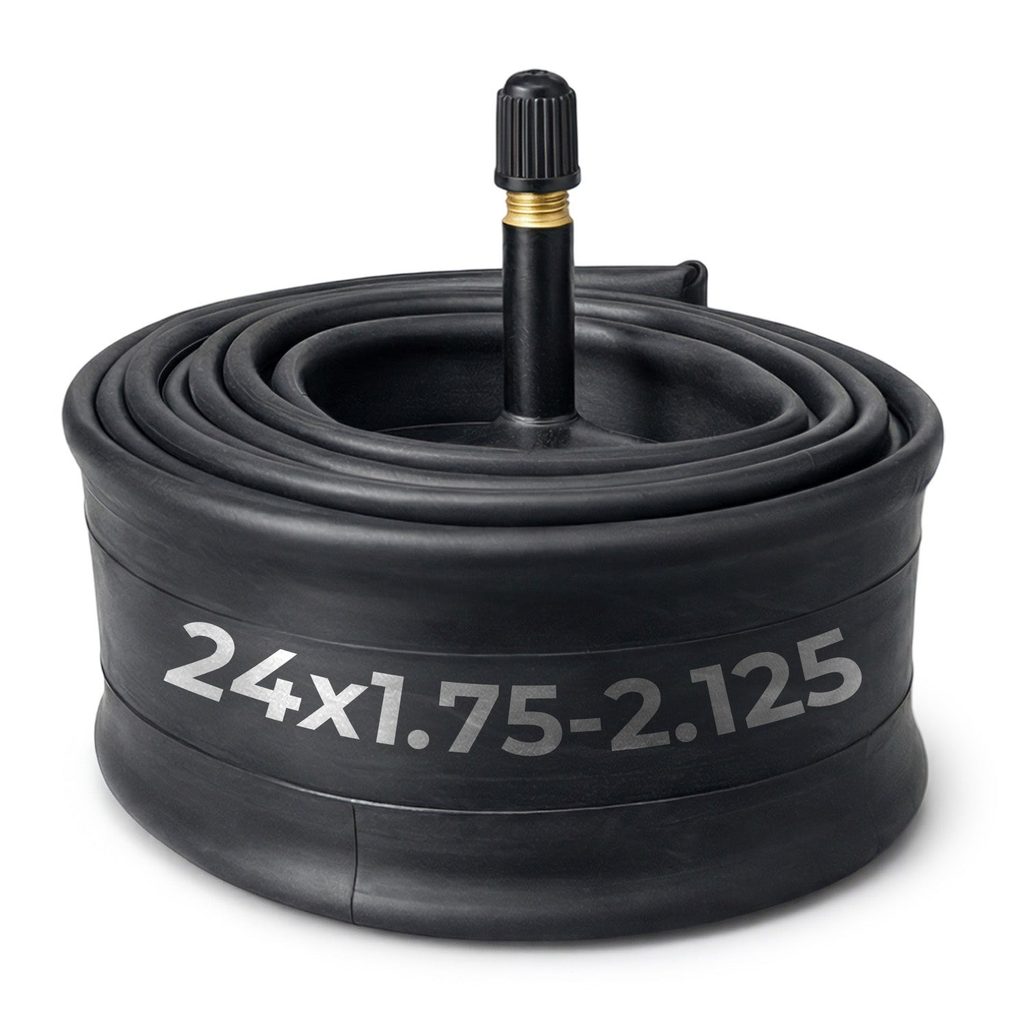
Riders who deal with real seasonal variation, wet winters, dusty summers, often keep a second set of tires ready rather than trying to make one setup work year-round. Having a wet-weather option and a dry-condition option on hand removes the temptation to force a mismatched tire onto terrain it wasn’t designed for, simply because swapping takes a few extra minutes.
Trusting a Setup You’ve Verified Yourself
Ultimately, the most reliable tire setup is one you’ve personally tested across the conditions you actually ride in, not one chosen purely on a friend’s recommendation or a forum thread. Many riders who’ve settled into a consistent setup with Juceo describe a similar process: testing a model across a full season, noting how it held up through changing conditions, and sticking with what proved reliable rather than chasing the newest release.
When you’re ready to test a new option for yourself, browsing a mountain bike tire range with your specific seasonal challenges in mind gives you a starting point that’s grounded in your real riding conditions rather than generic marketing claims.
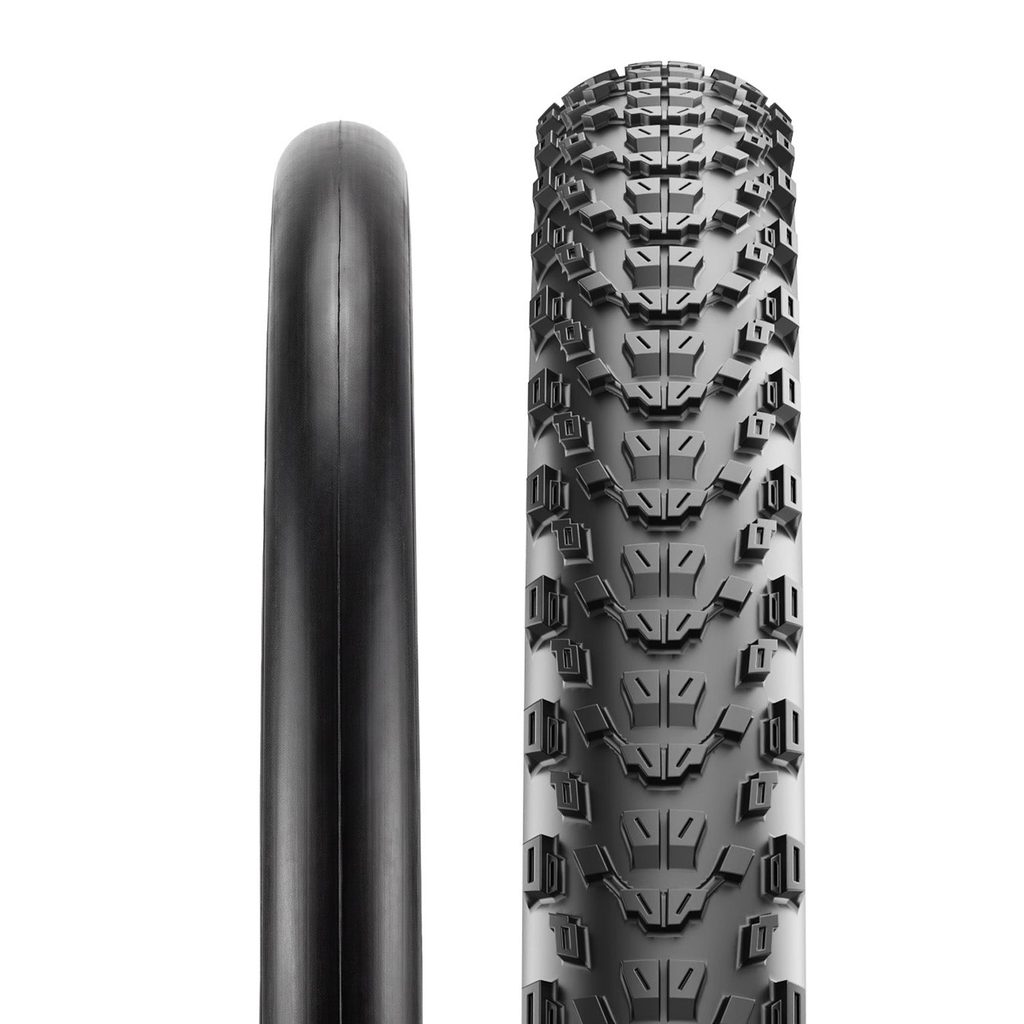
Over time, this deliberate approach to testing and adjusting builds a level of trust in your setup that translates directly into riding with more confidence on unfamiliar or changing terrain.
Making Trail-Ready Decisions, Not Guesses
Tire choice doesn’t need to be a mystery, and it doesn’t need to happen just once and then get forgotten. Reading conditions before you ride, testing new setups deliberately, and keeping seasonal alternatives on hand all add up to a rider who’s rarely caught off guard by changing terrain.
The next time conditions shift unexpectedly mid-season, you’ll already have a process in place for adapting, rather than scrambling to figure out why your usual setup suddenly feels off.