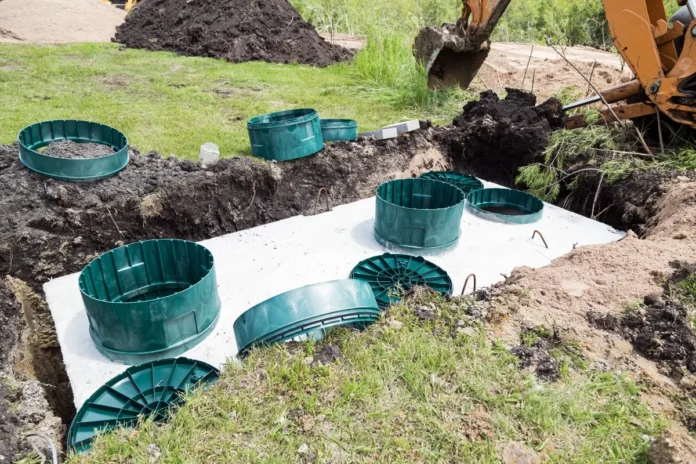

A septic system that worked well for a smaller household may begin showing strain once daily routines become busier and the number of people using the home increases. More showers, more laundry, more dishwashing, and more bathroom use can quietly place heavier demands on a system that was not designed for that level of activity over time. That is why septic tank replacement can become an important step for families whose needs have outgrown their older setup. It supports better waste management by giving the property a stronger foundation for handling the increased flow that comes with a fuller, more active home.
When family growth changes the system
- Older septic systems often struggle when daily use increases
One of the biggest reasons septic tank replacement matters for growing families is that an older system may still appear to function while quietly losing its ability to keep up with higher household demand. A tank that once handled a couple’s routine may begin experiencing more strain once children, guests, or multi-generational living arrangements change how often water and waste move through the property. This shift does not always begin with one dramatic failure. It often appears through slower draining fixtures, heavier system use after busy mornings, or a growing sense that the plumbing no longer feels as dependable as it once did. These changes matter because waste management depends on timing, capacity, and how well the system can separate and process daily flow without being pushed too hard. If the household grows but the septic tank remains the same, the system may be forced to work with less margin for normal daily surges, which can make future performance less predictable and much harder to manage.
- Replacement helps match system capacity to the way the home is actually used
A septic tank replacement becomes especially important when the home’s real use no longer matches the assumptions behind the original installation. A larger family does not only create more total wastewater. It often creates more concentrated periods of demand, such as back-to-back showers, multiple toilet flushes in a short window, and heavier kitchen and laundry activity throughout the day. In homes where these changes are becoming more noticeable, septic tank replacement by Bruce Johnson Construction may be part of the conversation because homeowners begin realizing that waste management is not just about fixing visible symptoms. It is about making sure the system is sized and structured for the life the family is living now. That distinction matters because a septic system should support the home’s rhythm instead of constantly falling behind it. When a replacement is planned around current household patterns rather than the outdated demands of a smaller family, the whole property gains a better chance of managing waste flow in a steadier and more dependable way over time.
- A newer system can improve day-to-day consistency across the property
Another reason septic tank replacement supports better waste management is that consistency matters just as much as capacity. A growing family usually needs the plumbing system to perform the same way every day, not just during low-demand periods. If the septic setup is aging or undersized, it may behave differently under heavier use, which can create uncertainty about drainage, wastewater handling, and how confidently the household can use sinks, toilets, and appliances without overloading the system. A replacement helps restore a more even response by giving the home a stronger base for everyday wastewater movement. This matters because families tend to notice the inconvenience first, but the larger issue is whether the system can keep operating with stability as household use continues growing. Better day-to-day consistency makes the whole home easier to live in. Parents are not wondering whether another load of laundry will create trouble. Busy mornings feel less stressful. Guests feel less like an added burden on the property. A stronger system can make the home feel more prepared for regular life instead of always operating close to its limit.
- Waste management improves when the system supports future routines too
A growing family often means more than the present moment. It also means planning for what the household may need next. Children grow older, bathrooms get used more heavily, relatives may move in temporarily, and home use patterns shift in ways that increase wastewater volume over time rather than reducing it. This is one reason septic tank replacement matters beyond immediate relief. It gives homeowners a chance to think ahead instead of only reacting to current strain. A system that supports the household’s future can reduce the need for ongoing worry every time daily use increases. That kind of planning matters because waste management is part of how the home supports the family’s lifestyle behind the scenes. If the septic system is always close to being overwhelmed, every change in routine can feel like a risk. A replacement designed with future household activity in mind helps protect against that pressure. It turns the septic system from a source of concern into a more dependable part of the property’s long-term function, which is especially valuable for families who expect the home to keep serving them through multiple stages of life. A stronger septic system supports more than plumbing convenience. It also helps protect the yard, the surrounding soil conditions, and the overall feel of the property by making waste handling more dependable during heavier use.
- Better system support reduces stress during busy family life
One practical reason septic tank replacement matters is that growing families already have enough to manage without adding uncertainty about wastewater handling to the daily routine. Busy households depend on systems that can keep up quietly in the background. When a septic setup is aging, undersized, or showing signs that it no longer fits the household, even ordinary activities can feel more stressful than they should. People begin spacing out water use, thinking twice about guests, or worrying that simple daily habits are pushing the system too far. A replacement helps reduce that pressure by restoring confidence in the home’s ability to handle normal family life. This matters because waste management should not feel like a constant limitation. It should support the household smoothly, without requiring people to work around it every day. A stronger, more appropriate septic system allows the family to use the home more naturally, which can make the property feel more livable, more stable, and more capable of supporting the demands that come with a fuller schedule and a larger household.
Better waste management starts with the right capacity
Septic tank replacement supports better waste management for growing families because household change often brings more wastewater, heavier daily demand, and less room for an older system to keep up comfortably. What once worked for a smaller routine may no longer match the way the home is actually used. A replacement can improve consistency, support future household growth, and reduce the stress that comes from wondering whether the system is falling behind. When septic capacity matches real family life, the home becomes easier to manage and more dependable as daily routines continue expanding. Stronger support often begins below the surface.