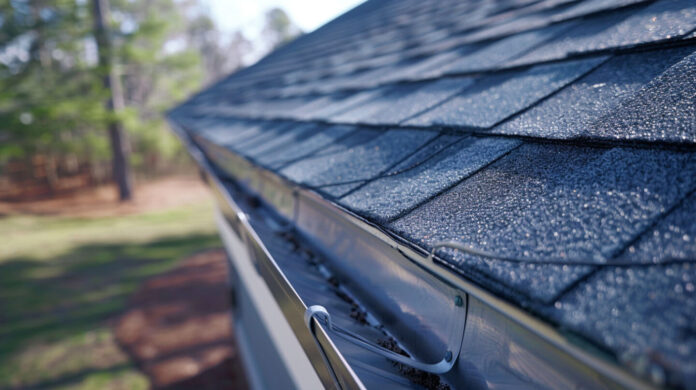

Heavy rain can place considerable pressure on areas where a roof meets an exterior wall, dormer, chimney structure, or upper-level addition. These intersections interrupt the normal downward path of water and create points where moisture can collect if roofing components are not properly arranged. Effective roofing helps guide rain away from these vulnerable connections before it can reach sheathing, insulation, framing, or interior finishes. Materials such as flashing, shingles, underlayment, and drainage features work together to manage runoff during storms. Careful installation and ongoing inspection can therefore help homes remain protected when repeated rainfall tests roof-to-wall connections over time.
Managing Water at Critical Roof Connections
- Directing Rain Away From Wall Intersections
Roof-to-wall intersections require careful water management because rain travelling down a sloped roof can become concentrated where the roofing surface meets a vertical wall. Without an organised route for runoff, moisture may remain against siding, trim, or roofing edges and gradually work into small openings. Roofing systems address this concern by creating overlapping layers that encourage water to continue moving downward and away from the structure. Flashing is commonly positioned at these transitions so water passes over protective metal rather than entering the joint between materials. Shingles are then arranged in relation to the flashing so each layer supports the drainage path created by the one beneath it. Homeowners dealing with frequent storms may look to Logan Roofing near Crawfordville when evaluating how roof-to-wall connections are handling repeated rainfall and whether protective components need attention. Properly managed intersections reduce opportunities for water to travel behind exterior materials, helping protect the structural layers that are not designed for regular moisture exposure.
- Using Flashing to Control Concentrated Runoff
Flashing plays an important role wherever roof planes meet walls because these areas receive more complicated water movement than uninterrupted roof surfaces. Step flashing may be installed along sloped roof edges that meet vertical walls, with individual pieces layered alongside successive courses of shingles. This arrangement creates a repeated drainage path that helps direct rain onto the roof surface rather than behind the wall covering. At lower termination points, kick-out flashing can help divert runoff away from the wall and toward the gutter instead of allowing water to flow directly against siding or exterior finishes. The effectiveness of these components depends heavily on correct overlap because water naturally follows gravity and can move through narrow gaps when protective layers are arranged incorrectly. Heavy rainfall makes these details particularly important since a greater volume of water moves through the intersection in a shorter period. Roofing that includes properly positioned flashing helps manage this concentrated runoff before it reaches vulnerable materials, reducing the likelihood that moisture will remain trapped behind siding, trim, or roofing components after a storm.
- Protecting Underlying Materials From Moisture Intrusion
The visible roof covering is only one part of the protection needed around roof-to-wall intersections. Beneath shingles and flashing are materials such as roof decking, wall sheathing, framing, insulation, and interior finishes that can be affected when water repeatedly enters the same location. Roofing helps defend these hidden components through multiple protective layers rather than relying on a single surface material. Underlayment provides another barrier beneath the primary roof covering, while properly integrated flashing helps prevent rain from reaching the joint where horizontal and vertical construction meet. Sealants may also be used at appropriate locations, although they should support rather than replace correctly installed flashing. When heavy rain occurs repeatedly, even a small opening can allow enough moisture to create staining, deterioration, or damp conditions inside wall and roof assemblies. A well-planned roofing system reduces this risk by directing water outward at every stage. Keeping these underlying materials dry also helps preserve the strength and condition of the surrounding structure while limiting repairs caused by long-term moisture exposure.
- Maintaining Drainage During Repeated Heavy Storms
Roof-to-wall intersections can remain dependable only when the surrounding drainage system continues functioning properly. Leaves, twigs, roofing debris, damaged gutters, or blocked downspouts can slow water movement and cause runoff to remain near areas where roofs connect with walls. Heavy storms make drainage problems more noticeable because large amounts of water must leave the roof quickly. Roofing maintenance can include checking shingles near wall connections, examining flashing for displacement, clearing debris, and making sure gutters receive water without allowing it to spill against exterior surfaces. Siding and trim near intersections should also be observed for staining, swelling, peeling finishes, or other signs that moisture may not be following the intended path. Regular inspections can reveal small changes before repeated rainfall turns them into broader problems. Fasteners may loosen, materials can shift with temperature changes, and sealants can deteriorate as years pass. Maintaining these areas helps roofing continue directing stormwater away from walls, supporting dependable drainage through changing seasons and periods of intense rainfall.
Roofing helps homes handle heavy rain around roof-to-wall intersections by controlling where water travels and protecting vulnerable construction joints from prolonged moisture exposure. Flashing, shingles, underlayment, gutters, and carefully arranged drainage details create overlapping barriers that move runoff away from walls and toward safe discharge points. These components are especially important during intense storms, when water volume increases and small weaknesses can become more noticeable. Routine inspection also helps identify shifted flashing, damaged materials, blocked drainage, or early moisture warning signs. By maintaining clear water pathways and strong protective layers, homeowners can reduce rain-related damage around some of the roof’s most demanding connection points.