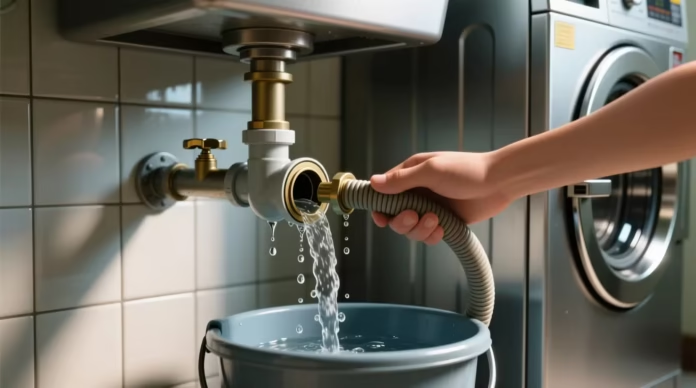

A washing machine can discharge a large amount of water in a short period, which sometimes exposes drainage problems that stay hidden during normal sink or shower use. Homeowners may notice water rising in a nearby utility sink, floor drain, tub, or standpipe only when the washer enters its drain cycle. Because the backup disappears afterward, the issue can seem temporary. Drain cleaning matters because this pattern often points to a partial blockage that cannot handle the washer’s faster flow. Clearing the restriction helps restore normal drainage capacity and reduces the chance that repeated wash cycles lead to larger backups, overflow, or water damage.
Why Washing Machines Expose Drain Weaknesses
- High-Volume Discharge Can Reveal a Partial Blockage
Washing machines release wastewater much faster than many other household fixtures, which means the drain line has to accept a strong burst of flow during each cycle. A pipe that handles a sink or shower without obvious trouble may still be partially restricted by lint, soap residue, detergent buildup, hair, or older debris. When the washer drains, that reduced opening may not move water quickly enough, causing it to rise temporarily in a standpipe or nearby fixture. Homeowners considering drain cleaning in Audubon may notice that the problem appears only during laundry, which is an important clue that the drain is not fully blocked but has lost enough capacity to struggle under higher flow. Drain cleaning helps remove the material narrowing the pipe so wastewater can move more freely during the washer’s fastest discharge. This matters because the backup is often an early warning, not a harmless quirk. If buildup continues, the same drain may eventually struggle during other household activities too.
- Shared Drain Lines Can Cause Backups in Nearby Fixtures
Laundry drains often connect to other plumbing branches, which is why water may appear somewhere other than directly behind the washing machine. A utility sink, floor drain, tub, or lower fixture may begin gurgling or filling when the washer pumps out water. That reaction usually means the shared line downstream cannot carry the full flow at the rate it is receiving it. Drain cleaning helps by tracing the problem beyond the visible backup point and addressing buildup where the connected pipes actually become restricted. This is important because cleaning only the fixture where water appears may not solve anything if the obstruction sits farther along the shared drain. The washing machine is simply forcing enough water into the system to expose the weakness. Once the line is cleared more thoroughly, several connected fixtures may begin behaving normally again. Better drainage also reduces pressure inside the branch, which can help prevent the repeated bubbling, slow clearing, and temporary overflow that often accompany washer-related backups.
- Lint and Detergent Residue Can Build Up Gradually
Washing machine wastewater contains more than water. Lint, fabric fibres, detergent residue, dirt, oils, and other material can move into the drain during every cycle. Over time, some of that material may cling to pipe walls or combine with existing buildup from nearby fixtures. The drain may continue working for months while becoming slightly narrower each week. Eventually, the washer’s discharge rate becomes too much for the reduced opening, and the first obvious symptom is a backup during laundry. Drain cleaning matters because this type of buildup usually does not disappear on its own. Repeated washing can continue adding more material to the same restricted section. Proper cleaning restores more of the pipe’s usable diameter instead of waiting for water to drain slowly after each cycle. That helps the line handle the volume it was intended to carry and gives homeowners a more reliable laundry setup. It also reduces the chance that standing wastewater or repeated overflow creates unpleasant odours or moisture problems around the washing area.
- Why Early Cleaning Matters
A backup that appears only during washing machine cycles is often easier to address before it becomes a constant drainage problem. The drain still has some capacity, but the washer is showing that the available opening is no longer large enough for high-volume flow. This shorter point matters because repeated backups can eventually lead to overflow, water on the floor, or problems in connected fixtures. Drain cleaning can remove the restriction while the line is still partially open, helping restore normal flow before the issue spreads into everyday sink, tub, or floor-drain use elsewhere in the home.
Restoring Reliable Drainage During Every Wash
Drain cleaning helps when water backs up only during washing machine cycles because the washer often exposes restrictions that lower-flow fixtures do not reveal. Lint, detergent residue, shared drain problems, and gradual buildup can reduce pipe capacity until the line struggles with the washer’s rapid discharge. Cleaning removes the material causing that restriction and helps restore a clearer pathway for wastewater. Once the drain can handle high-volume flow again, backups, gurgling, and overflow become less likely. Addressing the issue early also helps protect nearby fixtures and laundry-room materials from repeated moisture, making every wash cycle more predictable and easier to manage.