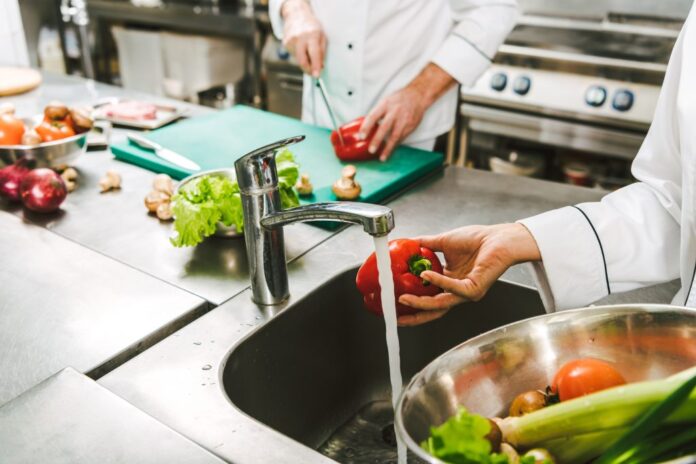

Busy restaurants move fast from opening tasks to prep work, cooking, service rushes, dishwashing, and closing routines. In that pace, cleanliness can either stay built into the operation or start falling behind in ways that become visible at the worst possible moment. Inspection readiness is not something most kitchens can create in a rush on the morning of a visit. It depends on daily conditions, staying controlled long before anyone walks through the door with a clipboard. Commercial kitchen cleaning matters because it supports the kind of consistency that helps restaurants stay prepared, safer, and more manageable under pressure.
Inspection Readiness Every Day
- Daily Cleaning Keeps Small Problems From Becoming Inspection Risks
One of the main ways commercial kitchen cleaning supports inspection readiness is by preventing small issues from building into visible violations. In a busy restaurant, grease, food particles, spills, dust, and residue can collect quickly on floors, prep surfaces, splash zones, storage shelves, equipment edges, and hard-to-reach corners. During active service, staff often focus first on speed, customer orders, and immediate food safety needs, which means less obvious buildup can remain in the background until it becomes hard to ignore. Restaurants that invest in Commercial Kitchen Cleaning in Sydney often do so because they understand that daily cleaning support helps stop these gradual problems before they affect inspection results. This matters because inspections are rarely influenced only by one dramatic issue. They are often shaped by repeated signs that a kitchen is either staying under control or slowly slipping out of control.
- Cleaning Supports Better Control Over High-Touch and High-Use Areas
Commercial kitchen cleaning also matters because inspections often reflect how well a restaurant manages the areas that are used most frequently. Door handles, prep counters, equipment surfaces, cool room handles, sink surrounds, splashbacks, and shared work zones can quickly accumulate residue when a kitchen is running continuously. These points of contact are important because they reveal whether the rrestaurant’scleaning habits are keeping pace with the intensity of service. A kitchen may look acceptable at first glance, yet still show signs of weak control in the areas staff touch and use most often throughout the day. Commercial cleaning support helps restaurants maintain those zones more reliably so inspectors see evidence of routine care rather than reactive cleanup. That difference matters because high-use areas often tell the real story of how a kitchen operates when no one is staging it for inspection.
- Clean Floors and Drain Areas Show Operational Discipline
Floors, corners, and drain areas often say more about a kitchen’s daily discipline than owners realize. These spaces are easy to overlook during a rush, yet they collect grease, crumbs, moisture, packaging debris, and tracked residue faster than almost any other part of the kitchen. When these areas are neglected, the problem affects more than appearance. It can signal weak routine control and make the overall environment feel harder to manage. Commercial kitchen cleaning supports inspection readiness by keeping these lower-visibility areas from becoming obvious trouble spots. A clean floor, a well-maintained base area, and a drain zone that shows no buildup help the whole kitchen appear more orderly and consistently maintained.
- Equipment Cleaning Helps Kitchens Look Ready Instead of Rushed
Another reason commercial kitchen cleaning matters is that equipment surfaces often reveal whether a restaurant is keeping up with cleaning between busy services. Ovens, fryers, grills, refrigeration exteriors, shelving units, and preparation equipment can accumulate grease film, crumbs, fingerprints, and stains, making the kitchen appear rushed rather than controlled. Even when food preparation is handled properly, dirty equipment can undermine the impression that the operation is fully on top of its standards. Inspection readiness improves when this equipment is cleaned in a way that keeps the kitchen looking cared for as a whole, not just usable enough to get through another shift. This matters because inspectors are not only looking at what is actively being cooked. They are also judging how well the environment around that work is being maintained. A kitchen that keeps equipment visibly cleaner often feels more stable, more disciplined, and more prepared. Commercial cleaning support helps restaurants maintain that standard without relying entirely on already-busy kitchen staff to handle every buildup issue during or after an exhausting service day.
- Consistent Cleaning Helps Staff Stay Aligned With Kitchen Standards
Commercial kitchen cleaning supports inspection readiness not only through the surfaces themselves, but also through the routines it reinforces among staff. When a kitchen stays cleaner day after day, employees are more likely to work within an environment that feels organized and easier to maintain. Clean zones encourage cleaner habits because tools, workstations, and storage areas already operate to a higher standard. On the other hand, if the buildup becomes normal, staff can gradually start treating mess, grease, clutter, and neglected corners as unavoidable parts of the job rather than issues to be corrected. This shift matters because inspection readiness depends as much on culture as on the final visible result. Restaurants that maintain a dependable cleaning routine usually make it easier for everyone in the kitchen to understand what acceptable daily conditions look like. That kind of alignment can improve how quickly spills are handled, how carefully prep areas are reset, and how consistently closing routines are completed. Commercial cleaning becomes part of the broader system that keeps operational standards from drifting under pressure.
Inspection Confidence Comes From Daily Conditions
Commercial kitchen cleaning supports better inspection readiness in busy restaurants because inspections reflect the daily condition of the kitchen, not just its appearance on one hurried day. Clean equipment, controlled prep areas, maintained floors, and stronger habits around high-use surfaces all help the operation look more organized and more dependable. That consistency matters in busy food environments where buildup can happen quickly, and small lapses can become visible problems. When commercial cleaning is part of the routine, restaurants are better prepared without relying on last-minute effort. A cleaner kitchen usually feels calmer, safer, and much easier to keep inspection-ready over time.