
Long refrigerant runs can affect how well an HVAC system cools, heats, and protects its internal parts. When the indoor and outdoor units are far apart, the refrigerant must travel a longer path before completing the cycle. If that path is poorly planned, the system may lose efficiency, struggle with oil return, face pressure changes, or work harder than needed. Careful planning helps match the route, pipe size, insulation, bends, and installation method to the system’s needs. This early attention supports steadier performance, fewer comfort complaints, and a longer working life for important equipment components.
Planning for Long Runs
- Proper Sizing Helps Refrigerant Move Correctly
Refrigerant piping must be sized carefully because long runs increase the distance the refrigerant must travel between the outdoor unit and the indoor coil. If the piping is too small, the system may face pressure drop, restricted flow, and reduced capacity. If it is too large, refrigerant velocity may become too low, making oil return more difficult. Oil must return to the compressor because it protects the system’s moving parts. Poor sizing can cause the compressor to operate under increased strain, which can shorten equipment life. A well-planned HVAC Line Set helps maintain proper refrigerant movement, supports oil return, and reduces performance loss in long refrigerant runs. Planning also considers manufacturer limits, vertical rise, total length, and the number of bends in the route. These details help the system operate closer to its designed capacity, rather than losing output because the piping path was treated as an afterthought.
- Route Design Reduces Pressure and Flow Problems
The route between indoor and outdoor equipment matters almost as much as the pipe size. A long path with many sharp bends, unnecessary turns, or awkward vertical changes can create added resistance. Every bend affects how refrigerant flows, and too many changes in direction can increase the pressure drop. During planning, installers can look for the cleanest path that still protects the piping from damage, heat exposure, and service access problems. A shorter and smoother route often helps the system maintain steadier refrigerant flow. This does not mean the straightest path is always possible, because walls, framing, floors, roofing, and outdoor placement can limit choices. However, careful layout decisions can prevent avoidable restrictions. Good planning also helps avoid placing piping where it may be crushed, exposed to sharp edges, or difficult to inspect later. When the route is planned before installation begins, the system is more likely to deliver consistent comfort without unnecessary mechanical strain.
- Insulation Protects Temperature and Efficiency
Long refrigerant runs can lose performance when insulation is missing, damaged, or poorly fitted. Refrigerant travels at controlled temperatures, and the surrounding environment can affect how well that temperature is maintained. In warm spaces, poor insulation may allow unwanted heat gain. In cooler or damp areas, it may cause condensation problems or reduce the system’s ability to perform efficiently. Proper insulation helps protect the suction side of the piping and prevents energy waste before the refrigerant reaches the equipment. Planning also includes choosing insulation thickness, sealing gaps, protecting outdoor sections, and keeping insulation continuous around bends and joints. Small openings may seem minor, but over a long distance they can add up to measurable loss. Insulation also helps reduce sweating that can damage nearby materials, ceilings, or walls. When insulation is considered during planning rather than added carelessly at the end, the system is better protected against both efficiency loss and moisture-related issues.
- Long Runs Require Careful Charging and Testing
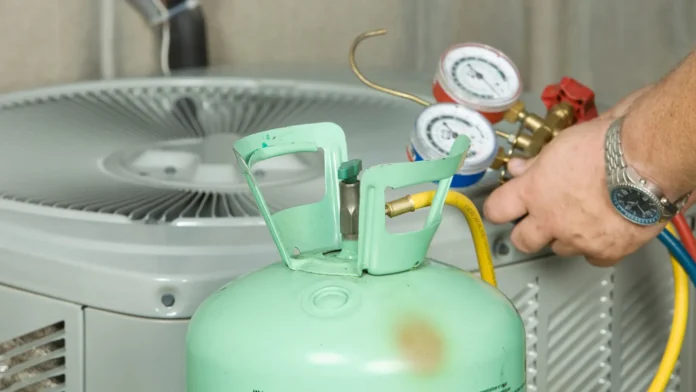
Even when the piping route and size are correct, long refrigerant runs often require accurate refrigerant charging and careful system testing. Many HVAC systems come with a factory charge meant for a standard length. When the run is longer, additional refrigerant may be needed per the manufacturer’s instructions. Too little refrigerant can reduce cooling capacity and cause the system to run longer than necessary. Too much refrigerant can also create problems, including pressure issues and poor operation. Planning helps installers know the total length before charging, so the refrigerant amount can be adjusted properly. Testing is also important because leaks, poor brazing, trapped moisture, or air inside the system can reduce performance. A proper vacuum, pressure check, and startup reading help confirm that the installation is ready for use. Long runs leave less room for careless work because small errors can become larger performance problems over distance.
HVAC refrigerant run planning helps prevent performance loss by addressing pipe size, route design, insulation, refrigerant charge, and testing before problems appear. Long runs place greater demand on the system because the refrigerant must travel farther while maintaining pressure, temperature, and oil flow. When planning is handled carefully, the equipment can operate with better consistency and less strain. Homeowners benefit through steadier comfort, fewer efficiency concerns, and reduced risk of early compressor wear. A thoughtful installation layout can make the difference between a system that struggles over distance and one that performs reliably through daily heating and cooling needs.