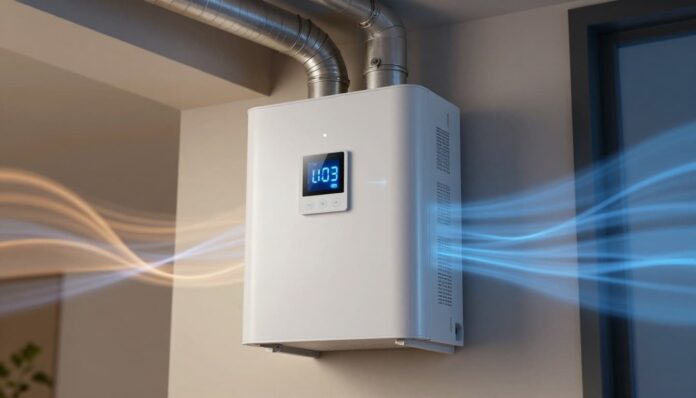

Short cycling happens when a heating or cooling system turns on and off too often without completing a full comfort cycle. At first, it may seem like a minor annoyance, but each quick start places extra stress on motors, compressors, relays, and other working parts. Rooms may feel uneven, energy bills may rise, and the system may struggle to control humidity. An HVAC contractor helps by identifying the cause of repeated starts rather than just resetting the unit. Early attention can reduce wear, improve comfort, and prevent a small operating issue from becoming expensive equipment damage.
What the Repair Involves
- Finding the Cause Behind Repeated Starts
An HVAC contractor usually begins by asking when short cycling occurs, how long each cycle lasts, and whether the problem occurs during heating, cooling, or both. These details help narrow down the cause before any parts are changed. A dirty air filter, a blocked return vent, a faulty thermostat, a frozen coil, low refrigerant, a clogged drain, a weak capacitor, or an oversized unit can all cause similar symptoms. The contractor may check airflow, temperature readings, thermostat placement, electrical signals, and system pressure to see what is forcing the unit to shut down early. HVAC contractor in Panama City services can help homeowners identify whether short cycling is caused by airflow restriction, control failure, or a deeper equipment problem before damage spreads. This careful process matters because guessing can lead to repeated repairs, while the system continues to strain itself every time it restarts.
- Checking Airflow and Heat Movement
Airflow problems are one of the most common reasons a system short cycles. When air cannot move properly across the coil or heat exchanger, the unit may overheat or freeze, triggering safety controls that shut it down before the cycle finishes. An HVAC contractor checks filters, return grilles, supply vents, duct bends, blower settings, and coil surfaces to see whether air is moving freely. Dust buildup on indoor components can act like a blanket, preventing heat from transferring as it should. Closed vents in several rooms can also raise pressure in the duct system and cause the equipment to work harder than intended. If the blower motor is weak or the fan speed is wrong, the system may not move enough air to complete a normal cycle. Restoring airflow helps the equipment run longer, steadier cycles, which reduces hard starts and keeps temperatures more even throughout the home.
- Testing Controls, Sensors, and Electrical Parts
Short cycling can also begin with the controls that signal when to start and stop the system. A thermostat placed near direct sunlight, a supply vent, a warm appliance, or a drafty hallway may read the room incorrectly and shut the system off too soon. An HVAC contractor checks the thermostat’s calibration, wiring, batteries, and location to ensure the signal matches the actual indoor temperature. Electrical parts are also important because weak capacitors, failing contactors, loose connections, or damaged relays can interrupt operation. When these parts are worn, the system may start roughly, shut down early, or fail to stay on under load. The contractor can test voltage, amperage, and control signals to confirm whether electrical stress is part of the issue. Fixing these problems early protects the compressor and motor, which can suffer from repeated starts in a short period.
- Looking at Refrigerant, Sizing, and System Balance
Some short-cycling issues stem from conditions that are less visible to homeowners. Low refrigerant can reduce cooling performance and may cause the coil to freeze, while too much refrigerant can also affect pressure and operation. An HVAC contractor checks refrigerant levels, pressure readings, coil condition, and temperature split to see whether the system is moving heat properly. Equipment size is another concern. A unit that is too large for the home may cool or heat the space quickly but shut off before air has circulated well enough for steady comfort. That can leave warm and cool spots, poor humidity control, and repeated cycling. The contractor may review duct design, insulation, thermostat location, and equipment capacity to understand the full comfort setup. When the system is balanced correctly, it can run in smoother cycles that protect parts and help the home feel more consistent.
Protecting the System from Bigger Repairs
Fixing short cycling early is one of the simplest ways to protect an HVAC system from avoidable damage. Every start requires a surge of energy, and constant starting can wear down parts faster than steady operation. An HVAC contractor helps by identifying the root cause, correcting airflow problems, testing controls, checking electrical components, and reviewing refrigerant levels or sizing concerns. Once the issue is repaired, the system can complete full cycles, control temperature more evenly, and operate under less strain. Regular maintenance after the repair also helps catch small changes before they turn into another short-cycling problem.