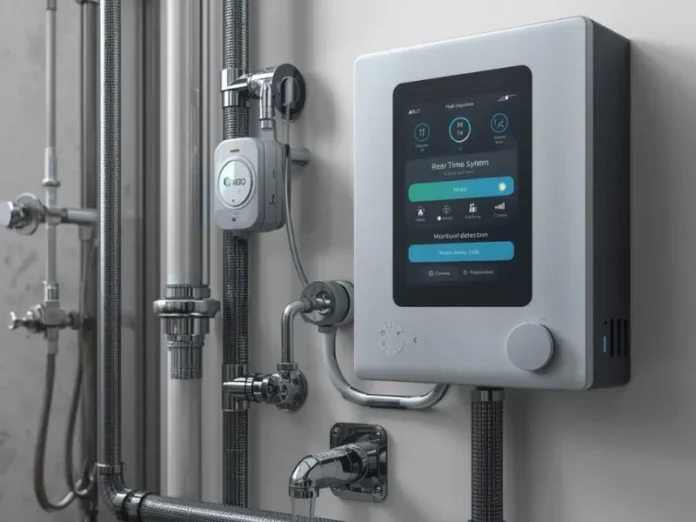

Smart leak detection and automatic shutoff systems are becoming more appealing to homeowners who want to reduce the risk of hidden leaks, burst pipes, and expensive water damage. These upgrades promise faster alerts and quicker responses when something goes wrong, but the technology works more effectively when the surrounding plumbing system is properly understood first. A plumber helps homeowners prepare by identifying the main risks, checking whether existing pipes and valves are in good enough condition, and ensuring the home is ready for a device that interacts directly with water flow. That preparation gives the upgrade a stronger foundation.
Preparing the Plumbing First
- Why the Existing System Matters Before New Technology Is Added
A smart leak detector or automatic shutoff device may sound like a simple upgrade, but the plumbing system it connects to is often more complicated than homeowners realize. Pipe age, valve condition, water pressure, fixture layout, and the location of the main shutoff all influence how smoothly the installation can go and how reliably the system will work afterward. A plumber helps by evaluating those conditions before any device is added, rather than assuming the home is already ready for the new technology. That step matters because a home with aging shutoff hardware, inconsistent pressure, or hard-to-access plumbing may need attention before a smart device can perform as intended. Some homeowners researching Superior Plumbing & Heating of Kingston of Kingston may be doing so because they want to understand whether their current plumbing setup can support this kind of upgrade without creating added complications. This kind of early assessment can prevent a situation in which a homeowner installs a modern monitoring system on top of outdated plumbing, leaving the home still vulnerable. The technology may be new, but its usefulness depends heavily on the condition and layout of the pipes, valves, and water entry points already in place.
- Identifying the Areas Where Leaks Are Most Likely to Start
One of the most practical ways a plumber helps is by identifying where water problems are most likely to begin before the smart system is installed. Many homeowners think about leak detection in general terms, but plumbing risks are rarely spread evenly throughout a home. Washing machine supply lines, water heaters, under-sink connections, toilets, older shutoff valves, and exposed basement piping may present varying levels of concern depending on the system’s age and condition. A plumber can review those locations and help the homeowner determine whether the smart upgrade should be paired with preventive repairs, replacement of weak components, or changes to the system’s configuration. This makes the investment more useful because the homeowner is not simply adding sensors and hoping for the best. Instead, the technology is being introduced with a clearer understanding of where it will provide the most value. That guidance also helps homeowners think more strategically about placement, priorities, and how automatic shutoff protection fits into the house’s actual plumbing layout. By locating the more vulnerable parts of the system first, a plumber helps turn a smart device from a general convenience into a more targeted form of protection against costly water damage.
- Making Sure Shutoff Control Will Work When It Is Needed Most
Automatic shutoff sounds reassuring because it suggests the home can react quickly to a leak even when no one is there, but that response depends on more than software or sensors. The shutoff mechanism must work reliably with the home’s plumbing, and that is where a plumber becomes especially important. The main water line, valve accessibility, pipe material, and installation location all affect whether the shutoff device can be added properly and whether it can stop water flow effectively during a real problem. A plumber can determine if the existing shutoff valve is still in good condition, whether it should be replaced first, and whether the installation site allows the equipment to function without strain or awkward placement. This matters because an automatic shutoff system is only as useful as its ability to act quickly and fully when a leak is detected. If the supporting plumbing is neglected, the homeowner may gain alerts without gaining dependable control. A plumber helps avoid that weakness by ensuring the home is not only equipped to detect trouble but also physically prepared to respond to it in a way that limits damage when every minute counts.
- Helping Homeowners Match the Upgrade to Daily Household Use
Not every household uses water in the same way, and that is another reason a plumber plays an important role in preparing for smart leak detection and shutoff upgrades. A family with multiple bathrooms, an irrigation system, a finished basement, and frequent appliance use may need a different approach than a smaller household with simpler plumbing demands. A plumber can help homeowners consider how water moves through the property day to day, which parts of the system are used heavily, and which conditions might trigger alerts or affect how an automatic shutoff device behaves. This kind of preparation helps the upgrade feel more practical and less confusing after installation. It also supports better expectations, since homeowners can understand whether additional sensors make sense, whether certain plumbing fixtures should be updated first, and how the system may interact with normal household routines. That guidance is valuable because new technology often creates confidence very quickly. Still, confidence works better when it is supported by a realistic picture of the home’s plumbing habits and limitations. A plumber helps connect the promise of smart protection to how the household actually uses water, making the system feel more relevant and dependable over time.
Building Smarter Protection on a Stronger Plumbing Base
Smart leak detection and automatic shutoff upgrades can offer homeowners greater peace of mind, but the technology works more effectively when the plumbing system is properly prepared. A plumber helps by evaluating valves, identifying risk points, checking the system’s condition, and ensuring the home can support both the monitoring and shutoff sides of the upgrade. That preparation turns the installation into more than a gadget purchase. It becomes part of a broader effort to protect the home from preventable water damage. When the plumbing foundation is understood first, smart water protection becomes far more useful in everyday life.