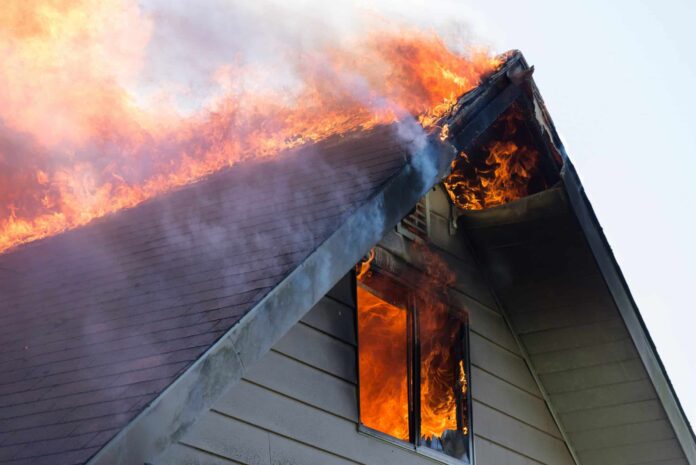

Smoke and flames can spread quickly through a building when walls, ceilings, doors, and openings do not provide sufficient separation. A protective building barrier helps slow that movement by dividing spaces, limiting heat transfer, and giving people more time to leave safely. It also supports emergency response by keeping danger from spreading across every room at once. In homes, offices, warehouses, schools, and commercial buildings, this kind of protection can reduce damage and protect escape paths. When installed and maintained correctly, it becomes an important part of a safer building design during a fire, when every minute counts.
How Containment Works
- Separation Limits Fast Movement
A protective building assembly helps slow the spread of smoke and flames by creating a controlled separation between rooms, hallways, mechanical areas, storage spaces, and other parts of a structure. When flames reach a rated wall or ceiling system, the materials are designed to resist heat for a set period of time rather than allowing the fire to pass through immediately. A properly installed fire barrier can help contain an emergency to one section long enough for occupants to move away and responders to reach the area. This delay matters because flames can grow faster when they find open paths, exposed gaps, or connected voids. Strong separation reduces those paths and forces heat, smoke, and pressure to meet resistance. That resistance can significantly affect how quickly conditions worsen throughout the building, particularly when people are trying to exit via nearby corridors or when responders are entering rooms under pressure.
- Smoke Control Protects Escape Routes
Smoke is often one of the most dangerous parts of a building emergency because it can travel ahead of flames and make escape routes hard to use. It can move through cracks, open doors, gaps in walls, utility penetrations, ceiling spaces, and poorly sealed joints. A rated separation system helps slow this movement by closing off paths that would otherwise allow smoke to spread freely. When smoke is contained longer, hallways, exits, and stairwells may remain more usable for occupants who need to leave. This added time can be critical in larger buildings where people may be on different floors or far from the nearest exit. Smoke control also helps improve visibility and reduces confusion during evacuation. If a building’s protective assemblies are damaged, altered, or left with unsealed openings, smoke can bypass them quickly. During a tense exit, every clearer step can matter.
- Heat Resistance Reduces Structural Stress
Heat can weaken building materials even before flames reach every area. High temperatures can damage framing, ceilings, doors, insulation, and mechanical spaces, creating dangerous conditions beyond the room where the emergency began. Protective wall and floor assemblies are built to resist heat transfer for a measured period, helping nearby areas remain more stable. This does not mean the building is immune to damage, but it can slow the process and reduce immediate exposure. The added time can help people evacuate and allow responders to plan their approach with less rapid spread across the structure. Heat resistance is also important around garages, storage rooms, utility spaces, kitchens, equipment rooms, and shared walls in multi-unit buildings. These areas may contain materials, wiring, appliances, or equipment that can add to the danger if exposed too quickly. By holding back heat, rated assemblies help prevent one problem area from affecting the entire property at once.
- Proper Openings Keep Protection Intact
A protective wall or ceiling system is only as strong as the openings passing through it. Pipes, cables, ducts, vents, access panels, doors, and windows can create weak points if they are not properly sealed or rated. Flames and smoke naturally look for the easiest route, and even a small gap can allow dangerous movement into another space. Fire-rated doors must close correctly, latches must hold, and seals must remain in good condition. Penetrations around wiring and plumbing need approved materials that match the protection required for that area. When these details are ignored, the wall may look complete but fail to perform as intended. Regular attention to openings helps maintain continuity of separation. This is important after renovations, repairs, equipment upgrades, or tenant changes, because new holes are often made for cables, pipes, or ducts. If those openings are not restored correctly, the building’s protective plan can lose much of its value.
- Compartment Design Reduces Total Damage
One key purpose of protective separation is compartment design, which means dividing a building into sections so danger cannot move everywhere at once. This approach helps limit damage by containing smoke, heat, and flames in a smaller area for longer. A single room, corridor, equipment area, or floor may still be affected, but the rest of the building may have more time before conditions worsen. This can protect stored goods, offices, apartments, documents, machinery, and other property outside the affected area. It can also help responders focus on the main problem rather than immediately facing a building-wide spread. Compartment design is useful in many settings, from multi-family buildings to warehouses and commercial spaces. It works alongside alarms, sprinklers, exits, and emergency plans rather than replacing them. When all these parts support one another, the building has a stronger chance of slowing damage and protecting people during a serious event.
- Maintenance Keeps Protection Reliable
Protective assemblies need ongoing attention because buildings change over time. A wall may be cut for new wiring, a rated door may stop closing fully, sealant may crack, or ceiling materials may be removed for repairs and never restored correctly. These small changes can reduce the system’s ability to slow down smoke and flames. Maintenance helps identify weak points before an emergency occurs. Property owners and managers should pay attention after remodeling, equipment work, plumbing changes, cable installation, and routine repairs. Even everyday use can create problems, such as doors being propped open or damaged by carts and heavy movement. Keeping the system reliable means verifying that separations remain continuous, openings remain sealed, and closing devices operate as intended. A building may have been designed with strong protection, but that protection must remain intact through years of use. Without maintenance, hidden gaps can become shortcuts for smoke and heat.
Protective building separation helps slow the spread of smoke and flames by dividing spaces, resisting heat, sealing travel paths, and supporting safer evacuation. It gives occupants more time to leave and helps responders face a more controlled situation. Its value depends on more than the original materials; doors, joints, penetrations, and repairs must all remain properly handled. When these systems are maintained, they can reduce damage, protect escape routes, and prevent one affected area from spreading danger throughout the whole structure too quickly. For many buildings, this protection is a quiet but essential part of safety when trouble begins unexpectedly.