
Pick a drone with camera for travel by focusing on five essentials: portability, camera quality, flight performance, safety features, and legal compliance. A travel drone should fit easily in your bag, stay light enough for frequent carrying, and set up quickly when a scene appears. It also needs image quality that matches your goals, whether you want casual vacation clips, social content, or polished landscape footage. Strong battery life, stable flight in changing weather, and beginner-friendly controls matter just as much as camera specs when you are away from home. Before you buy, think about where you travel most often, how much gear you already carry, and whether you prefer standard aerial footage or more immersive shooting options that give you extra framing flexibility later.
Check Size, Weight, and Travel Practicality
Choose a Lightweight, Packable Drone
For travel, smaller usually works better. A lightweight, packable drone is easier to carry through airports, fit into day bags, and deploy quickly at viewpoints, beaches, or city stops. Look for a folding design, a slim controller, and batteries that do not turn your kit into a heavy burden after a full day of walking. Fast setup matters because travel shooting often happens in short windows, such as sunrise, changing weather, or a brief stop on a road trip. Also consider how much protection the drone needs in transit. A compact model with a well-designed case or pouch is more likely to survive crowded luggage, frequent transfers, and the general wear that comes with constant movement.
Check Drone Rules Before You Pack
Travel practicality is not only about physical size. You also need a drone camera that fits the rules where you are going. Many destinations regulate drones based on weight, registration category, operating distance, altitude, and whether you fly near airports, cities, beaches, or protected areas. Checking the rules before you pack prevents wasted space in your bag and avoids problems at customs or during your trip. Review airline guidance for batteries as well, since spare batteries often must travel in carry-on luggage. If you plan to use first-person-view accessories, verify local requirements for visual observers and permitted operating areas. A compact setup is only practical when you can legally and confidently use it once you arrive.
Decide What Camera Quality Your Trips Need
Compare Resolution, Stabilization, and Field of View
Start with the kind of footage you actually want to keep. Higher resolution helps when you crop landscapes or edit vertical clips from horizontal footage, while strong stabilization keeps travel videos smooth during movement and light wind. Field of view also matters. A wider view captures dramatic coastlines, city skylines, and mountain scenes, but it can make distant subjects look smaller. If you want immersive FPV viewing, the Vision Flight Goggles of Antigravity A1 add a sharp visual experience with a Micro-OLED display, 2560 × 2560 resolution per eye, a 72 Hz refresh rate, and a 90° diagonal field of view per eye. Those specs support clear real-time viewing and more confident framing while traveling.
Consider 360 Capture for Flexible Travel Shots
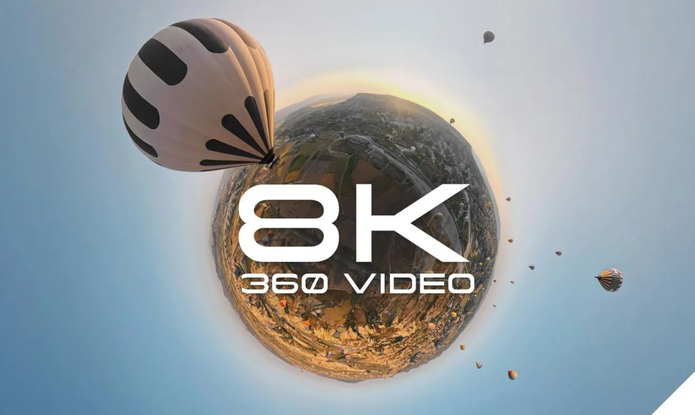
If you want maximum flexibility from a travel shoot, consider a drone setup that supports 360 capture. Standard footage locks you into the angle you chose in the air, but 360 video lets you reframe later for landscape, vertical, or social-first edits without repeating the flight. That can be especially useful when travel time is limited or conditions change quickly. It also helps when you want a more immersive record of a destination rather than a single traditional drone perspective. For travelers who enjoy reviewing or sharing immersive footage, playback features matter too. A viewing system that supports panoramic video playback and a see-through view can make it easier to monitor shots, review scenes, and stay aware of your surroundings.
Evaluate Flight Performance, Safety, and Ease of Use
Check Flight Time, Wind Handling, and Obstacle Avoidance
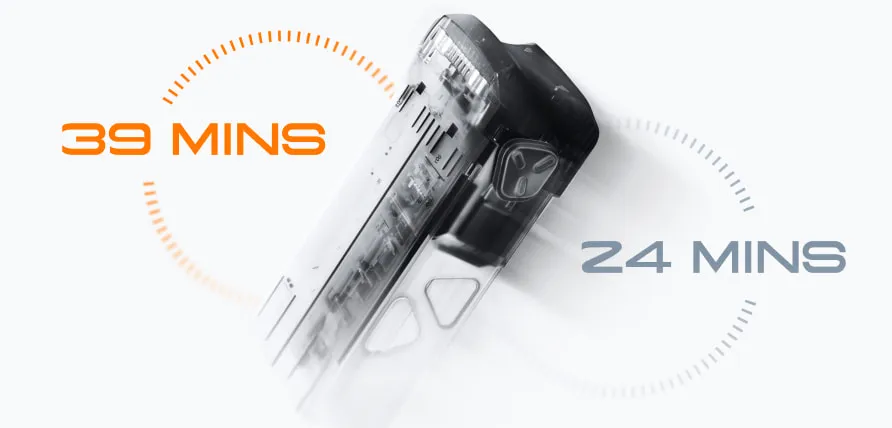
A travel drone needs enough flight time to let you compose shots without rushing, especially when you hike to a location or wait for changing light. Look for realistic endurance, not just best-case claims, and factor in how wind and repeated takes reduce battery life. Wind handling matters because open viewpoints, coastlines, and mountain areas can shift from calm to challenging fast. Stable hovering and responsive control help protect both your footage and your drone. Obstacle avoidance is another valuable safety feature, particularly when flying near trees, cliffs, buildings, or unfamiliar terrain. For occasional travelers and newer pilots, these systems reduce stress and make it easier to focus on composition while maintaining safer operating habits in changing environments.
Look for Simple Controls and Flexible Framing
Ease of use makes a major difference on the road. A drone with simple controls, clear menus, and quick access to common shooting modes helps you capture scenes before the moment passes. Automated takeoff, return-to-home, subject tracking, and preset flight paths can be genuinely useful when you travel alone and need consistent results without a complicated setup. Flexible framing tools matter too. You may want to switch between wide scenic shots, lower cinematic passes, and tighter compositions for landmarks or road scenes. A system that helps you preview framing clearly and adjust comfortably for longer sessions can improve the experience. The best travel drone is one you can fly confidently, quickly, and safely without interrupting the trip.
Conclusion
To pick the right drone with camera for travel, choose a model that balances portability with the image quality and flight confidence you actually need. Prioritize a lightweight design, simple packing, and legal use at your destination first. Then match camera features to your travel style, whether that means crisp standard footage, immersive FPV viewing, or flexible 360 capture for reframing later. Do not overlook practical performance like battery life, wind stability, obstacle sensing, and easy controls, because those details shape the real travel experience more than headline specs alone. A good travel drone should feel easy to carry, quick to launch, and dependable in unfamiliar places. When those factors align, you are far more likely to bring it along and use it well.