
Choosing the right solar generator size starts with a simple question: what do you need it to power, and for how long? A unit that is too small may shut down under heavy loads or run out of battery too quickly. One that is too large can cost more and weigh more than necessary. The best choice balances output wattage, battery capacity, charging options, and portability with your actual use case. That could mean keeping essentials running during an outage, powering electronics at a campsite, or building a reliable emergency backup plan. Once you understand how many watts your devices need and how many watt-hours you use in a day, the right size becomes much easier to identify and compare with confidence.
Start by Calculating Your Power Requirements
List the Devices You Plan to Power
Begin with a clear list of everything you expect to run from the solar generator. Include essentials first, such as lights, phones, laptops, routers, CPAP machines, fans, or a refrigerator. Then add optional items like a TV, coffee maker, electric cooler, or small kitchen appliances. Be realistic about what you will use at the same time, because total simultaneous demand determines the generator’s output requirement. It also helps to separate must-have devices from nice-to-have loads. That makes it easier to prioritize power during outages or long trips. Check the appliance label, user manual, or power adapter for wattage information, and write each item down before moving to the next step.
Estimate Running Watts, Starting Watts, and Daily Energy Use
After listing your devices, estimate how much power they draw. Running watts cover normal use, while starting watts apply to equipment with motors that briefly surge above their rated power. If a refrigerator runs at 150W but starts at 600W, your solar generator must handle that higher surge. Next, calculate daily energy use by multiplying each device’s wattage by the number of hours you plan to use it. For example, a 60W laptop used for five hours needs 300Wh. Add all device totals to get your daily watt-hour requirement. Then compare that number with battery capacity. A generator rated at 1,024Wh can theoretically run a 100W load for about ten hours, though real runtime will be lower after inverter losses and usage patterns are considered.
Consider Where and How You’ll Use Your Solar Generator
Home Backup, Outdoor Activities, or Emergency Preparedness
Use case should guide size selection. For home backup, many people want to keep a refrigerator, internet equipment, lights, phones, and small electronics running, which usually calls for a mid-size to larger unit with strong AC output and solid battery capacity. For outdoor activities, a smaller generator may be enough if you only need to charge phones, cameras, laptops, lights, or a portable cooler. Emergency preparedness often sits between those two needs: enough capacity for essential loads, but still easy to store and deploy quickly. Think in terms of priorities. If life, comfort, or communication depends on the generator, size for essentials first and make sure the unit can handle both the surge and runtime those critical devices require.
Portability, Solar Charging Speed, and Future Expansion
Size is not only about power; it also affects convenience. Larger battery capacity usually means more weight, so choose something you can realistically move, lift, or store. If you plan to recharge with solar panels, pay attention to solar input limits and charging speed. A large battery paired with slow solar charging may take too long to recover during cloudy conditions or repeated daily use. Fast charging becomes especially important for camping, RV use, and extended outages. Future expansion also matters. Some users start with basic backup for lights and electronics, then later want to add more appliances or longer runtime. In that case, a system that supports extra battery capacity or broader charging options can be a smarter investment than buying only for today’s minimum needs.
Compare Available Options Before Making a Decision
Match Different Capacity Ranges to Typical Use Cases
Smaller solar generators are often suitable for phones, tablets, cameras, lights, and laptops. Mid-range models typically support longer runtimes for electronics, portable fridges, routers, fans, and some small appliances. Larger-capacity units are better suited to home backup essentials, higher-wattage devices, and users who need more runtime during outages. As a practical rule, choose a capacity range that covers your daily energy use with reserve left over, and select an output rating that can handle the highest combined load plus any startup surge from motor-driven appliances.
Explore EcoFlow Solar Generator Solutions
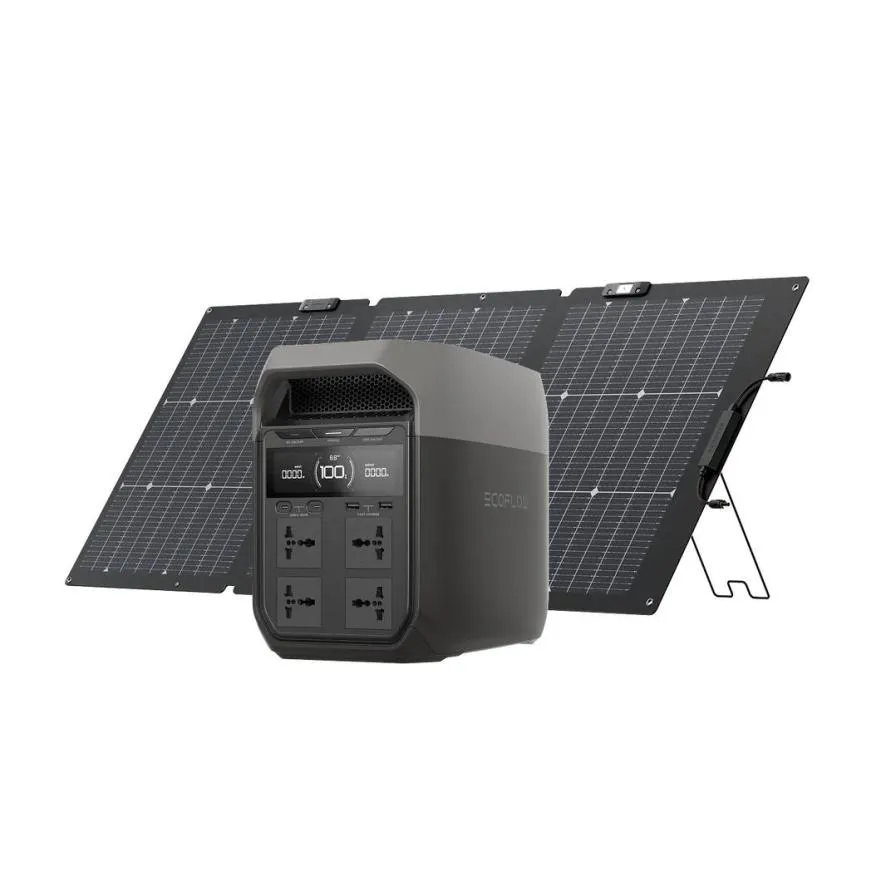
EcoFlow offers solar generator solutions across several capacity ranges, which can make it easier to match a system to light portable use, weekend trips, or more demanding home backup needs. When comparing options, look at usable battery capacity, inverter output, supported solar input, and whether expansion is available for longer runtime later. For shoppers who want a clearer path from basic backup to a more capable setup, that range can simplify the selection process. The key is still the same: choose the model that fits your actual wattage and runtime requirements rather than paying for capacity you are unlikely to use.
Conclusion
Choosing the right solar generator size comes down to a straightforward process: list your devices, total their running and starting watts, estimate daily watt-hour use, and match those numbers to the way you plan to use the unit. From there, consider whether you need easy portability, faster solar recharging, or room to expand later. A smaller model works well for charging personal electronics and light outdoor use, while larger systems are better for backup power and longer runtimes. When you size a solar generator around real energy needs instead of guesswork, you get more reliable performance, better value, and greater confidence that your essential devices will stay powered when you need them most.