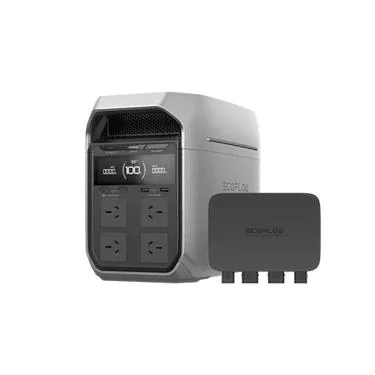

Choosing the right dual battery system starts with a simple question: what do you need to power, and for how long? A well-matched system keeps essential accessories running without draining your starter battery, which is critical for touring, camping, trade vehicles, and off-grid work setups. The best choice is based on daily power use, battery chemistry, charging method, and the amount of space available in your vehicle. It should also suit how you travel, whether that means short weekend trips, regular job-site use, or extended remote stays. By assessing those factors in the right order, you can avoid undersizing, overspending, or installing components that do not work efficiently together. The goal is a system that is reliable, practical, and easy to expand when your needs grow.
Identify Your Power Needs Before Choosing a Dual Battery System
Calculate the Appliances and Devices You Need to Run
Begin with a power audit. Check the wattage or current draw of each appliance and multiply it by the number of hours you expect to use it each day. For example, a portable fridge running all day, LED camp lights used for several hours, and regular charging for phones or tablets can quickly add up. If you use 240V appliances through an inverter, include inverter losses as well. Daily energy use is usually measured in amp-hours, and this figure becomes the foundation for choosing your battery size. Add a safety margin so the system can handle warmer weather, longer runtimes, or unexpected usage. A clear load calculation helps you avoid a battery that is too small to be useful or too large for your actual needs and budget.
Match Battery Capacity to Your Travel or Work Routine
After estimating daily usage, choose a battery capacity that matches how often the battery will be recharged. If you drive every day, a smaller auxiliary battery may be enough because the charging system gets regular opportunities to top it up. If you spend nights camped in one place or operate tools away from mains power, a larger capacity becomes more important. For regular touring or remote work, enough stored energy for at least one to two days can provide a more practical buffer. Battery chemistry matters here too, because some types allow deeper discharge and faster charging than others. Matching capacity to your routine means balancing usable energy, recharge time, weight, and cost so the system supports the way you actually use your vehicle.
Compare the Key Components of a Dual Battery System
Choosing Between Different Battery Types
Battery type shapes the whole system. AGM batteries are widely used because they are sealed, durable, and generally more affordable than lithium, making them a practical option for moderate power demands. They are well suited to many touring and work vehicles, but they are heavier and do not offer as much usable capacity for their size. Lithium batteries cost more upfront, yet they provide faster charging, lower weight, deeper usable discharge, and strong performance for high-demand setups. That makes them attractive for travellers running fridges, lighting, inverters, and electronics for longer periods. The right choice comes down to budget, available space, charging setup, and expected usage. For lighter occasional use, AGM may be sufficient. For frequent off-grid travel or higher efficiency, lithium is often the better long-term fit.
Understanding Chargers, DC-DC Systems, and Solar Input
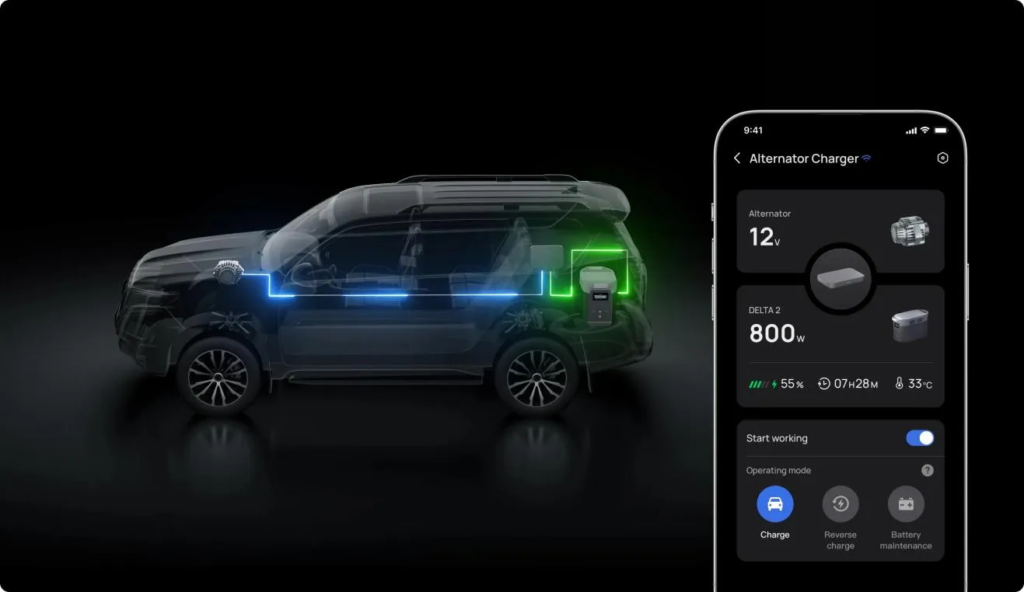
Charging equipment determines whether your auxiliary battery reaches and maintains a healthy state of charge. In many vehicles, especially newer models with smart alternators, a DC-DC charger is the preferred solution because it delivers the correct charging profile for the battery and compensates for voltage drop over cable runs. This is particularly important with lithium batteries, which need precise charging control. An isolator helps protect the starter battery, but it does not replace proper charging management where a DC-DC unit is required. Solar input adds valuable charging support when the vehicle is parked for long periods, extending battery runtime and reducing reliance on engine charging alone. If your travel includes extended stays or remote camps, a system that integrates alternator charging with regulated solar input will deliver much better energy security.
Select a Dual Battery System That Fits Your Vehicle and Lifestyle
Consider Installation Space and Future Expansion
Before selecting components, measure where the battery and charger will be mounted. Under-bonnet, in-cabin, tray, and canopy installations all have different heat, space, and cable-routing requirements. Weight distribution should also be considered, particularly if other accessories are already installed. A system that fits cleanly today should still leave room for future additions such as solar regulators, extra outlets, inverters, or a larger battery bank. Expansion planning is important because power needs often grow once a vehicle is used for longer trips or more demanding work tasks. Choosing components that are compatible with upgrades can save time and money later.
Evaluate Complete Dual Battery System Solutions
A complete dual battery system solution can simplify the selection process because the key components are designed to work together. This can reduce compatibility issues and make installation more straightforward, especially for users who want dependable performance without piecing together every part individually. When evaluating a full system, look for battery compatibility, suitable charging capacity, quality wiring and protection, and support for future solar integration if off-grid use is part of your plan. Also consider whether the setup matches your vehicle layout and expected accessory load. A well-designed package should deliver reliable charging, protect the starter battery, and provide enough stored power for your normal routine.
Conclusion
To choose the right dual battery system, start with your power needs, then match them to the right battery type, charging method, and installation layout. A good system should reliably run your accessories, recharge efficiently, protect your starter battery, and fit your vehicle without wasting space or budget. AGM and lithium each suit different use cases, while DC-DC charging and solar support can make a major difference in real-world performance. By focusing on how you actually travel or work, you can select a dual battery system that is practical now and ready to grow with future demands.