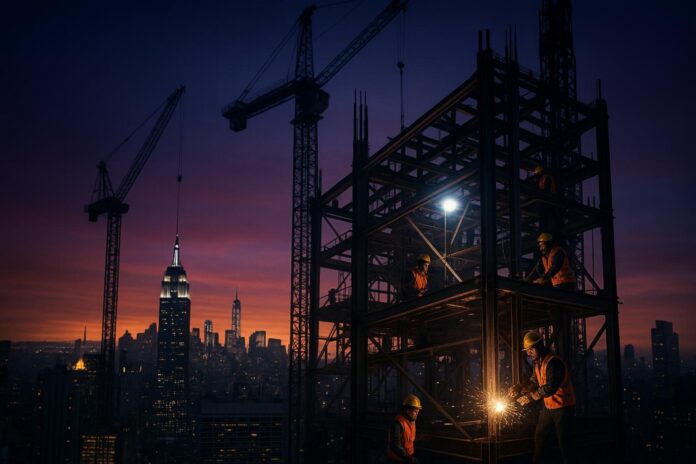

Running complex construction projects in New York City takes skill, planning, and steady problem-solving. It is more than stacking bricks and pouring concrete. It means coordinating people, schedules, budgets, and safety while working around tight streets, busy sidewalks, and strict rules.
A leading construction company in New York handles these large jobs by using a clear process that combines years of experience, modern tools, and strong teamwork. That process can include early planning, detailed budgeting, working through city approvals, and keeping crews aligned, so even difficult projects finish on time, within budget, and at a high quality level.
New York’s crowded spaces, constant activity, and layered regulations call for a higher level of flexibility than many other places. Winning projects usually comes down to using proven methods, checking details early, and planning for problems before they happen. From first drawings to final finishes, the best teams keep the client’s goals front and center and turn complex ideas into real buildings that add to the city skyline.
What Defines a Complex Construction Project in New York?
In NYC, a “complex” project is not just big. It has many moving parts, and the city setting adds extra pressure. These jobs often stretch engineering, logistics, and coordination. They may also need close involvement from senior leaders, even if the company has the size and resources of a much larger firm.
Unique Challenges for Construction Companies in NYC
New York City brings many issues that make projects harder. Space is limited, so staging areas are small and deliveries have to be planned carefully. Removing debris can be just as challenging. Deadlines may be tight because of tenant needs, financing, or city requirements. Costs for labor, materials, insurance, and site logistics are high, so strong cost tracking matters.
On top of that, building codes, zoning rules, and historic preservation requirements can add multiple approval steps that teams must handle correctly. All of this makes project management demanding but also rewarding, and it calls for a flexible team that can respond quickly when surprises come up.
Project Types: High-Rises, Mixed-Use, Adaptive Reuse
New York’s complex projects come in many forms. High-rises, such as the 1.3 million square foot global headquarters for JPMorgan Chase, show how difficult vertical construction and coordination can be. Mixed-use developments combine residential, office, and retail, which means different systems, different schedules, and more stakeholders.
Adaptive reuse projects convert existing buildings for new uses-like turning a warehouse into a modern life science space or updating a historic building into a current events venue. These jobs add extra work because teams must fit new systems into old structures while still meeting today’s code. Clients can include Fortune 500 companies, major law firms, luxury retailers, and hospitality groups.
Factors Contributing to Project Complexity
Complexity also comes from the site and the people involved. A job near an active subway line, a landmark building, or a dense residential block may need special methods, vibration control, and noise limits. Many parties are involved-owners, developers, architects, engineers, subcontractors, city agencies, and sometimes community groups-so communication needs to be steady and organized.
Supply chains and labor availability can also shift quickly in a competitive market like New York, so teams need smart risk planning and backup options. Together, these factors create a difficult puzzle that only experienced firms can manage well.
Frequently Asked Questions about Managing Complex Construction Projects in New York
NYC construction has its own rules and habits, so people often ask similar questions. Here are a few common ones.
Why is managing construction in NYC different from other cities?
NYC construction is different because many challenges stack up at the same time. The city is older, so crews often deal with existing utilities and structures that must be protected or tied into. Space is tight, so deliveries, worker access, and storage have little room for error. Permits, inspections, and code requirements can add many steps, and delays can be expensive.
With so many projects happening at once, there is strong competition for skilled labor and materials. Budgets and schedules are under constant pressure, so planning and daily coordination matter a lot.
Who typically hires a construction manager for complex projects?
For complex projects, especially those above about $1.5 million in construction cost, owners often choose a construction manager (CM). This is common for institutional owners, developers running several projects at the same time, and owners planning to hold a building long term.
A CM-at-risk or an owner’s rep CM can give the owner clearer cost visibility and more direct control over certain risks. This can also help avoid paying a large contingency amount that may be built into a single lump-sum general contractor price.
How is construction management distinct from general contracting?
This difference matters in New York real estate. A General Contractor (GC) usually works under a lump-sum or guaranteed maximum price contract and takes on the risk of the construction cost. The GC hires and manages subcontractors and delivers the project for an agreed price, with profit included in that price. Their financial outcome is tied to how subcontractors perform and what they cost.
A Construction Manager (CM) usually works more directly for the owner, without that same lump-sum risk setup. In many CM models, the owner holds the trade contracts (plumbing, electrical, etc.) and the CM manages those trades and charges a fee. This gives the owner more transparency and more control over spending. The downside is the owner may take on more risk if trade costs come in higher than expected, which can happen in New York’s fast-moving market. A strong CM team can still add major value by managing coordination, pricing, and closeout from early planning through final turnover.
Key Steps Construction Companies Take to Manage Complex Projects
To run demanding NYC projects well, companies follow a clear process made up of repeatable steps.
Comprehensive Preconstruction Planning
Most project success starts before construction begins. During preconstruction, teams plan the work, study the site, and build an accurate budget. Strong firms work closely with clients and design teams to map out key details, focus on cost estimating, and plan site logistics. Budgets are often built from early schematic design through full construction documents.
A good CM also reviews drawings for constructability and flags coordination gaps between trades (for example, structural vs. MEP) before pricing is finalized. Catching these issues early can prevent expensive rework later.
Project Objective Setting and Scope Definition
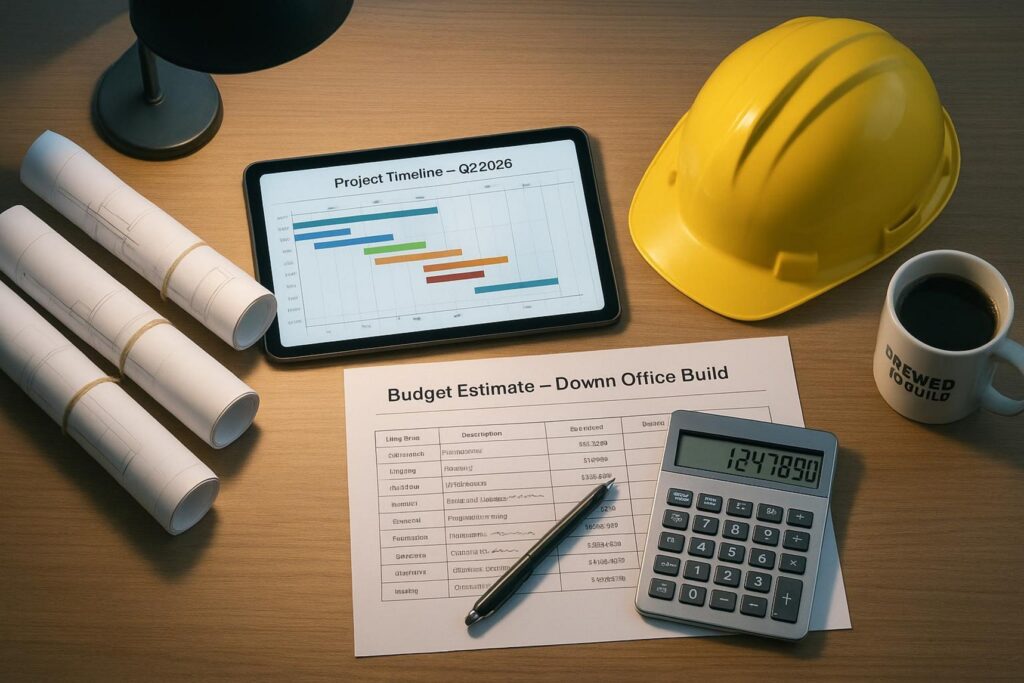
Before work starts, the team needs clear goals and a clear scope. That means defining what the project will deliver and what is included (and not included). When the scope is clear, owners, designers, and field crews are less likely to disagree later. A written scope also helps prevent “scope creep,” where small additions pile up and push the budget and schedule off track.
Budgeting and Financial Controls
Because NYC construction costs are high, cost control has to be constant. Project managers track spending, manage purchasing, and set up processes to reduce waste. Strong budget planning and regular cost reporting help teams spot cost increases early. This also helps find savings that do not reduce quality.
Scheduling and Timeline Management
In New York, schedule pressure is common. Teams break the work into phases and tasks, assign deadlines, and line up labor and materials. During construction, the manager maintains the schedule and coordinates subcontractors day to day. Regular tracking and quick adjustments help keep the job moving and reduce downtime.
Procurement and Contractor Coordination
Procurement often includes writing bid packages for each trade scope and running a competitive bid process. The construction manager supports the owner with bid review and contract negotiations to balance cost, quality, and timing. Once work starts, coordination becomes a daily need. The CM often acts as the main point of contact between the owner and the trades, helping teams stay aligned and solving problems quickly.
How Construction Companies in New York Ensure Regulatory Compliance
NYC has one of the toughest regulatory environments. Following the rules is a core part of staying safe, avoiding delays, and finishing the project.
Navigating NYC Building Codes and Permitting
Construction teams must know NYC building rules well, covering areas like fire safety, structure, and accessibility. Codes change over time, so staying current matters. If a team misses a requirement, it can lead to fines, stop-work orders, and schedule impacts. Experienced firms keep up with updates, plan approvals early, and organize permit needs before field work ramps up.
Meeting State and Local Environmental Requirements
NYC projects also have environmental rules that affect how sites run. Many construction companies now focus on reducing environmental impact through company-wide actions. This can include better waste sorting, lower emissions from equipment, noise control, and correct handling of hazardous materials. Green building services are also becoming more common as owners push for more sustainable projects.
Managing Inspections and Approvals
From early work through the final certificate of occupancy, inspections happen often, especially through the Department of Buildings (DOB). Managers coordinate inspections, track changes, and manage the cost impacts of revisions. Near the end, the CM helps run the punch list, schedules final DOB sign-offs, and collects warranty paperwork and closeout documents so the owner can operate the building legally and smoothly.
How Do Construction Companies in NYC Mitigate Risks?
NYC projects can change quickly, so risk planning is a core part of strong project delivery.
Proactive Risk Assessment and Management
Every construction job includes risk-material price swings, weather, delivery delays, and more. Strong NYC firms start risk reviews early and repeat them often. They identify possible problems, plan actions to reduce them, and set aside resources for key weak points. This helps prevent small issues from turning into major delays.
Site Safety Protocols and Compliance
Safety is a must on any site, and NYC adds extra concern because the public is close by. Companies follow OSHA rules and local safety requirements, train workers, run safety audits, and use the right protective equipment and site controls. Strong safety habits protect workers and also build trust with owners and investors.
Contingency Planning for Unexpected Events
Even with strong planning, surprises happen. Backup planning helps teams stay steady. This can include alternate suppliers, schedule float for weather days, and plans for long-lead items. Teams that can adjust quickly, make decisions fast, and solve problems as they appear are more likely to keep the job moving.
Which Technologies Improve Project Management Efficiency?
New technology is changing how NYC teams plan, coordinate, and track work.
Project Management Software and Digital Collaboration Tools
Project management platforms help teams keep documents, schedules, RFIs, submittals, and logs in one place. They support real-time updates, clearer task tracking, and faster communication between the office and the field.
When everyone works from the same current information, mistakes and rework are less likely, and decisions can be made faster with better data.
Building Information Modeling (BIM)
BIM is now a key tool for complex jobs. It builds a 3D digital model so architects, engineers, and contractors can review the design, spot clashes, and plan the construction sequence before work starts.
Tools like XYZ BIM and Engineering Grade AR headsets also let teams view models at scale on site and update changes in real time, with updates stored in the cloud. Better visualization improves communication and can shorten timelines.
Field Communication and Reporting Systems
Field reporting tools also improve speed and accuracy. Drones and sensors can track progress, support surveys, and help with inspections. Wearable tools, including AR headsets, can help crews view models and share issues for remote review. With faster reporting and clearer field data, teams can make better decisions and manage labor more effectively.
What Role Does Team Structure Play in Managing Complex Projects?
Tools and plans matter, but people drive the outcome. Team structure and culture can make or break a complex job.
Leadership, Employee Ownership, and Accountability
Company leadership strongly affects project results. Employee-owned firms like JRM Construction Management show how ownership can build accountability and personal commitment to outcomes. Contractors such as Nova Construction Services similarly rely on experienced, long-tenured crews to deliver consistent quality from one project to the next. Strong benefits, mentoring, and growth paths help build a stable workforce. Clear leadership, support, and recognition of good work can help teams stay motivated and consistent across long projects.
Unifying Diverse Teams and Stakeholders
Complex projects bring many roles together: principals, directors, project managers, estimators, superintendents, laborers, architects, engineers, clients, and suppliers. Success often depends on building a healthy work environment where people speak up early and share information across levels.
Clear responsibilities, clear timelines, and steady communication help keep everyone aligned. This kind of teamwork supports high-profile work like corporate headquarters and flagship retail spaces.
How Do NYC Construction Companies Communicate with Stakeholders?
Communication keeps complex projects running. In New York, there are many decision-makers, so the message needs to be clear and consistent.
Client Collaboration and Idea Realization
Strong companies keep communication simple and direct for clients. They work closely with owners to understand the goal, then turn that idea into a plan that meets business needs and project requirements. By taking responsibility for coordination and keeping the client informed, teams can reduce stress and deliver a smoother, more “turn-key” experience.
Transparent Communication with Architects, Engineers, and Subcontractors
Renovations and new builds rely on steady communication across all teams. Frequent updates, clear reporting, and quick responses help prevent confusion and reduce delays. A set communication process helps everyone follow the same timeline and respond faster when issues arise. Digital tools also help keep drawings, schedules, and updates consistent for both design teams and field crews.
Community Engagement and Public Relations
Many NYC jobs also benefit from community communication. Construction can affect neighbors and nearby businesses, so sharing schedules, explaining disruptions, and describing mitigation steps can reduce complaints. Companies that show respect for the area and work to limit noise, dust, and disruptions often avoid conflicts and keep progress steadier.
Conclusion
Managing complex construction projects in New York City is a constant cycle of planning, problem-solving, and improvement. As the city grows and shifts, construction methods will also change. NYC projects will likely use more advanced tools, including AI-based forecasting and more on-site AR support, to improve planning and execution.
At the same time, sustainability and community impact will keep getting more attention. Still, the biggest driver of success will remain the people: focused teams, strong leadership, and real collaboration that turn bold plans into finished spaces that add to New York’s skyline and long-term story.